Choosing the right garden tool blade manufacturer is a strategic sourcing decision for OEM brands, distributors, and tool companies. A blade may look simple, but its performance depends on material selection, heat treatment, cutting geometry, surface treatment, assembly accuracy, and batch-to-batch consistency. For hedge trimmers, pruning shears, pruning saws, loppers, and other cutting tools, blade quality directly affects user experience, product returns, and brand reputation.
For B2B buyers, the goal is not only to find a supplier that can produce blades. The real challenge is finding a manufacturing partner that can support custom specifications, stable production, quality control, and long-term product development. This article explains how to evaluate garden tool blade suppliers for OEM and custom cutting solutions, with practical comparison points for procurement teams.
What a Garden Tool Blade Manufacturer Should Provide
A qualified garden tool blade manufacturer should be able to support more than basic cutting or stamping. OEM and custom blade projects usually involve several linked processes, and weak control at any stage can affect the finished product.
Typical manufacturing requirements include:
Heat treatment for hardness and toughness
Precision forming, stamping, or laser cutting
Tooth grinding or edge sharpening
Deburring and cleaning
Surface coating, spraying, or anti-corrosion treatment
Plastic or metal component integration
Final assembly and inspection
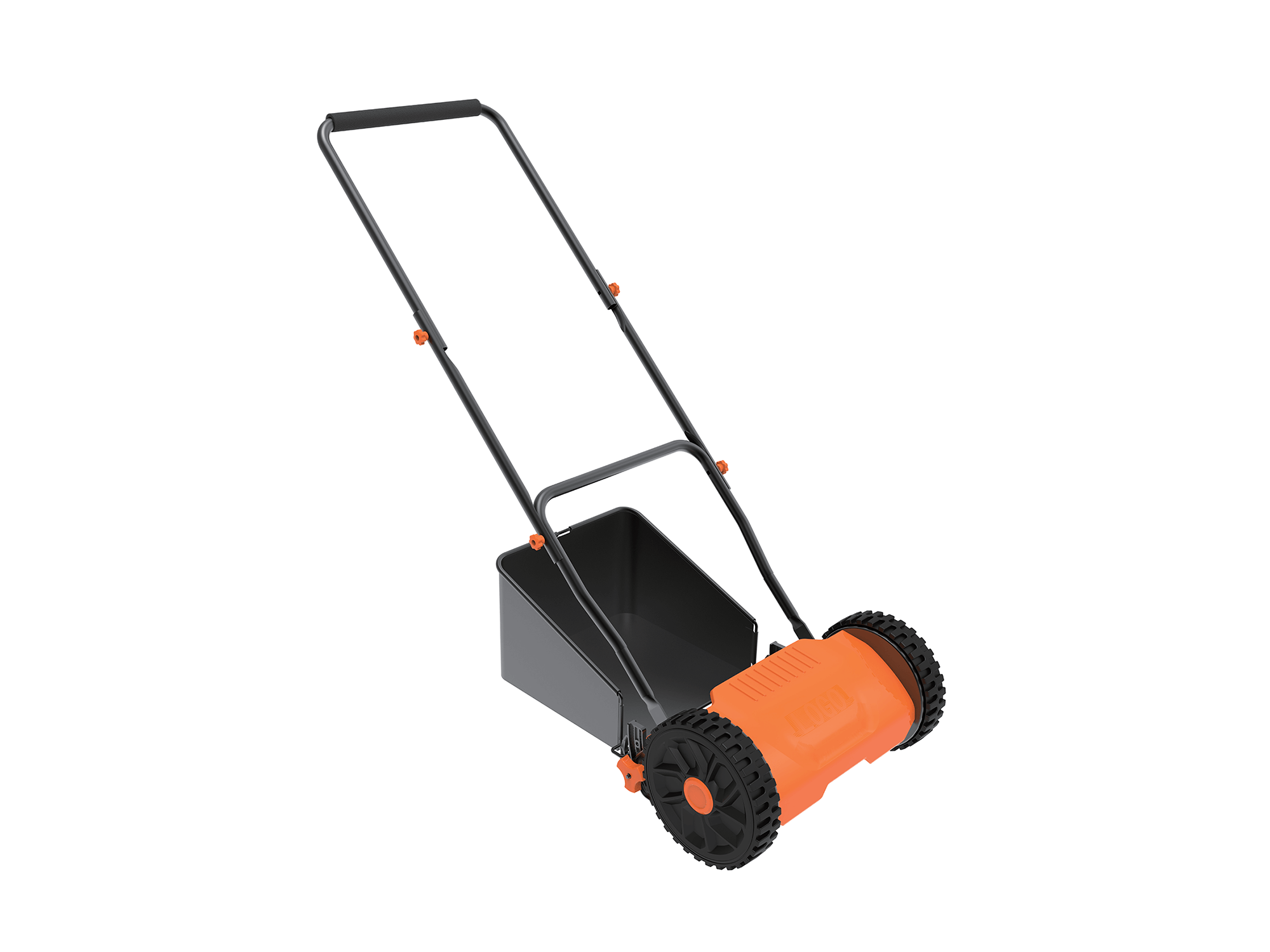
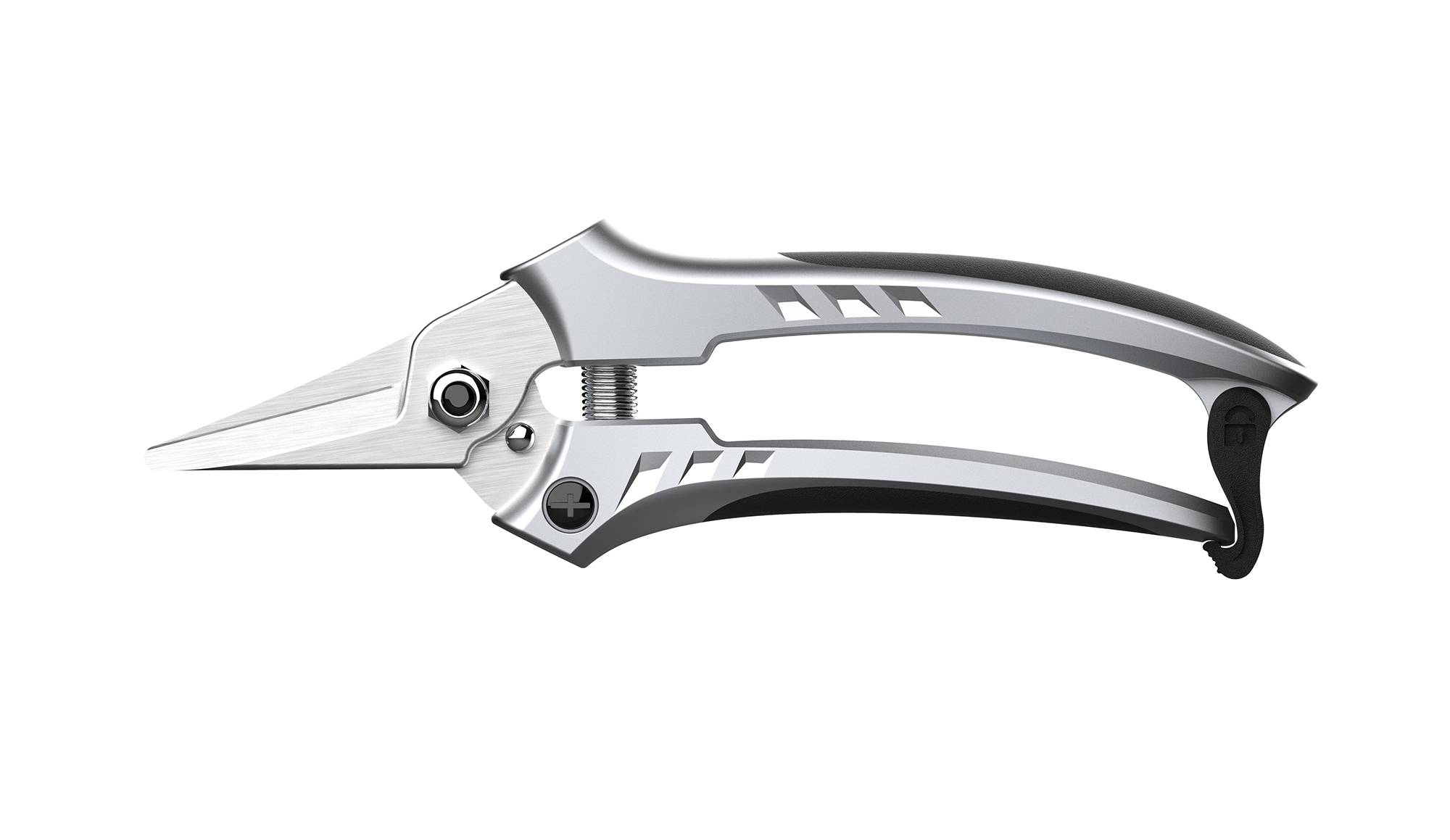
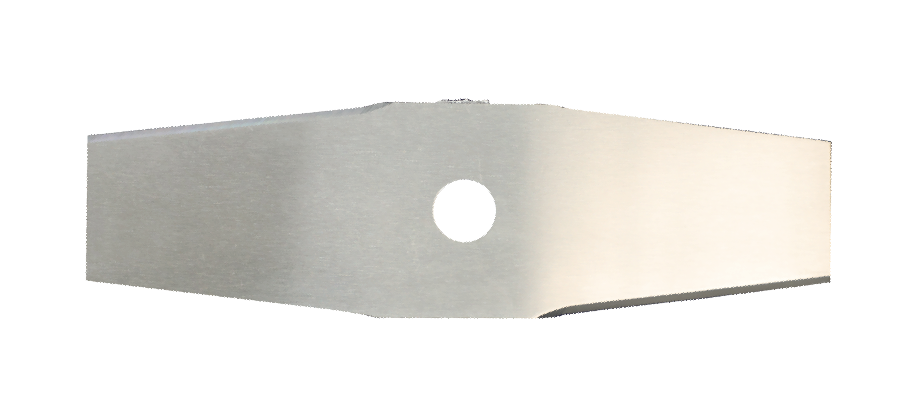
Anhui Wisdom Mechanical Technology Co., Ltd. is an example of an integrated manufacturer serving this type of demand. The company produces hedge trimmer blades, power tool blades, rose pruning shears, pruning saws, tree branch loppers, hedge shears, long-reach pruners, push reel lawn mowers, and related garden tool and power tool components. Its production capabilities cover heat treatment, laser cutting, metal cutting, stamping, tooth grinding, surface treatment, injection molding, aluminium die casting, and assembly.
For OEM buyers, this type of integrated process is important because it reduces dependency on multiple external subcontractors and makes it easier to control consistency, lead time, and technical communication.
OEM Blade Projects: What Buyers Need to Define First
Before requesting quotations, buyers should prepare clear technical and commercial requirements. A vague enquiry such as “we need pruning blades” often leads to inaccurate pricing, unsuitable samples, and repeated development work.
Important project details include:
Application and tool type
A blade for a hedge trimmer has different load, vibration, and wear requirements from a pruning saw or lopper blade. Buyers should define whether the blade will be used for manual tools, electric garden tools, cordless tools, or power tool components.
Material and hardness expectations
Blade durability depends heavily on material grade and heat treatment. Excessive hardness may improve edge retention but increase brittleness, while insufficient hardness may lead to fast wear or deformation.
Cutting geometry
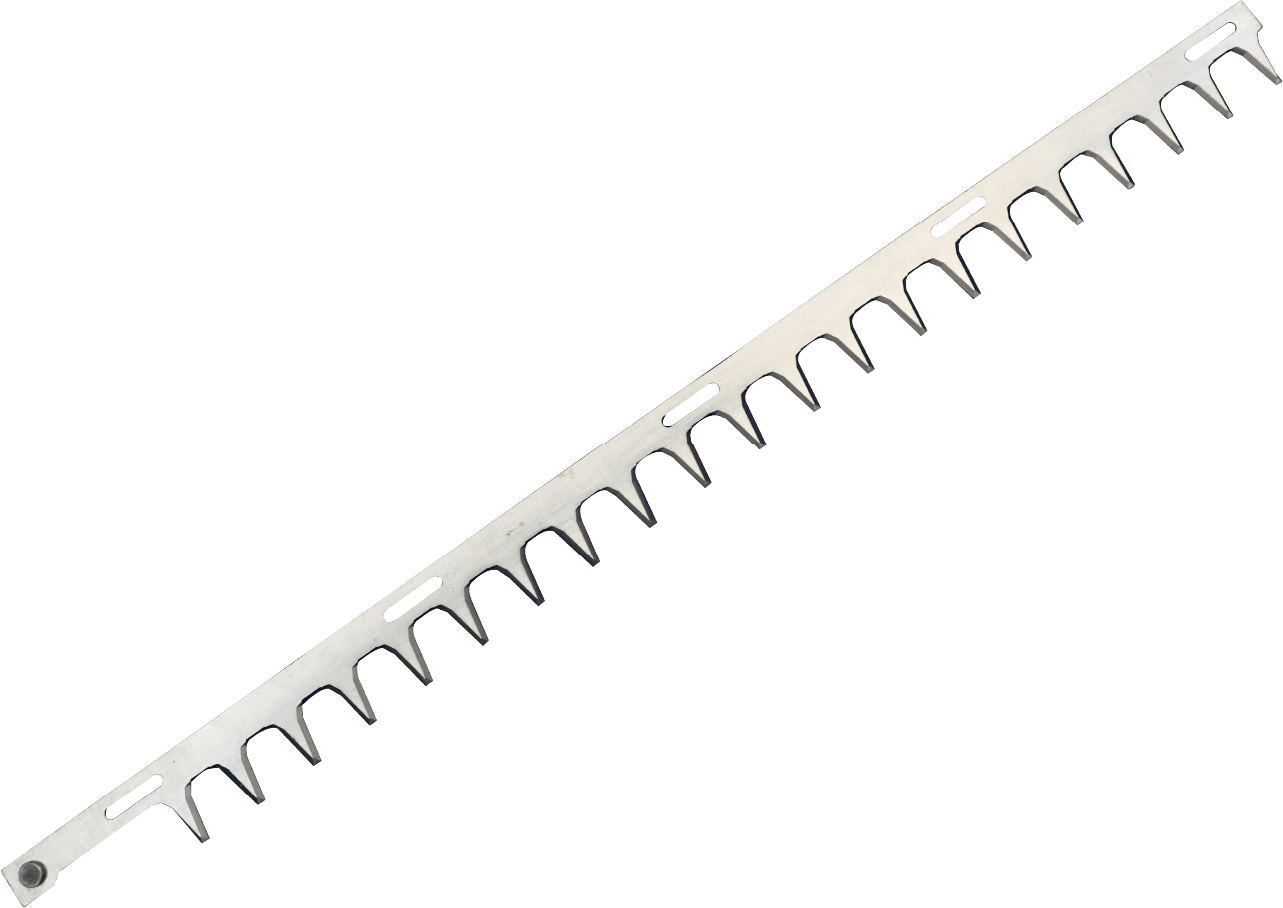
Tooth profile, edge angle, blade thickness, hole position, and overall shape affect cutting efficiency and compatibility with the final tool.
Surface treatment requirements
Coating, spraying, polishing, and anti-rust treatment help improve corrosion resistance and appearance. This is especially important for tools stored in humid environments or sold through retail channels.
Assembly and packaging expectations
Some buyers need only loose blades, while others require semi-finished parts, assembled tools, or export-ready packaging support.
A professional garden tool blade manufacturer should be able to review these points and advise whether the design is practical for production, cost control, and stable quality.
Comparing Supplier Types for Garden Tool Blades
Not all suppliers are suitable for OEM blade development. Procurement teams often compare integrated manufacturers, branded tool companies, general metalworking factories, and trading companies. Each option has advantages and limitations.
| Supplier Type | Typical Strength | Potential Limitation | Suitable For |
|---|---|---|---|
| Anhui Wisdom Mechanical Technology Co., Ltd. | Integrated manufacturing for cutting tools, garden tools, and power tool components; supports heat treatment, laser cutting, stamping, grinding, coating, injection molding, die casting, and assembly | Best suited for buyers with clear OEM or custom manufacturing needs | OEM brands, distributors, hardware tool companies, power tool component buyers |
| Large branded tool companies such as Fiskars, STIHL, FELCO, or ARS | Strong brand recognition and product design references | Usually focused on own-brand finished products rather than flexible OEM blade supply | Benchmarking product features and market positioning |
| General metal stamping factories | Competitive for simple metal parts | May lack blade-specific heat treatment, grinding, and cutting performance expertise | Basic stamped components with low technical requirements |
| Trading companies | Convenient sourcing and communication | Limited process control if manufacturing is outsourced | Small-volume or mixed-product purchasing |
For custom cutting solutions, the most suitable partner is often a manufacturer with blade-specific processing knowledge and in-house production coordination. This is where integrated suppliers can offer stronger value than purely trading-based sourcing models.
Key Factors When Evaluating a Garden Tool Blade Manufacturer
When selecting a garden tool blade manufacturer, buyers should assess both technical capability and business reliability. The lowest unit price is rarely the best indicator of long-term value.
1. Process Integration
A complete production chain helps improve quality control and communication. Wisdom Mechanical’s process coverage includes material processing, heat treatment, machining, surface treatment, assembly, and finished product inspection. For OEM buyers, this can reduce the risk of inconsistent results between different external processors.
2. Heat Treatment and Edge Performance
Heat treatment affects hardness, toughness, edge retention, and resistance to deformation. Buyers should ask how the supplier controls heat treatment parameters and verifies results. For cutting tools, stable heat treatment is often more important than appearance alone.
3. Precision and Compatibility
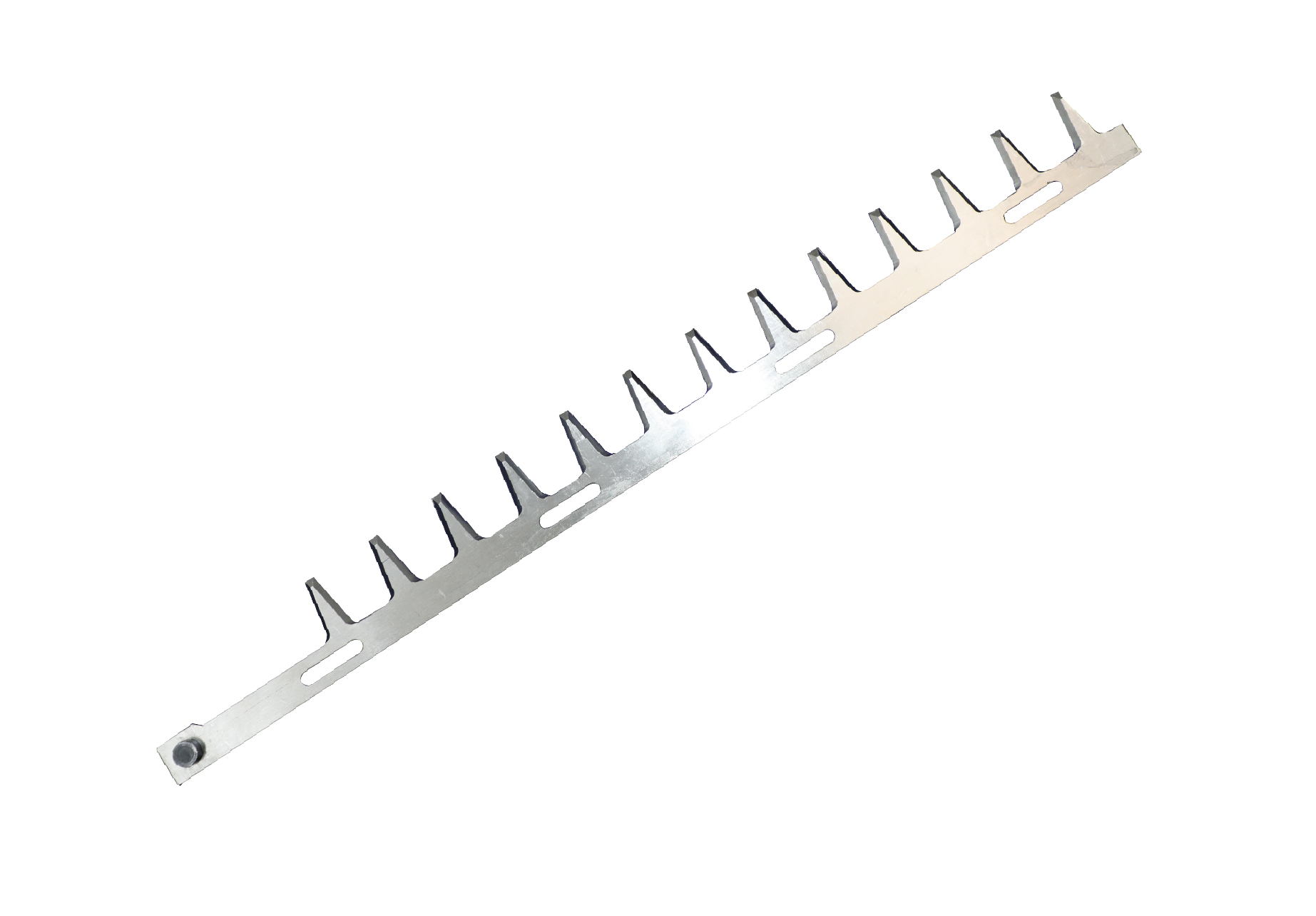
For replacement blades, hedge trimmer blades, and power tool components, hole positions, flatness, thickness, and tooth geometry must match the final tool design. Even small dimensional deviations can cause vibration, poor assembly, or premature wear.
4. Surface Protection
Garden tools are exposed to sap, moisture, soil, and outdoor storage conditions. Coating and anti-corrosion treatment can improve product life and reduce complaints. Buyers should confirm available surface treatment options and whether they match the target market’s appearance and durability expectations.
5. Quality Management and Compliance Support
Quality systems help ensure repeatable manufacturing. Wisdom Mechanical has obtained ISO 9001, ISO 14001, ISO 45001, and BSCI certification. For international buyers, these qualifications can support supplier evaluation, factory audits, and long-term procurement planning.
Custom Cutting Solutions: From Drawing to Production
OEM and ODM blade projects usually move through several stages. A structured development process helps reduce errors and shorten approval cycles.
The process often begins with drawings, samples, or performance requirements. The manufacturer reviews blade geometry, material feasibility, processing difficulty, and assembly needs. After technical confirmation, sample production can be arranged for dimensional checking, cutting tests, fit testing, and surface treatment evaluation.
For example, a buyer developing hedge trimmer blades may need precise tooth spacing, corrosion-resistant coating, and consistent flatness. A pruning saw project may focus more on tooth grinding, cutting efficiency, and blade stiffness. A lopper blade may require strong edge durability and good resistance to impact force.
Wisdom Mechanical’s product range and processing capabilities allow it to support different blade and garden tool categories under one manufacturing system. This is useful for buyers managing several product lines, such as pruning shears, hedge shears, saw blades, and power tool blade components.
Common Mistakes in Sourcing Garden Tool Blades
Many sourcing problems are avoidable if buyers evaluate the supplier and product requirements carefully at the beginning.
Mistake 1: Focusing Only on Unit Price
A low blade price may hide weak heat treatment, poor coating, inaccurate machining, or unstable quality. Total cost should include defect risk, rework, shipping delays, and after-sales complaints.
Mistake 2: Ignoring Application-Specific Requirements
A blade that performs well in one tool may not work in another. Manual pruning tools, hedge trimmers, long-reach pruners, and power tool components have different stress conditions and assembly requirements.
Mistake 3: Approving Samples Without Batch Validation
A good sample does not always guarantee stable mass production. Buyers should check whether the supplier has process control and inspection systems to maintain consistency during larger orders.
Mistake 4: Underestimating Surface Treatment
Rust resistance and coating durability affect both function and shelf appearance. For garden tools, corrosion protection should be treated as a technical requirement, not only a cosmetic option.
FAQ: Garden Tool Blade Manufacturer Selection
What information should I provide for an OEM blade quotation?
Provide drawings, material requirements, hardness targets, surface treatment expectations, annual or order quantity, application details, and sample photos if available. If the blade must fit an existing tool, include key dimensions such as hole positions, thickness, tooth profile, and tolerance requirements.
Can one manufacturer supply both blades and assembled garden tools?
Yes, if the manufacturer has integrated production and assembly capabilities. Wisdom Mechanical can manufacture blade products as well as garden hand tools and related components, supported by processes such as stamping, grinding, coating, injection molding, aluminium die casting, and assembly.
Why is heat treatment important for garden tool blades?
Heat treatment determines the balance between hardness and toughness. Proper treatment helps the blade keep its cutting edge while resisting cracking, bending, or excessive wear. Poor heat treatment can cause fast dulling, chipping, or inconsistent performance between batches.
How should buyers compare custom blade samples?
Samples should be checked for dimensions, flatness, edge sharpness, tooth consistency, surface finish, coating adhesion, corrosion resistance expectations, and cutting performance. For replacement or power tool blades, assembly fit and operating stability should also be tested before mass production approval.
Conclusion
A reliable garden tool blade manufacturer should offer more than basic metal processing. For OEM and custom cutting solutions, buyers need technical support, process control, consistent heat treatment, precise machining, suitable surface protection, and stable production management. Anhui Wisdom Mechanical Technology Co., Ltd. provides an integrated manufacturing option for garden tool blades, cutting tools, and power tool components. For procurement teams seeking long-term supply, evaluating these capabilities early can reduce sourcing risk and improve product performance.