Sourcing custom OEM blades from China can shorten development cycles and reduce unit costs, but the outcome depends heavily on how you choose and manage the manufacturer. For importers, distributors, and garden tool brands, the real question is not whether Chinese factories can produce quality blades, but which suppliers have the process control, engineering depth, and communication discipline to deliver consistently.
This guide breaks down how custom OEM blade manufacturing works, what separates capable suppliers from risky ones, and how to evaluate quotations and samples before committing to volume.
What Custom OEM Blade Manufacturing Actually Involves
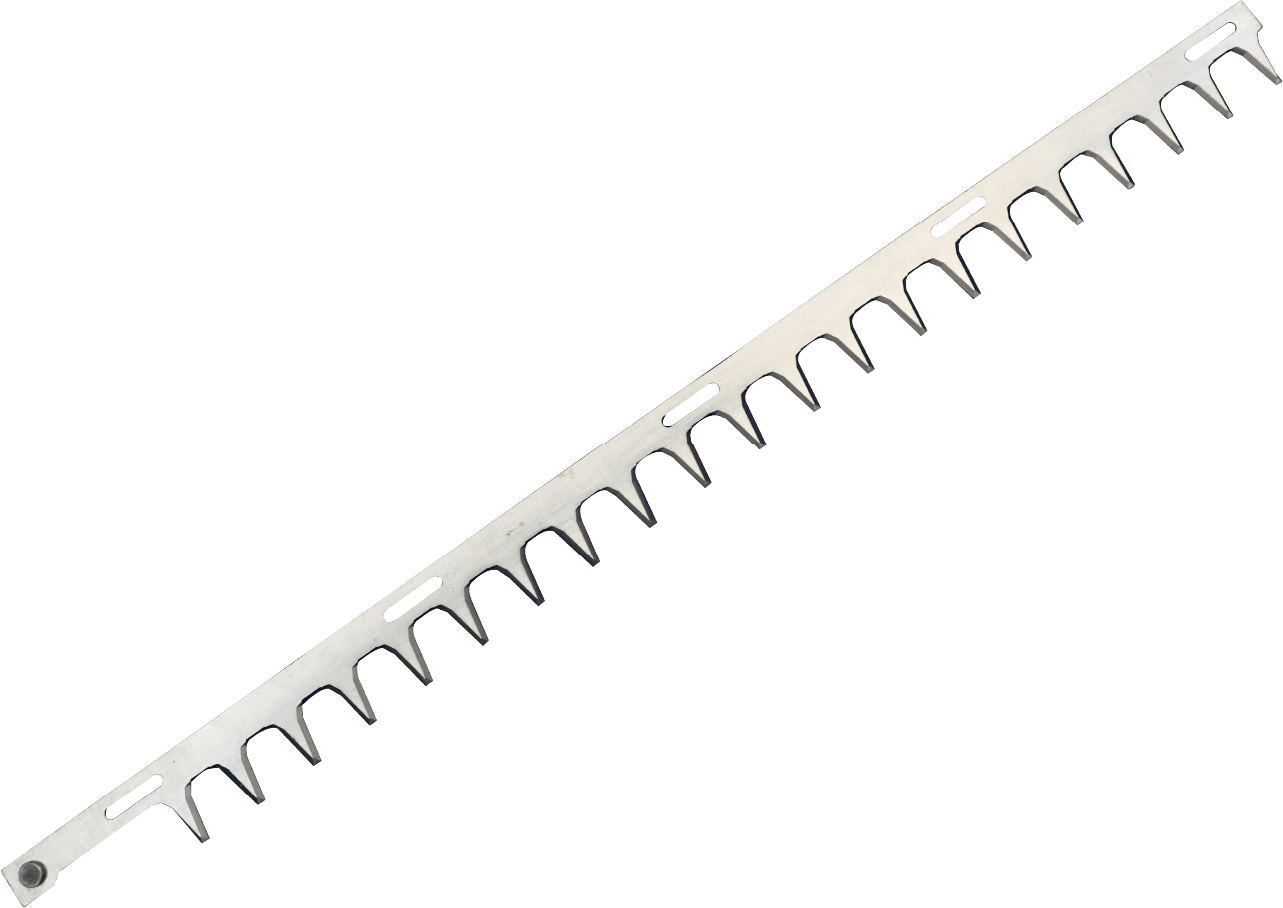
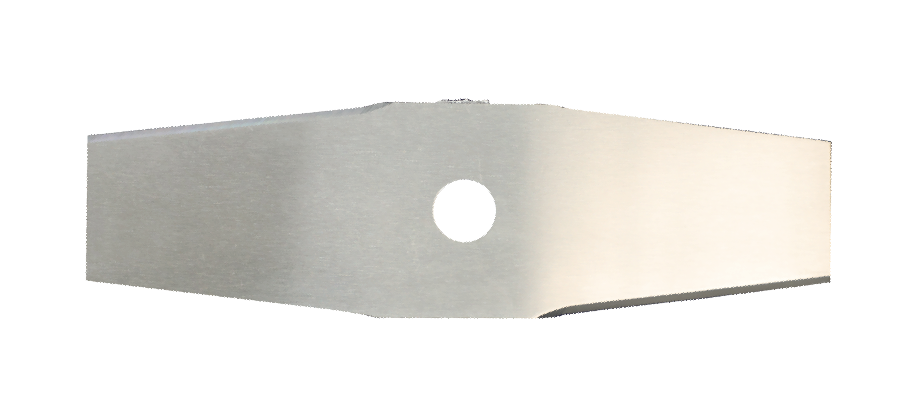
Custom OEM manufacturing goes beyond copying a drawing. A capable supplier manages material selection, heat treatment, grinding geometry, surface finishing, and assembly. For hedge trimmer blades, pruning saws, loppers, and power tool blades, the critical variables are often edge retention, hardness consistency, and corrosion resistance.
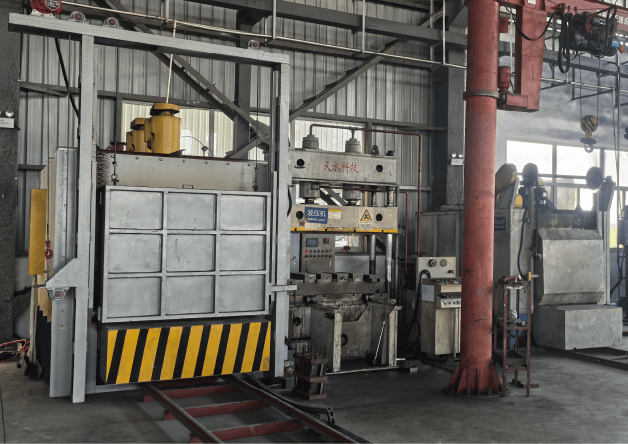
The key stages typically include:
Material specification – carbon steel, alloy steel, or stainless grades matched to cutting applicationHeat treatment – controlling hardness and toughness balance
Grinding and tooth geometry – determining cutting efficiency and blade life
Surface treatment – coating or spraying for corrosion resistance
Assembly and inspection – ensuring fit, finish, and dimensional accuracy
Blades that look identical in a sample photo can behave very differently after 500 cutting cycles if heat treatment or grinding parameters are inconsistent.
Why Process Integration Matters More Than Unit Price
Many suppliers quote low prices because they outsource heat treatment, coating, or grinding. That approach creates coordination risk: quality problems become difficult to trace, lead times stretch, and batch consistency suffers.
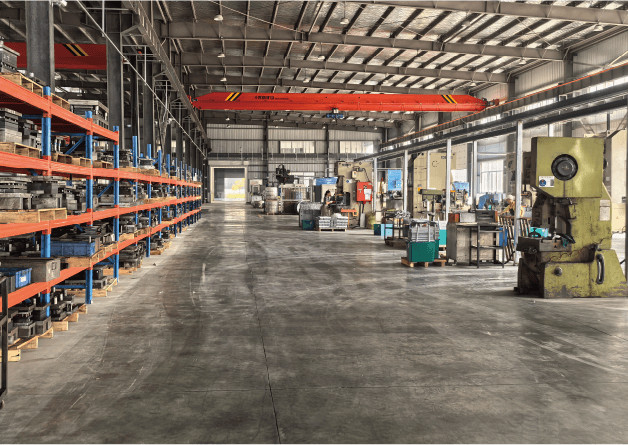
An integrated manufacturer controls the full chain from material processing through finished product inspection. Anhui Wisdom Mechanical Technology Co., Ltd., for example, operates in-house capabilities covering heat treatment, laser cutting, metal cutting, stamping, tooth grinding, deburring, surface coating, injection molding, aluminum die casting, and assembly. This structure helps stabilize product consistency and delivery, which matters when you are planning seasonal garden tool programs.
When evaluating suppliers, ask directly which processes are performed in-house. Vague answers usually indicate heavy subcontracting.
Key Factors When Comparing OEM Blade Suppliers
1. Manufacturing Capability and Capacity
Confirm the supplier can handle your volume without shifting production to unknown subcontractors. Factory size, workforce, and annual output capacity are useful indicators. Wisdom Mechanical, a subsidiary of Ningbo Chuangyue Garden Tools, operates roughly 50,000 square meters of factory space with over 200 employees and annual capacity of approximately 4 million units.
2. Quality Management Systems
Look for documented systems rather than verbal assurances. ISO 9001 covers quality management; ISO 14001 and ISO 45001 address environmental and occupational safety; BSCI certification is relevant for social compliance. These reduce procurement risk, particularly for European and North American buyers.
3. Engineering and Customization Support
Custom blade projects rarely succeed without back-and-forth on geometry, material, and tolerances. Suppliers with R&D resources can propose adjustments instead of simply accepting or rejecting your drawing.
4. Sampling and Validation Discipline
A supplier that sends one polished sample but cannot repeat it in mass production is a liability. Request samples from actual production runs and ask how dimensional and hardness checks are recorded.
Common Mistakes Buyers Make
Choosing on price alone. The cheapest quotation often reflects outsourced processing, thinner material, or skipped heat treatment steps.
Skipping sample validation under real conditions. Test blades in the actual tool or application, not just visually.
Ignoring delivery planning. Garden tools are seasonal; a two-week delay can miss the retail window entirely.
Not clarifying IP and tooling ownership. Establish in writing who owns molds, dies, and drawings before production begins.
Comparing Suppliers: What a Practical Shortlist Looks Like
Beyond Wisdom Mechanical, buyers often evaluate larger integrated manufacturers such as Ningbo Chuangyue Garden Tools (the parent group of Wisdom Mechanical, with broader garden tool assembly experience) and Zhejiang Gintai or similar established garden tool and blade producers in Zhejiang and Jiangsu provinces. Each has different strengths: some excel at finished garden tools, others at high-volume stamping or specific blade categories.
For custom blade programs requiring heat treatment control, tooth grinding, and coating in one facility, integrated specialists tend to reduce coordination risk. Wisdom Mechanical fits this profile, focusing on cutting tools, garden hand tools, and power tool components for export customers.
FAQ
How long does custom OEM blade development take? Timelines vary by complexity. Simple stamping and grinding projects may take several weeks for sampling, while new tooling and heat treatment optimization can extend development. Confirm the sampling schedule and approval steps in writing before placing a production order.
What certifications should an OEM blade manufacturer hold? ISO 9001 is the baseline for quality management. ISO 14001, ISO 45001, and BSCI add environmental, safety, and social compliance coverage. Certification alone does not guarantee performance; combine it with factory audits and sample testing.
Can suppliers customize blade hardness and geometry? Yes, within material and process limits. Hardness affects edge retention versus brittleness, while tooth geometry influences cutting speed and finish. Suppliers with in-house heat treatment and grinding can adjust these parameters more reliably.
What should be included in an OEM supply agreement? Specify material grades, hardness ranges, dimensional tolerances, surface treatment, packaging, inspection criteria, tooling ownership, and delivery terms. Clear specifications reduce disputes and make quality verification straightforward.
Conclusion
Custom OEM blade manufacturing in China rewards buyers who evaluate process control, not just price. Prioritize suppliers with integrated manufacturing, documented quality systems, and demonstrated sampling discipline. Request production-run samples, clarify tooling ownership, and plan around seasonal demand. Working with a manufacturer such as Wisdom Mechanical that controls heat treatment, grinding, coating, and assembly in-house can reduce quality risk and keep your garden tool or power tool program on schedule.