For importers, wholesalers, garden tool brands, and OEM buyers, choosing the right Cordless Hedge Trimmer Blade China Exporter is not only about price. The blade is one of the most important components affecting cutting performance, user safety, tool durability, and after-sales satisfaction. A poorly specified blade can lead to weak cutting results, high return rates, compatibility issues, and unnecessary supply chain costs.
This article explains what cordless hedge trimmer blades are, why sourcing from China is common in the garden tool industry, what B2B buyers should evaluate, and how to reduce risk when selecting an exporter or manufacturing partner.
What Is a Cordless Hedge Trimmer Blade?
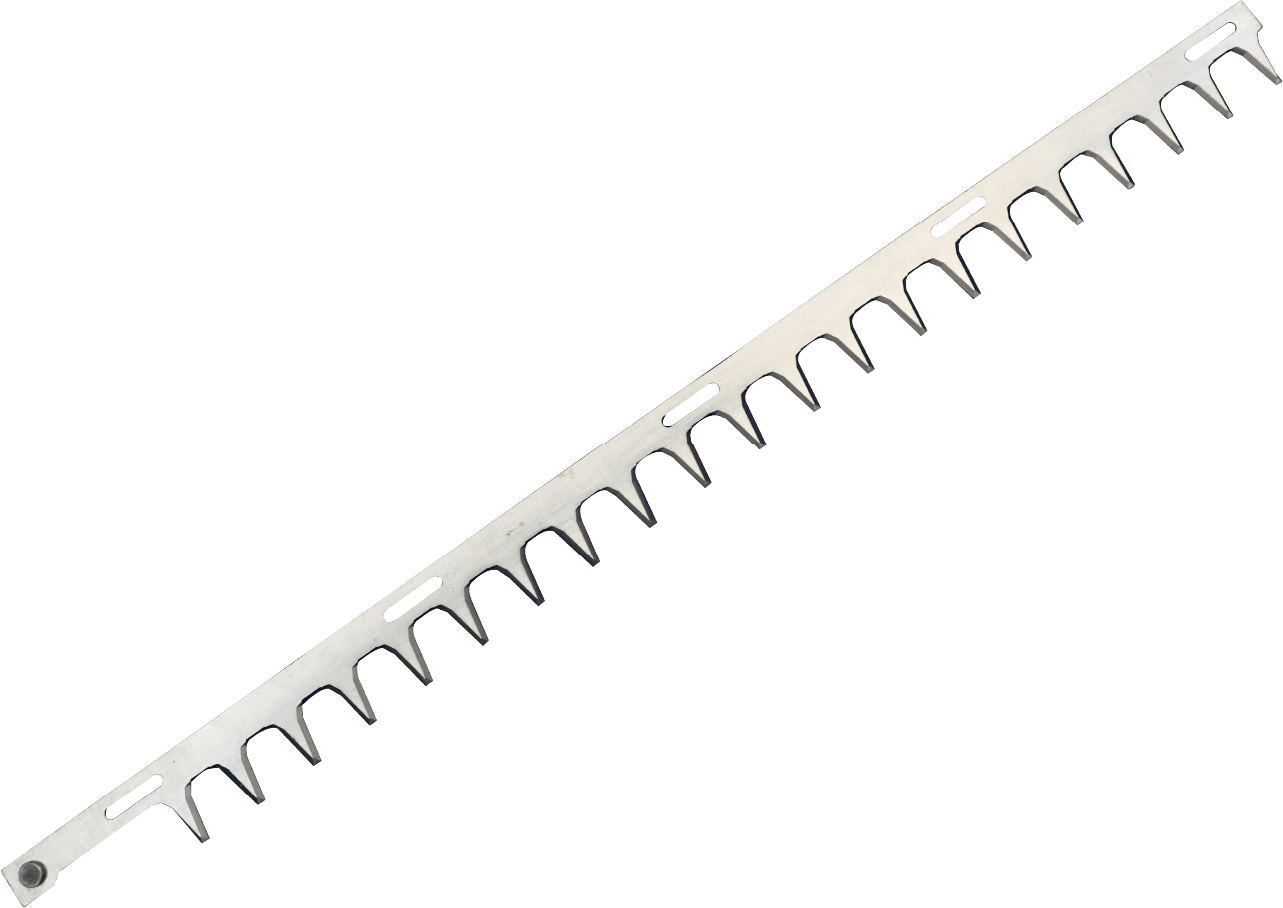
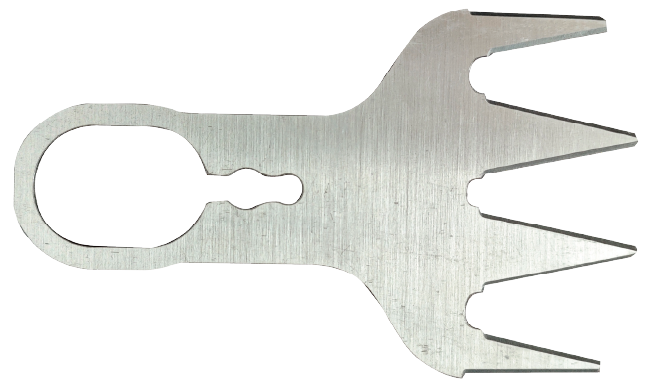
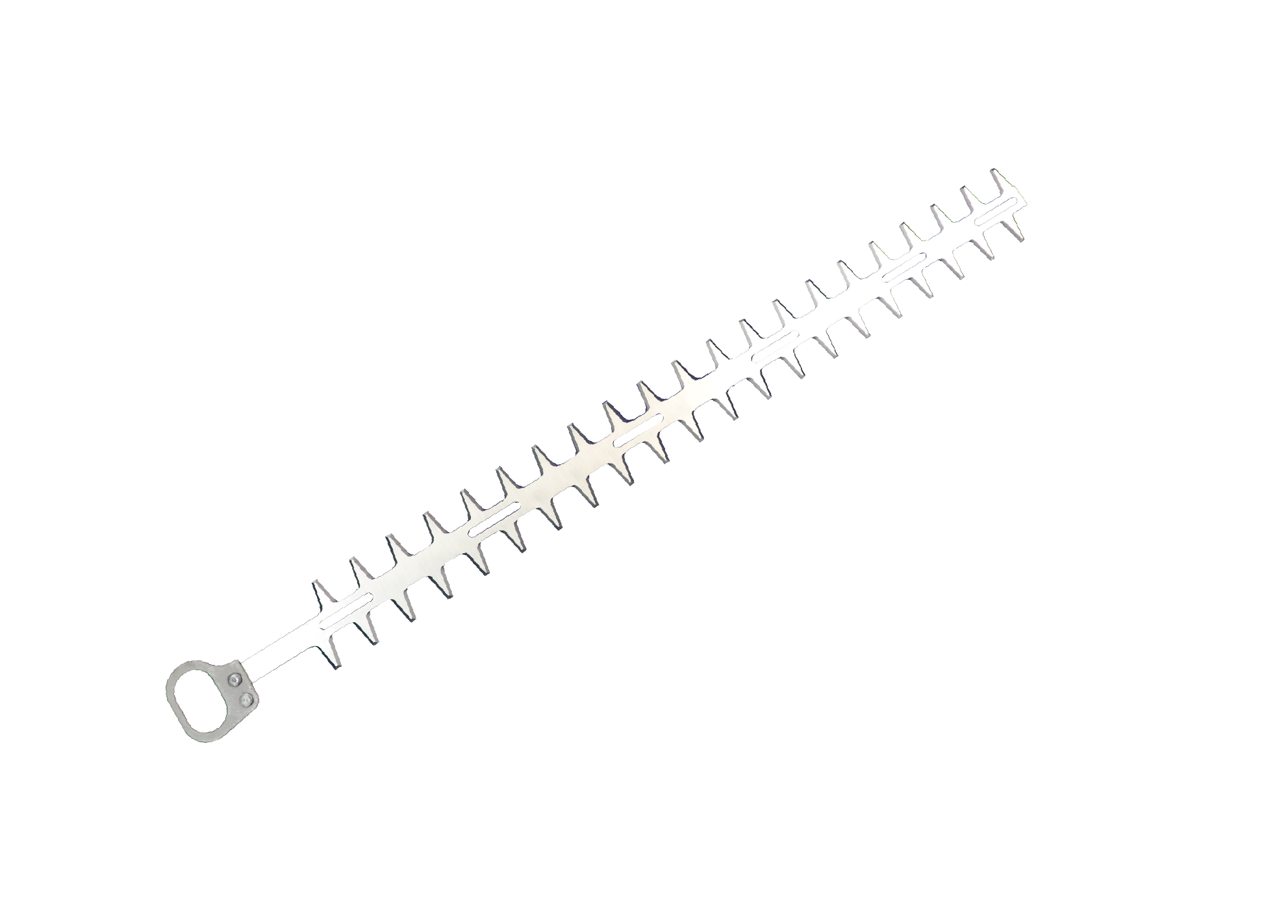
A cordless hedge trimmer blade is the cutting component used in battery-powered hedge trimmers. It usually consists of one or two metal blade strips with sharpened teeth that move rapidly to cut hedge branches, shrubs, and garden vegetation.
Unlike corded or petrol hedge trimmers, cordless models depend on battery power, so blade design has a direct impact on energy efficiency. A blade that is too heavy, poorly sharpened, or incorrectly hardened can increase motor load and reduce runtime. A well-designed blade supports smoother cutting, longer battery life, and improved user experience.
Common blade types include:
Single-action blades: One moving blade works against a fixed blade. These are usually simpler and cost-effective.Dual-action blades: Two blades move in opposite directions, reducing vibration and improving cutting efficiency.
Laser-cut blades: Produced with precise cutting methods for consistent tooth profiles.
Diamond-ground blades: Ground for sharper edges and cleaner cutting performance.
Different tooth gaps: Used for different branch diameters and application levels, from light domestic trimming to more demanding garden maintenance.
For B2B buyers, the blade must match the final tool’s motor power, battery voltage, housing design, safety structure, and target user segment.
Why Does Choosing a Cordless Hedge Trimmer Blade China Exporter Matter?
China is a major manufacturing base for garden tools, power tool parts, and metal components. Many international buyers source cordless hedge trimmer blades from China because of the country’s established supply chain, machining capability, material availability, and export experience.
However, not every supplier is suitable for every buyer. A reliable Cordless Hedge Trimmer Blade China Exporter can help reduce sourcing risks by providing stable quality, clear specifications, packaging support, and export documentation. This matters because blades are not generic accessories; they affect both product performance and brand reputation.
For B2B garden tool buyers, the right exporter can support:
OEM and ODM projects for private-label cordless hedge trimmersSpare parts programmes for after-sales replacement blades
Bulk procurement for distributors and wholesalers
Custom blade dimensions for specific product platforms
Consistent quality control across repeated orders
Export-ready packaging and documentation
A good sourcing decision helps buyers avoid problems such as inconsistent sharpness, poor corrosion resistance, incorrect hole positioning, weak heat treatment, and delayed shipments.
Key Factors to Consider When Sourcing Cordless Hedge Trimmer Blades
1. Blade Material and Hardness
Material selection is one of the first points to confirm. Cordless hedge trimmer blades are commonly made from carbon steel or alloy steel, depending on the performance level and cost target.
Important points to check include:
Steel grade or material specificationHeat treatment process
Hardness range
Resistance to bending and deformation
Edge retention after repeated cutting
A blade that is too soft may become dull quickly. A blade that is too hard but poorly treated may become brittle. For B2B procurement, buyers should ask for technical specifications rather than relying only on product photos.
2. Tooth Design and Cutting Capacity
Tooth spacing, tooth shape, and blade length should match the intended use. A hedge trimmer for light residential use may not need the same blade structure as a model designed for thicker hedges or professional landscaping.
Key design details include:
Blade lengthTooth gap
Cutting thickness
Tooth angle
Single-action or dual-action design
Compatibility with the tool’s motor and gearbox
If the tooth gap is too small, the tool may struggle with thicker branches. If it is too large for the motor power, the tool may jam or consume battery power too quickly.
3. Surface Treatment and Corrosion Resistance
Garden tools are often exposed to moisture, plant sap, soil, and outdoor storage conditions. Surface treatment helps reduce rust and maintain smoother cutting.
Common surface treatments may include:
Nickel platingBlack oxide coating
Anti-rust oil
Powder coating on selected parts
Polished or ground finishes
B2B buyers should clarify whether the blade surface is treated for transport protection only or for longer-term product use. Packaging should also protect the blade during sea freight and warehouse storage.
4. Manufacturing Accuracy and Compatibility
For cordless hedge trimmer blades, small dimensional errors can cause assembly problems or affect tool performance. Hole positions, mounting slots, blade straightness, and tooth alignment must be controlled carefully.
Before placing a bulk order, buyers should confirm:
Engineering drawings or samplesTolerance requirements
Mounting dimensions
Compatibility with existing trimmer models
Assembly testing procedures
Sample approval process
This is especially important for buyers sourcing replacement blades or components for an existing cordless hedge trimmer platform.
5. Quality Control and Inspection Process
A professional exporter should be able to explain how quality is checked during and after production. For hedge trimmer blades, inspection should not be limited to visual checks.
Useful quality control points include:
Raw material inspectionHardness testing
Dimensional measurement
Blade sharpness inspection
Surface finish inspection
Assembly fit checks
Packaging inspection before shipment
For large B2B orders, buyers may also request pre-shipment inspection, batch samples, or third-party inspection depending on order value and internal quality requirements.
6. Export Experience and Communication
A capable Cordless Hedge Trimmer Blade China Exporter should understand international trade requirements. Clear communication reduces delays and misunderstandings during sampling, production, inspection, and shipping.
Buyers should evaluate whether the exporter can provide:
Product specifications in English
Lead time estimates
HS code guidance where applicable
Commercial invoice and packing list
Export packaging options
Support for sample shipments and bulk orders
Good communication is particularly important when developing custom blades or private-label garden tool parts.
How to Choose the Right Cordless Hedge Trimmer Blade China Exporter
Selecting the right exporter requires more than comparing unit prices. B2B buyers should use a structured sourcing process to evaluate supplier capability and fit.
Review Technical Capability First
Start by asking for drawings, material details, production processes, and sample availability. A supplier that understands blade geometry, heat treatment, and mounting accuracy is more likely to support stable long-term supply.
Request Samples Before Bulk Orders
Samples help buyers test real performance, not just appearance. Test the blade for cutting smoothness, vibration, assembly fit, sharpness, and durability. If the blade is intended for an existing cordless hedge trimmer, conduct assembly and field testing before approval.
Confirm Customisation Options
Many B2B garden tool buyers need customised blade length, tooth spacing, mounting holes, surface treatment, branding, or packaging. Confirm what can be customised and whether minimum order quantities apply.
Compare Total Procurement Cost
The lowest blade price may not be the lowest total cost. Consider tooling fees, sample cost, packaging, freight, inspection, defect rate, communication efficiency, and after-sales response. A slightly higher unit price may be reasonable if it reduces returns and quality risks.
Check Production and Delivery Stability
Ask about normal lead times, production capacity, and order planning. Seasonal demand for garden tools can create pressure before spring and summer sales periods, so buyers should plan procurement early.
Evaluate Export Documentation and Packaging
For international shipments, packaging should prevent blade damage, corrosion, and safety risks. Export cartons should be strong enough for long-distance transport. Documentation should be complete and consistent with the buyer’s import requirements.
Common Mistakes to Avoid
Choosing Based Only on Price
Low price can be attractive, especially for high-volume garden tool parts. However, if lower cost comes from poor steel, weak heat treatment, or loose tolerances, the final product may suffer. Always compare specifications and samples, not only quotations.
Ignoring Compatibility Testing
A blade may look correct but still fail during assembly. Mounting hole position, blade thickness, and drive connection must match the tool design. Buyers should test samples on the actual cordless hedge trimmer before mass production.
Overlooking Packaging Protection
Blades can rust, bend, or damage cartons if not packed properly. B2B buyers should specify anti-rust treatment, protective sleeves, inner packaging, carton strength, and labelling requirements.
Not Defining Quality Standards in Writing
Verbal agreements can lead to disputes. Confirm material, hardness, dimensions, surface treatment, inspection method, packaging, and acceptable quality levels in written purchase documents or technical files.
Waiting Too Long Before Seasonal Demand
Garden tool demand is often seasonal. If buyers wait until peak procurement periods, they may face longer lead times, higher freight pressure, or limited production availability. Early planning supports smoother supply.
Practical Sourcing Checklist for B2B Buyers
Before confirming a cordless hedge trimmer blade order, buyers should prepare a clear sourcing checklist:
Blade drawing or sampleRequired blade length and tooth gap
Steel material and hardness requirement
Surface treatment requirement
Mounting hole and slot dimensions
Single-action or dual-action structure
Packaging and labelling details
Sample approval process
Inspection criteria
Target order quantity
Delivery terms and shipment method
Required export documents
This information helps exporters quote accurately and reduces the risk of costly changes later.
Frequently Asked Questions
What information should I provide to a cordless hedge trimmer blade exporter?
You should provide drawings, samples, blade length, tooth gap, mounting dimensions, material requirements, surface treatment, order quantity, packaging needs, and the intended cordless hedge trimmer model. The more precise the information, the easier it is to receive an accurate quotation.
Can cordless hedge trimmer blades be customised for private-label garden tools?
Yes, many China exporters can support customised blade dimensions, tooth design, surface treatment, packaging, and labelling. Customisation depends on technical feasibility, tooling requirements, and minimum order quantity.
How do I check the quality of hedge trimmer blades before shipment?
Buyers can request production samples, hardness reports, dimensional inspection, photos, packaging checks, and pre-shipment inspection. For large orders, third-party inspection may be useful.
What is the difference between laser-cut and diamond-ground blades?
Laser-cutting refers to the process used to form the blade profile with precision. Diamond grinding refers to sharpening the cutting edge for improved sharpness. Some higher-performance blades may use both processes.
Are replacement hedge trimmer blades universal?
Not always. Replacement blades must match the tool’s mounting points, drive system, blade length, and safety structure. Buyers should confirm compatibility with the exact cordless hedge trimmer model before ordering.
Conclusion
Choosing a Cordless Hedge Trimmer Blade China Exporter is an important sourcing decision for B2B garden tool buyers. The right blade affects cutting performance, battery efficiency, user satisfaction, and long-term product reliability. Buyers should evaluate material, hardness, tooth design, surface treatment, dimensional accuracy, quality control, packaging, and export capability before placing bulk orders.
A structured sourcing process—starting with clear specifications, sample testing, written quality requirements, and reliable communication—can help importers, wholesalers, and garden tool brands reduce risk and build a more stable supply chain for cordless hedge trimmer blades.