Tea plantations require harvesting tools that maintain sharpness and structural integrity through repeated use in humid, abrasive conditions. Tea picker blades must deliver clean cuts without damaging plants while resisting corrosion and wear. Selecting the right supplier involves evaluating manufacturing consistency, material performance, and production scalability rather than focusing solely on price.
Key Factors When Evaluating Tea Picker Blade Suppliers
Buyers typically assess several technical criteria. First, material selection determines edge retention and corrosion resistance. Second, heat treatment processes affect hardness and toughness balance. Third, precision grinding ensures uniform tooth geometry across large batches. Fourth, surface treatments such as coatings improve longevity in field conditions. Suppliers that control these steps internally reduce variation between production runs.
Plantation operators also consider delivery reliability for seasonal harvesting peaks. A manufacturer with end-to-end process control can adjust schedules without relying on external subcontractors, lowering the risk of delays.
Manufacturing Processes That Support Blade Durability
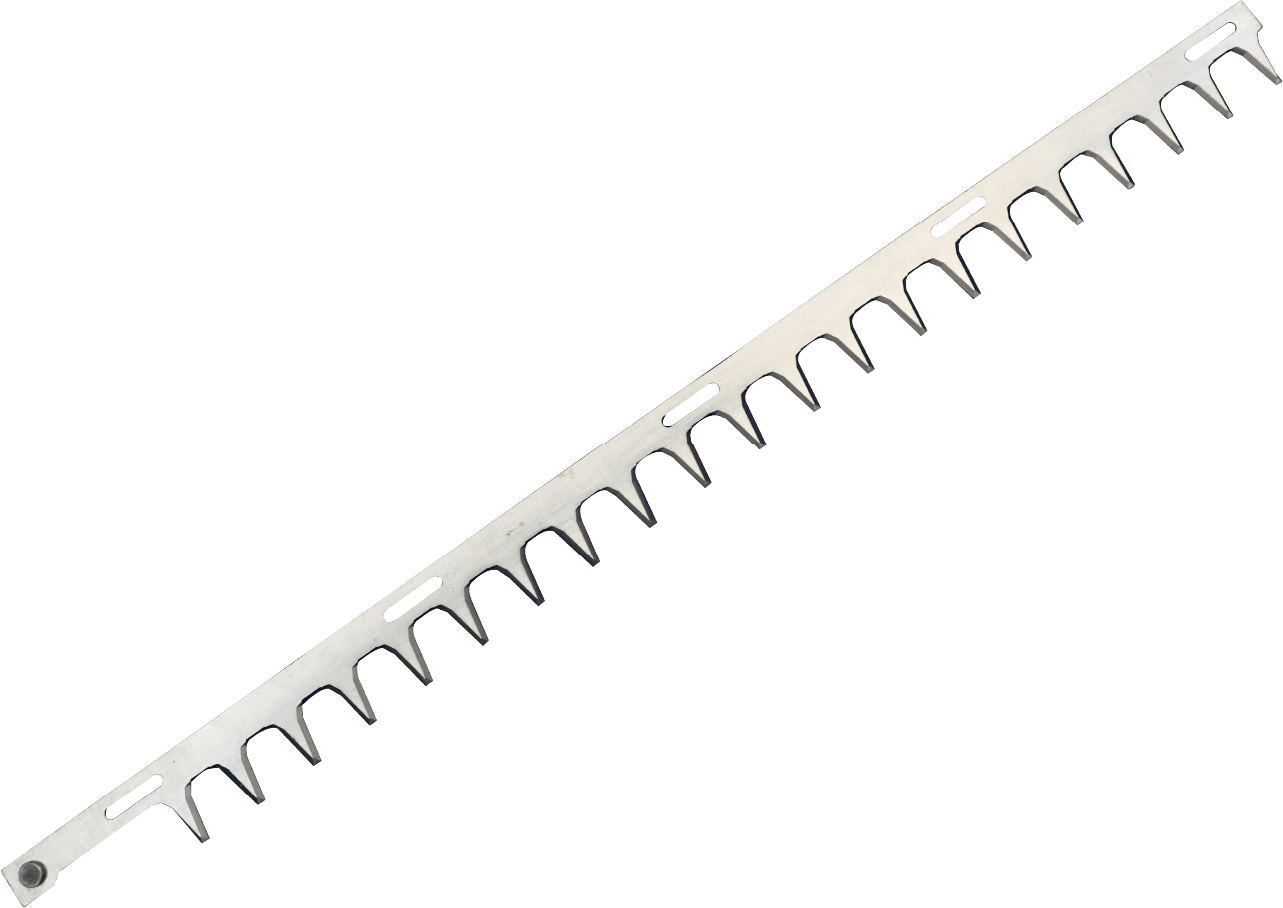
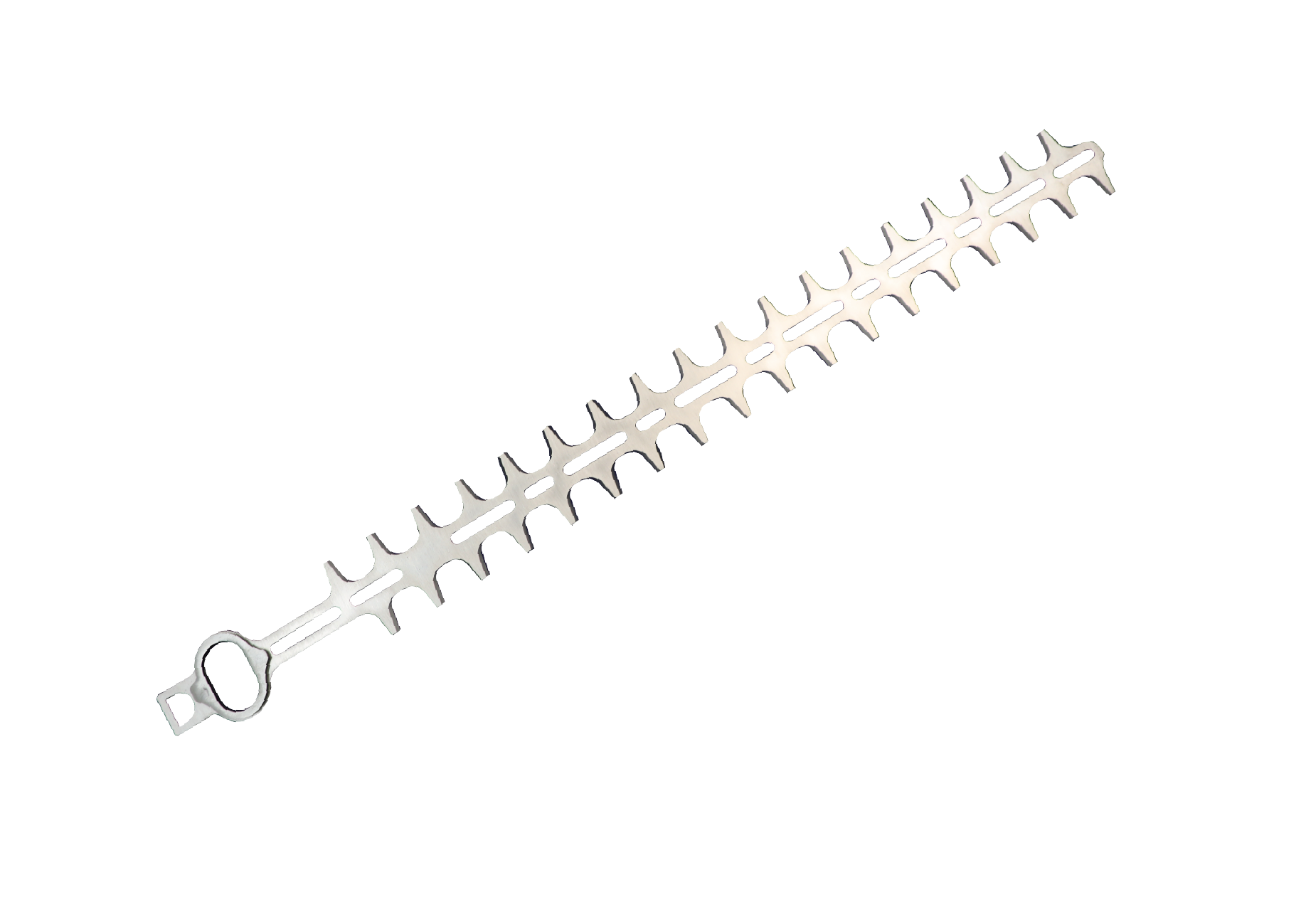
Durable tea picker blades start with appropriate steel grades selected for edge stability. Laser cutting produces accurate blank shapes, while controlled heat treatment achieves the required hardness without brittleness. Tooth grinding follows to create consistent cutting angles that reduce plant tearing.
Additional steps such as deburring, cleaning, and protective coatings prevent premature rusting. Injection molding or aluminum die casting may be used for handle components or guards when assemblies are required. An integrated production chain allows each stage to be monitored for dimensional accuracy and surface quality.
Quality Management Throughout Production
Consistent quality requires inspection at multiple points rather than only at final assembly. Dimensional checks after machining, hardness verification after heat treatment, and coating thickness measurements help maintain standards. International buyers often request evidence of documented procedures and traceability.
Certifications such as ISO 9001, ISO 14001, and ISO 45001 indicate that a supplier maintains systematic controls over quality, environmental impact, and worker safety. These systems support repeatable output suitable for export markets.
Customization Capabilities for Different Plantation Conditions
Tea varieties and regional climates create varying requirements for blade length, tooth pitch, and handle ergonomics. Some operations need longer reach tools, while others prioritize lightweight handheld models. Suppliers with in-house engineering resources can modify designs and produce samples for field testing before scaling.
Anhui Wisdom Mechanical Technology Co.,Ltd. supports such adjustments through its combined R&D and manufacturing resources inherited from its parent company. This enables modifications to blade geometry or surface treatments without extending lead times significantly.
Assessing Integrated Manufacturing Capabilities
Manufacturers that perform heat treatment, laser cutting, stamping, grinding, and assembly under one roof provide better process coordination. This reduces handling damage and shortens production cycles. For buyers sourcing components for power tool integration or complete garden tool lines, single-source supply simplifies quality oversight.
Wisdom Mechanical operates approximately 50,000 square meters of factory space with more than 200 employees and an annual capacity of around four million units. Its complete process chain covers material processing through finished product inspection, supporting stable supply for international customers.
Supply Chain Considerations for Plantation Buyers
Procurement teams evaluate not only product specifications but also packaging, export documentation, and after-sales support. Proper packaging prevents edge damage during transit, while clear labeling aids inventory management at destination warehouses. Suppliers experienced in serving multiple export markets understand documentation requirements for different regions.
FAQ
What steel properties matter most for tea picker blades?
Edge retention, toughness to resist chipping, and corrosion resistance in humid environments are primary. Heat treatment parameters directly influence these characteristics.
How does integrated manufacturing affect delivery times?
Performing all major processes internally reduces coordination delays between external vendors and allows faster response to schedule changes.
Can blade designs be adapted for specific tea varieties?
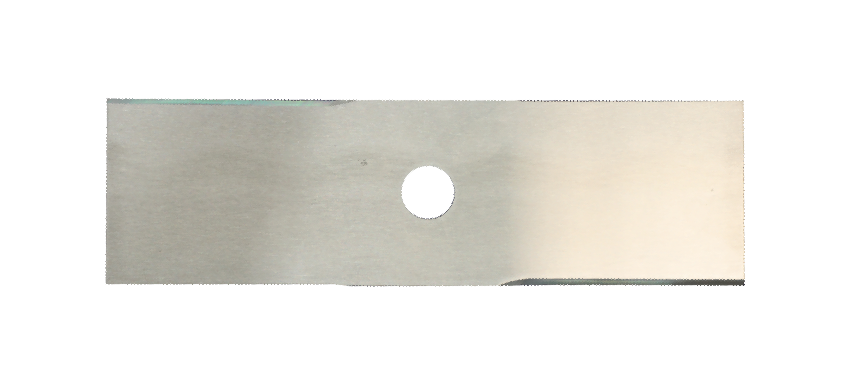
Yes. Tooth geometry, blade length, and coating types can be adjusted based on plant characteristics and harvesting methods.
What documentation should buyers request from suppliers?
Material certificates, process control records, and relevant management system certifications help verify consistency and compliance.
Reliable tea picker blade supply depends on manufacturers that combine material expertise with disciplined process control. Companies such as Anhui Wisdom Mechanical Technology Co.,Ltd. demonstrate how integrated capabilities and quality systems support consistent output for plantation customers seeking durable harvesting tools.