Finding reliable power tool blade fabricators in China is not only a price comparison exercise. For importers, tool brands, distributors, and OEM buyers, the real question is whether a supplier can deliver consistent cutting performance, stable quality, repeatable production, and practical support for customization.
Power tool blades are small components, but they directly affect user safety, machine compatibility, cutting efficiency, and brand reputation. A blade that looks acceptable in a sample may fail in bulk production if heat treatment, tooth grinding, material selection, or surface finishing is not controlled properly. This guide explains how B2B buyers can evaluate Chinese blade fabricators and reduce sourcing risks before placing long-term orders.
Why China Remains a Key Sourcing Base for Power Tool Blades
China has a mature manufacturing ecosystem for cutting tools, garden tools, hardware components, and power tool accessories. Buyers can often find suppliers with different strengths: some focus on low-cost stamping, some specialize in precision machining, while others provide integrated manufacturing from material processing to final assembly.
For B2B sourcing, the advantage is not simply lower cost. A qualified Chinese fabricator may provide:
Flexible OEM/ODM manufacturingMultiple metal processing capabilities under one production system
Faster sampling and specification adjustment
Scalable production for seasonal or project-based demand
Experience serving international hardware and garden tool supply chains
However, the supplier base is diverse. Two factories may both call themselves blade manufacturers, yet their capabilities can be very different. One may only outsource heat treatment and coating, while another may control cutting, heat treatment, tooth grinding, surface treatment, and inspection internally. This difference often determines long-term product stability.
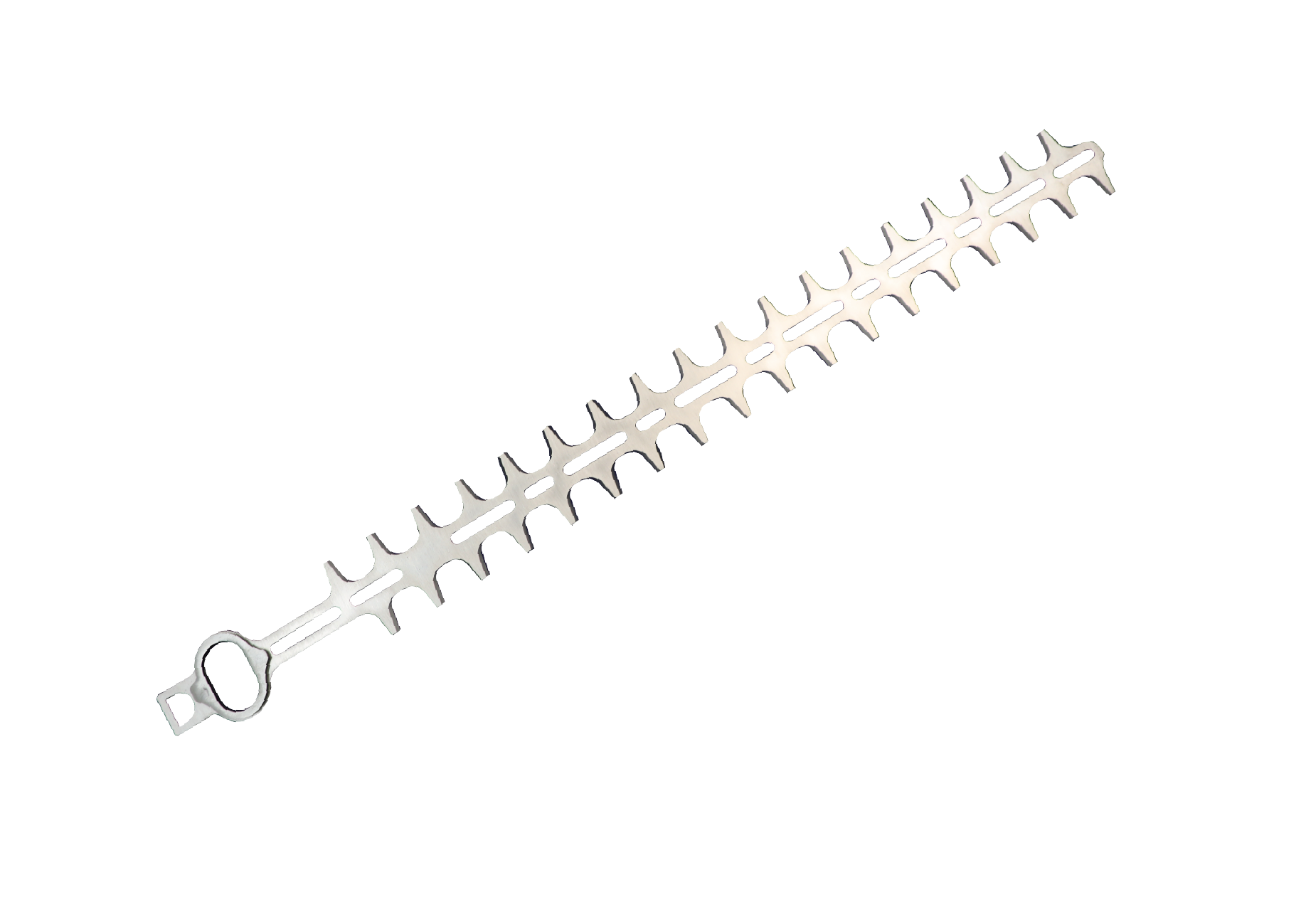
Core Manufacturing Processes to Evaluate
When sourcing from power tool blade fabricators in China, buyers should understand the manufacturing steps behind the product. A professional discussion with the supplier should go beyond blade dimensions and unit price.
Material processing and cutting
Blade performance begins with material selection and accurate cutting. Precision laser cutting and metal cutting help maintain shape accuracy, reduce deformation, and support consistent assembly with power tool bodies.
Heat treatment
Heat treatment affects hardness, toughness, wear resistance, and service life. Inconsistent heat treatment can cause blades to become too brittle or too soft. For buyers, this is one of the most important quality control points.
Stamping and machining
For high-volume blade production, stamping accuracy influences dimensional consistency. Machining processes must be stable enough to maintain hole positions, edges, and fitting areas.
Tooth grinding
Tooth geometry directly affects cutting efficiency and smoothness. Poor grinding can increase vibration, reduce cutting speed, or shorten blade life.
Surface treatment
Coating, spraying, cleaning, and deburring improve corrosion resistance, appearance, and handling safety. For export markets, surface finish consistency also influences perceived product quality.
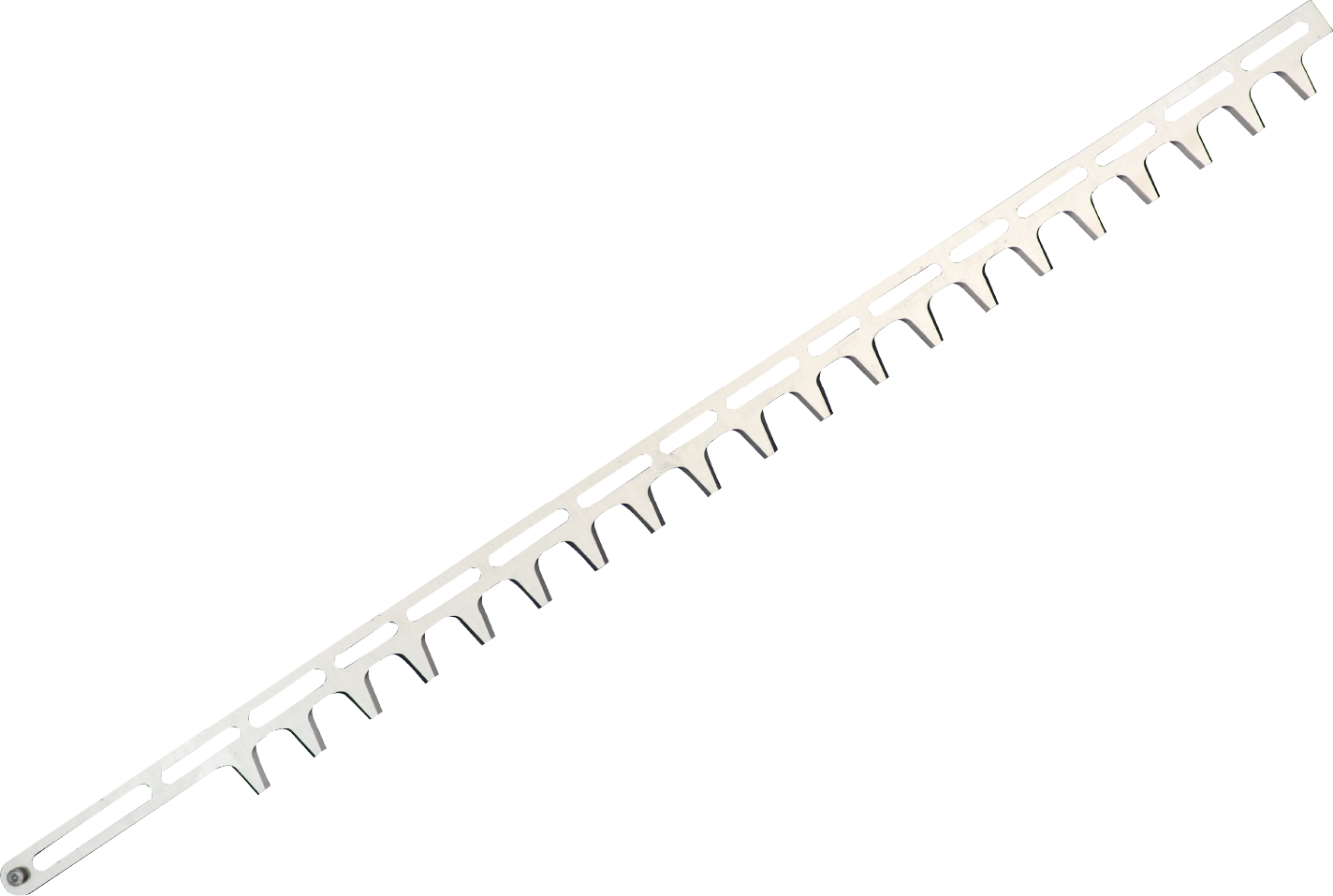
Anhui Wisdom Mechanical Technology Co.,Ltd. is one example of a Chinese manufacturer with an integrated production chain covering material processing, heat treatment, machining, surface treatment, assembly, and finished product inspection. For buyers, this type of structure can simplify communication and reduce the risks created by excessive outsourcing.
Key Factors When Choosing a Blade Fabricator
Before confirming a supplier, procurement teams should assess both technical and commercial factors. The following points are especially important for OEM and long-term purchasing.
1. Product consistency in bulk production
A good sample is not enough. Ask how the factory controls hardness, dimensions, tooth profile, coating thickness, and inspection standards during mass production. Consistency is often more valuable than a slightly lower unit cost.
2. Integrated manufacturing capability
Suppliers with in-house processes such as laser cutting, heat treatment, stamping, tooth grinding, surface coating, injection molding, aluminum die casting, and assembly can better coordinate production schedules and quality control.
3. Customization and engineering support
Different brands and machines may require different blade sizes, mounting holes, cutting profiles, or surface finishes. Buyers should confirm whether the supplier can support drawings, samples, specification adjustments, and OEM/ODM development.
4. Quality management and traceability
A fabricator should have clear inspection procedures from incoming materials to finished products. Certifications can support supplier evaluation, but buyers should also review actual process control, testing methods, and defect handling procedures.
5. Export and packaging readiness
International buyers should check whether the supplier understands export packaging, labeling, carton strength, corrosion protection, and documentation requirements. Good packaging reduces damage and complaints during long-distance shipping.
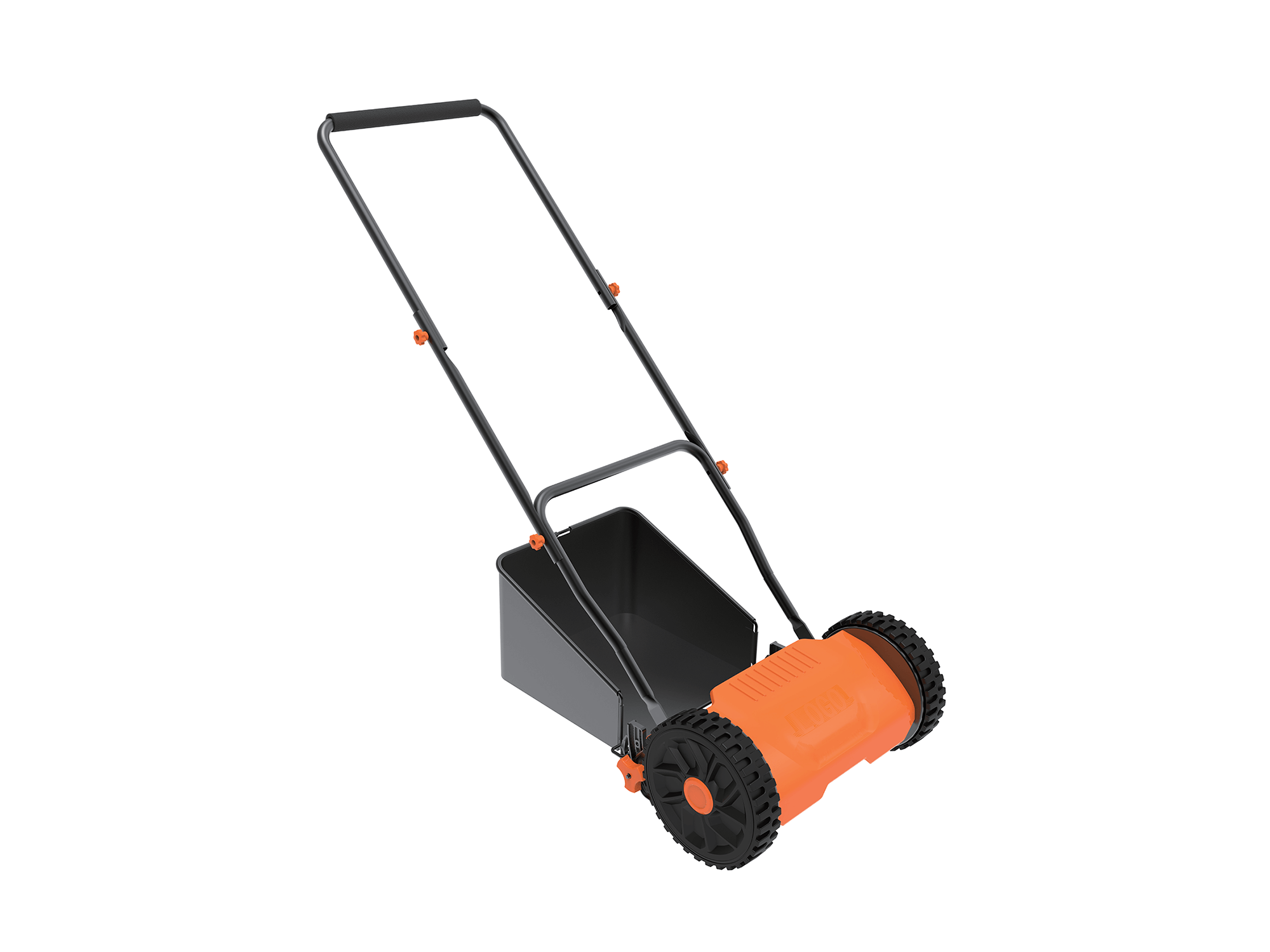
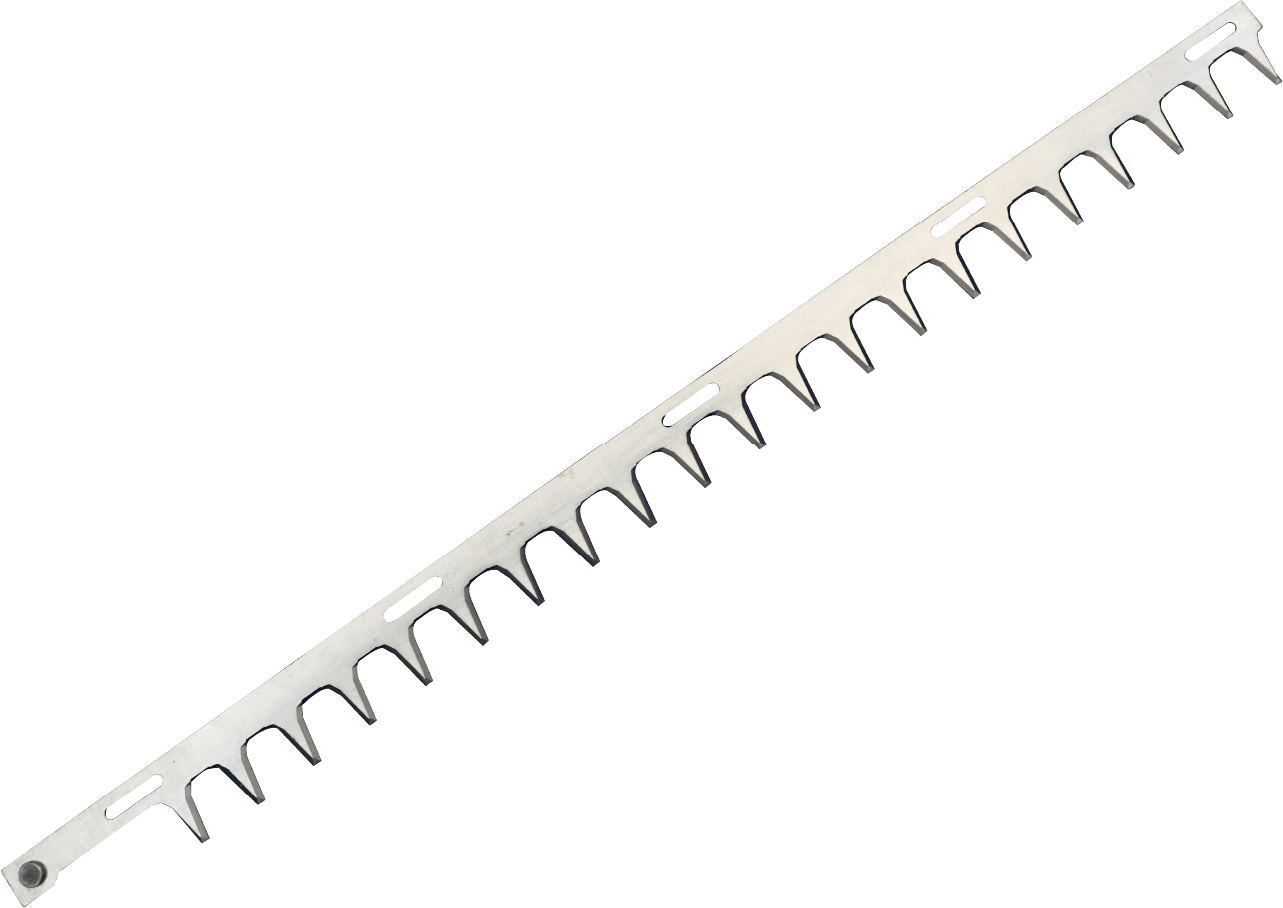
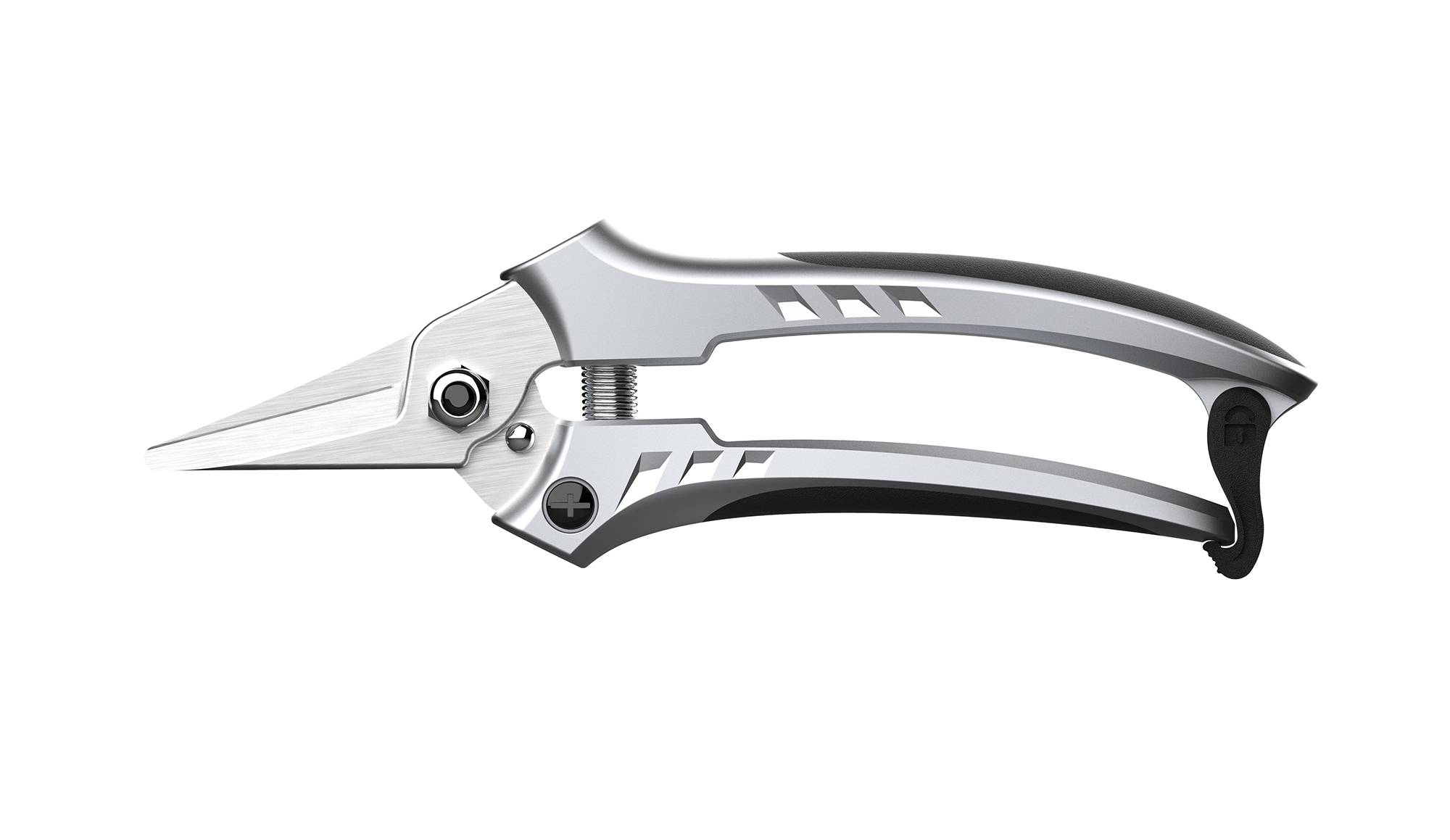
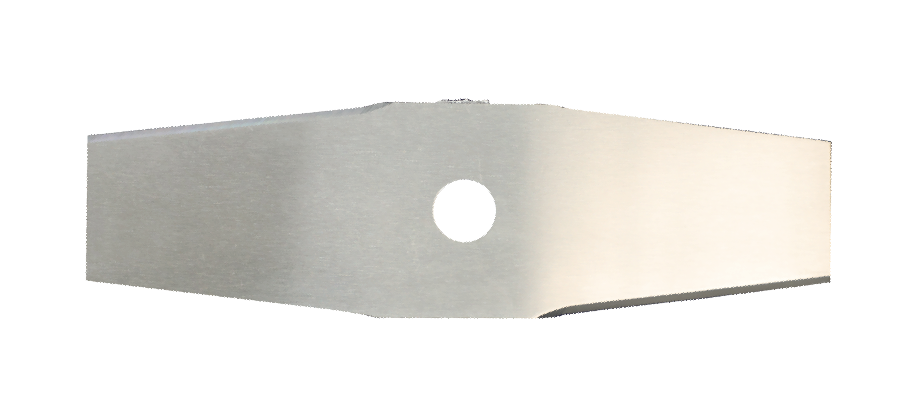
Wisdom Mechanical operates as a high-tech export-oriented manufacturer integrating R&D, production, and sales. Its product scope includes power tool blades, hedge trimmer blades, pruning saws, rose pruning shears, tree branch loppers, hedge shears, long-reach pruners, push reel lawn mowers, and other garden tool and power tool components. This broader tool manufacturing background can be useful when buyers need related cutting tool categories from one production partner.
Common Mistakes B2B Buyers Should Avoid
Even experienced buyers can face problems when sourcing power tool blades. Many issues come from incomplete evaluation at the early stage.
Choosing only by the lowest quotation
A low price may hide outsourced processes, unstable materials, weak inspection, or poor finishing. Always compare quotations together with process capability and quality control.
Approving samples without production validation
Samples may be made with extra attention or different process conditions. Buyers should confirm whether the same process will be used for bulk production.
Ignoring heat treatment control
Many blade failures are related to hardness and toughness. If the supplier cannot clearly explain heat treatment control, this is a risk.
Underestimating packaging requirements
Blades may rust, deform, or scratch during transport if packaging is not designed properly. Export packaging should be discussed before mass production.
What to Ask Before Placing an OEM or ODM Order
A structured supplier questionnaire can save time and reduce misunderstanding. Useful questions include:
Which processes are completed in-house and which are outsourced?What materials are commonly used for similar blade products?
How is hardness tested after heat treatment?
Can the supplier manufacture according to drawings or samples?
What surface treatments are available?
What inspection steps are performed before shipment?
Can packaging be customized for retail, distributor, or bulk supply?
What is the normal process for sample approval and production confirmation?
Anhui Wisdom Mechanical Technology Co.,Ltd. has manufacturing processes that include heat treatment, laser cutting, metal cutting, stamping, tooth grinding, cleaning, deburring, surface coating and spraying, injection molding, aluminum die casting, and assembly. The company also holds ISO 9001, ISO 14001, ISO 45001, and BSCI certifications, which can be useful references for buyers assessing quality, environmental, safety, and social responsibility systems.
Supplier Fit: When an Integrated Manufacturer Makes Sense
An integrated manufacturer is especially suitable when buyers need more than a standard off-the-shelf blade. This includes private-label tool brands, garden equipment brands, hardware distributors, and power tool accessory suppliers that require stable repeat orders or customized product specifications.
Wisdom Mechanical was established in 2021 as a wholly-owned subsidiary of Ningbo Chuangyue Garden Tools Co., Ltd., a national-level “Little Giant” specialized and innovative enterprise. Located in Anqing Economic and Technological Development Zone, Anhui Province, the company operates with approximately 50,000 square meters of factory space and more than 200 employees. These production resources support its role in manufacturing cutting tools, garden tools, and power tool components for business customers.
For buyers, the value of such a supplier is not only capacity. It is the ability to connect product development, manufacturing control, quality inspection, and export support within one system.
FAQ: Sourcing Power Tool Blade Fabricators in China
What information should I provide when requesting a quotation?
Provide drawings, material requirements, dimensions, thickness, tooth design, surface treatment, expected quantity, packaging needs, and application details. If drawings are not available, samples or clear photos with measurements can help the supplier evaluate feasibility and suggest manufacturing options.
How can I check whether a blade supplier controls quality properly?
Ask for details about incoming material inspection, heat treatment testing, dimensional inspection, tooth grinding control, surface treatment checks, and final inspection. Certifications can support credibility, but process-level information is more important for understanding real production control.
Is OEM or ODM customization common for power tool blades?
Yes. Many B2B buyers require customized blade shapes, mounting holes, tooth profiles, coatings, packaging, or branding. The key is to choose a fabricator with engineering communication and manufacturing adjustment capabilities, not only standard product supply.
Why does heat treatment matter so much for power tool blades?
Heat treatment determines the balance between hardness and toughness. If hardness is too low, the blade may wear quickly. If it is too high without enough toughness, the blade may chip or break. Stable heat treatment is essential for durable cutting performance.
Conclusion
Choosing power tool blade fabricators in China requires a careful review of manufacturing capability, process control, customization support, and export readiness. Buyers should look beyond sample appearance and unit price to understand how quality is maintained in bulk production. Manufacturers such as Anhui Wisdom Mechanical Technology Co.,Ltd. show how integrated processes, tool industry experience, and quality management can support long-term B2B sourcing decisions. For professional buyers, the right supplier is the one that can turn specifications into stable, repeatable products.