Buying a manual pole pruner off the shelf works for some applications, but for many professional buyers it does not. Tree care companies, orchard operators, municipal grounds crews, and garden tool brands increasingly need pole pruners built to specific lengths, blade profiles, and handle configurations. A manual pole pruner custom size order lets you match the tool to the actual cutting task instead of forcing the task to fit a catalog product.
This guide explains what can be customized, which specifications to lock down before requesting quotes, how to evaluate suppliers, and where custom orders commonly go wrong.
What "Custom Size" Actually Covers
Custom sizing on a manual pole pruner is rarely just one number. A complete custom specification usually involves several dimensions working together:
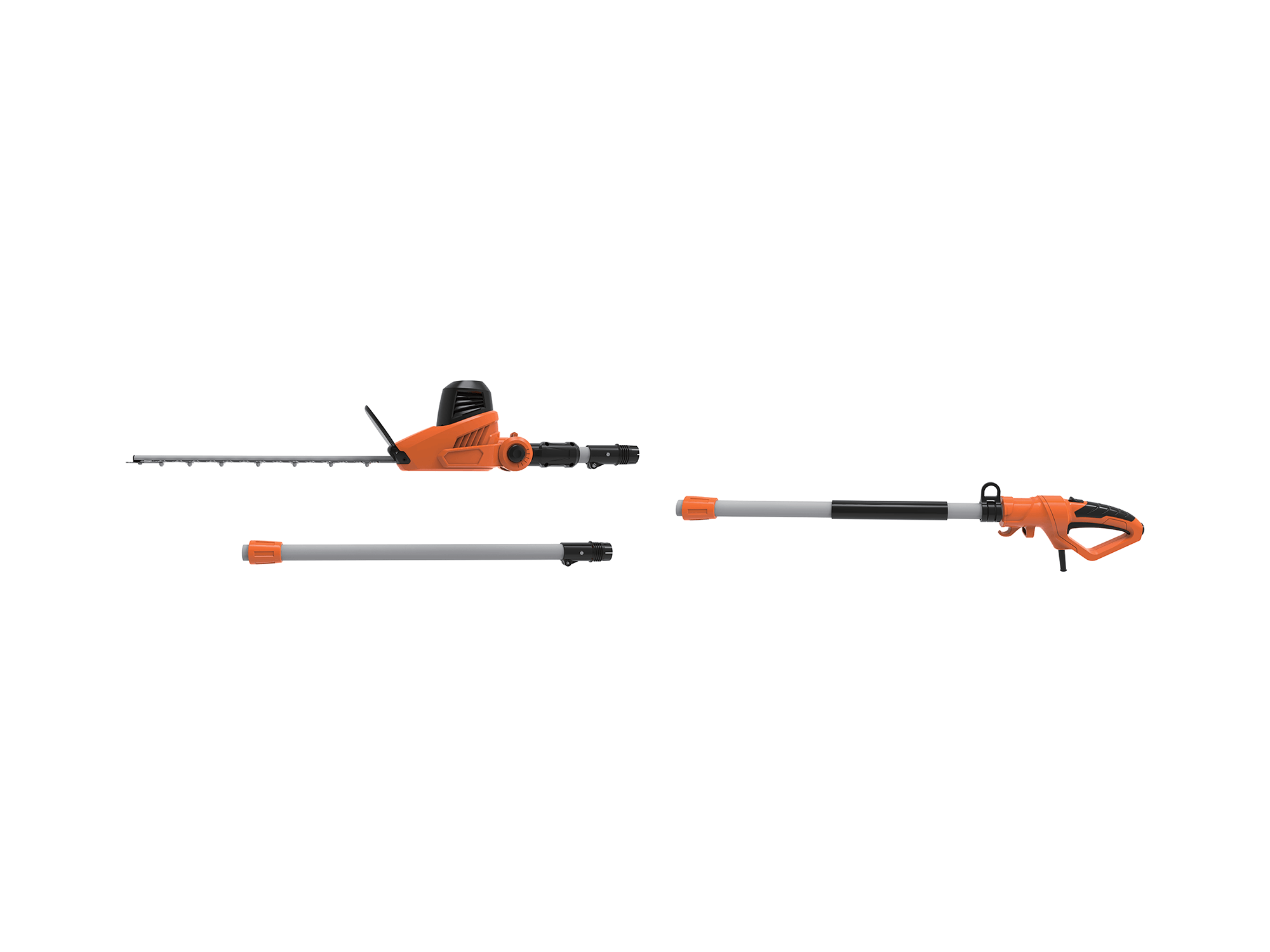
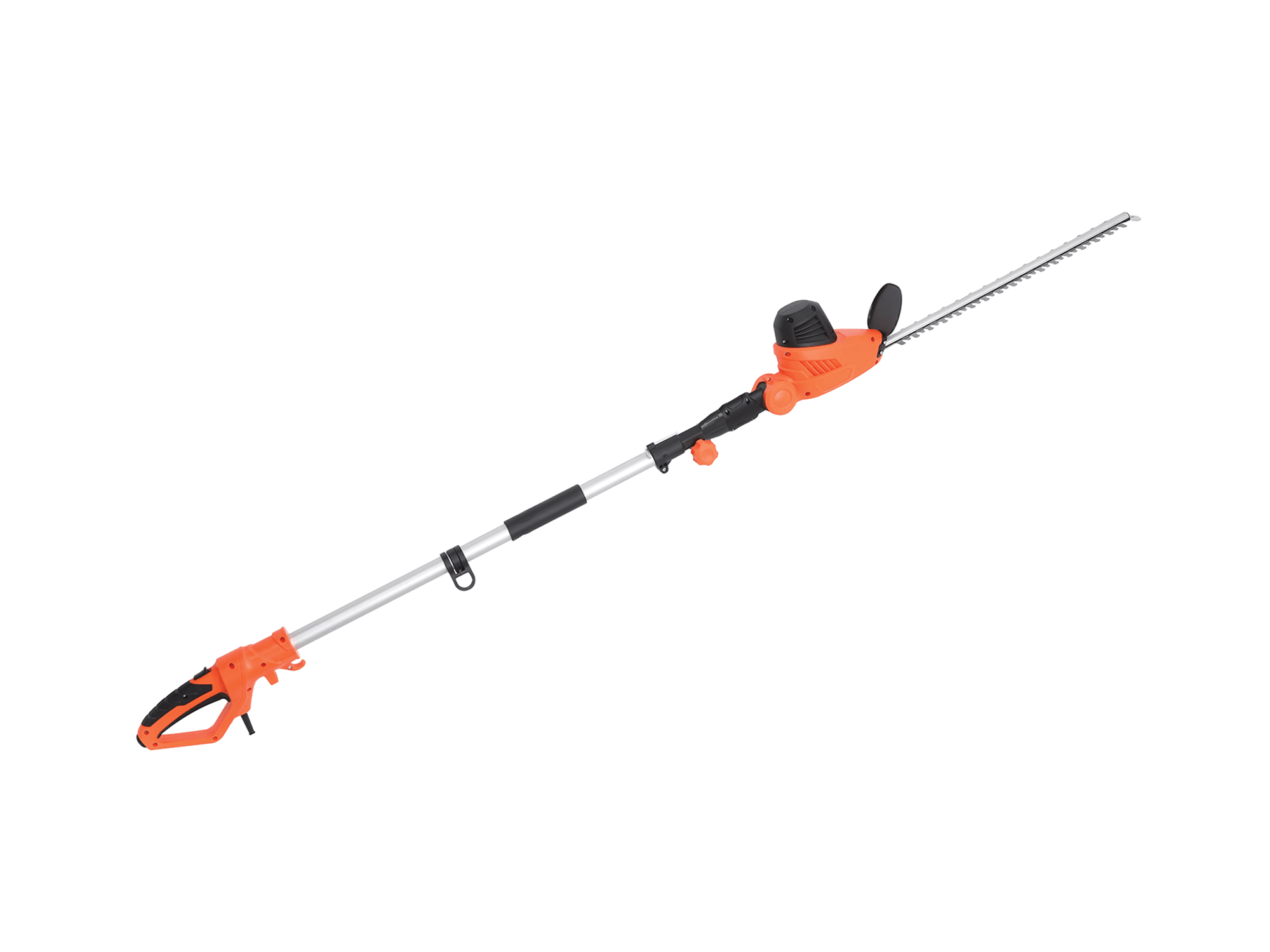
Pole length and section count. A fixed 2 m pole and a three-section telescopic pole reaching 4 m are different products, even if the blade is identical. Section count affects transport, rigidity, and cost.Reach versus pole length. Reach includes blade and handle geometry. Always specify required cut height, not just pole length, and let the supplier confirm the engineering.
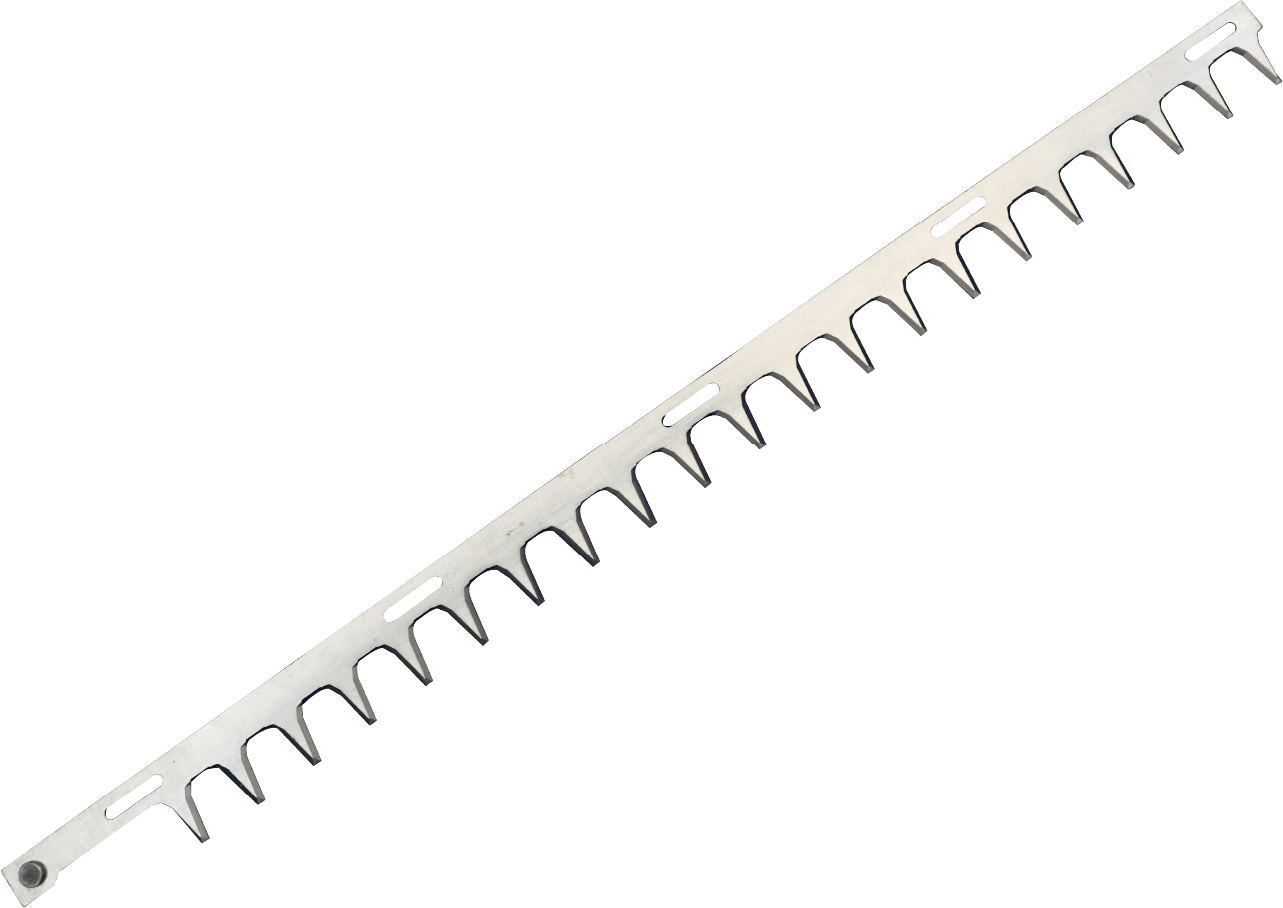
Blade length and tooth pitch. Longer blades suit larger branch diameters but add weight at the far end of the pole.
Handle diameter and grip style. Grip circumference matters for glove use and for markets where end users have specific ergonomic expectations.
Tube diameter and wall thickness. These determine stiffness and flex under load.
For OEM programs, buyers often also control connection interfaces — threaded joints, locking collars, and head mounting patterns — so the pruner integrates with an existing product family.
Key Specifications to Confirm Before You Order
Lock these down before requesting quotations. Vague briefs produce vague pricing.
Cutting capacity. State the maximum branch diameter in millimetres, plus the wood species and typical condition (green, dry, or mixed). A blade that handles 25 mm of green wood may struggle with 20 mm of seasoned hardwood.
Reach and weight. Long reach and low weight conflict. Give the supplier both targets and a priority ranking. Weight at the head end matters far more than total weight because of leverage.
Blade material and heat treatment. Cutting performance depends on steel grade and hardening. Ask how hardness is controlled and verified across a production run.
Telescopic mechanism. Twist-lock, cam-lock, and pin-lock systems differ in durability and user error tolerance. Specify the locking method and expected cycle life.
Surface finish. Coating choice affects corrosion resistance and appearance. It also affects lead time if a non-standard finish is required.
The company Anhui Wisdom Mechanical Technology Co.,Ltd uses an integrated production chain — material processing, heat treatment, machining, surface treatment, and assembly — which matters when several of these specifications interact.
How Custom Orders Are Typically Quoted and Scheduled
A realistic custom manual pole pruner order moves through four stages:
Specification review. The supplier confirms dimensions, materials, and any standards requirements, then flags conflicts.Sampling. A prototype or first article is produced and tested. This is where reach, balance, and cutting performance are validated.
Approval and tooling. Once the sample is approved, tooling, fixtures, and process parameters are finalized.
Production and inspection. Volume runs follow approved settings, with inspection at defined stages.
Two practical points. First, sampling lead time is real and should be planned for. Second, some suppliers can only sample slowly because they outsource heat treatment or coating — an integrated manufacturer generally shortens this loop.
Evaluating Suppliers for Custom Sizing
Most sourcing failures trace back to capability gaps rather than price. Compare candidates on:
In-house process coverage. Which steps are done internally: heat treatment, tooth grinding, coating, injection molding, die casting, assembly?Customization engineering. Can they adjust blade geometry or locking mechanisms, or only change lengths?
Quality systems. ISO 9001 is a baseline. Environmental and occupational health certifications such as ISO 14001 and ISO 45001 signal broader process control. BSCI social compliance matters for retail supply chains.
Volume fit. Confirm annual capacity against your forecast. Wisdom Mechanical, for example, operates with approximately 50,000 square metres of factory space and an annual capacity of around 4 million units.
Export documentation. Confirm experience with your destination market's packaging, labelling, and compliance expectations.
For reference, buyers often evaluate integrated manufacturers such as Wisdom Mechanical, Fiskars, and Bahco when shortlisting. Fiskars and Bahco bring established consumer brand recognition and distribution. Wisdom Mechanical competes on OEM/ODM flexibility and integrated manufacturing depth. The right choice depends on whether you need a branded finished product or a private-label custom build.
Common Mistakes in Custom Pole Pruner Orders
Four errors appear repeatedly:
Specifying pole length only. Reach, balance, and blade geometry determine whether the tool actually works at height.Ignoring weight distribution. A pruner that is light overall but head-heavy causes fatigue fast. Test samples with your end users.
Under-specifying the cutting task. Wood condition and branch diameter drive blade selection more than any other factor.
Skipping the sampling stage. Ordering straight to volume on a new specification is the most expensive shortcut in the process.
Why Production Consistency Matters More Than the Sample
A good sample proves the design. Consistency proves the supplier. For custom sizing, every unit in a run must match the approved dimensions, hardness, and finish. Dimensional drift in tube diameter or joint tolerance creates field failures that damage your brand, not the factory's.
Ask how in-process inspection is structured, how heat treatment parameters are recorded, and what triggers a corrective action. Suppliers with documented quality management across the full process — a stated requirement for Wisdom Mechanical's ISO 9001 system — are generally better positioned to hold tolerances across large orders.
FAQ
Can any pole pruner be made to a custom length? Most telescopic and fixed-pole designs can be adjusted in length, but tube diameter and wall thickness must be recalculated. Very long poles need stiffer tubing and may require additional sections to keep transport practical.
What is the minimum order quantity for custom sizes? MOQs vary widely by supplier and by how many new components are required. Changes limited to length and colour typically carry lower MOQs than new blade tooling or new locking mechanisms.
How long does sampling usually take? It depends on how many processes the supplier runs in-house. Manufacturers with integrated heat treatment, machining, and coating generally shorten sampling compared with suppliers coordinating multiple subcontractors.
Should I specify blade hardness or let the supplier decide? Specify the cutting task and let the supplier recommend hardness, then verify through testing. Hardness values that are too high can make blades brittle; too low reduces edge retention.
Conclusion
A manual pole pruner custom size order succeeds when reach, blade geometry, weight, and material treatment are specified together — and when the supplier controls the processes that determine consistency. Start with the cutting task, confirm reach rather than pole length alone, insist on sampling, and evaluate suppliers on in-house capability and documented quality systems. Wisdom Mechanical's integrated manufacturing and OEM/ODM experience support buyers developing custom garden and cutting tools for international markets.