Cordless hedge trimmer blades are one of those components that look simple in a product catalog but decide a lot at the retail level: how long the tool stays sharp, how cleanly it cuts, how it holds up in wet or sandy conditions, and how many warranty claims come back after the first season. For importers, garden tool brands, and power tool manufacturers sourcing from China, the real question is not whether blades can be made cheaply — it is whether a supplier can deliver consistent hardness, tooth geometry, coating quality, and packaging across repeat orders.
This article explains what professional buyers should evaluate when sourcing cordless hedge trimmer blades from China, and how to tell a genuinely integrated manufacturer from a trading intermediary.
What Cordless Hedge Trimmer Blades Actually Require
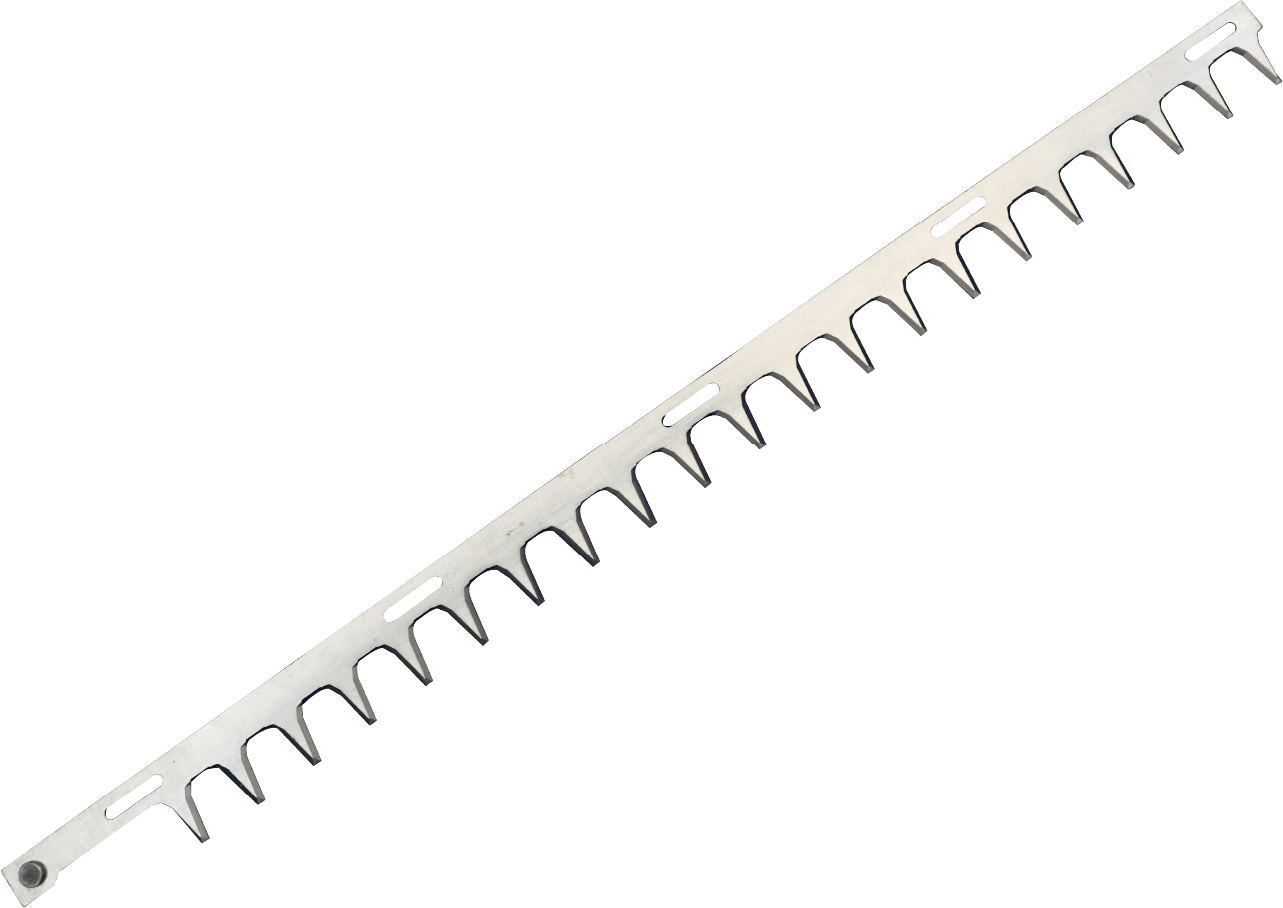
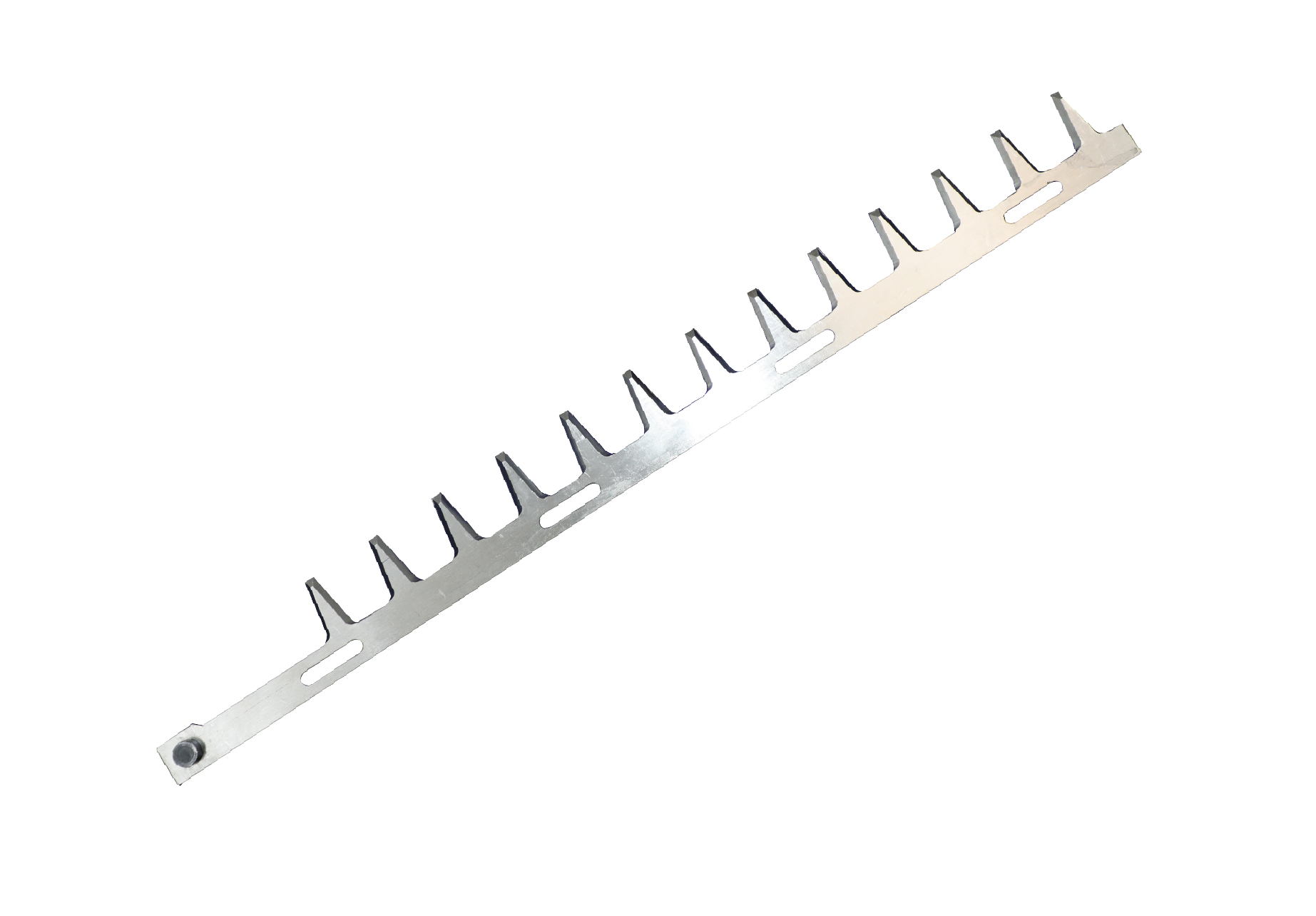
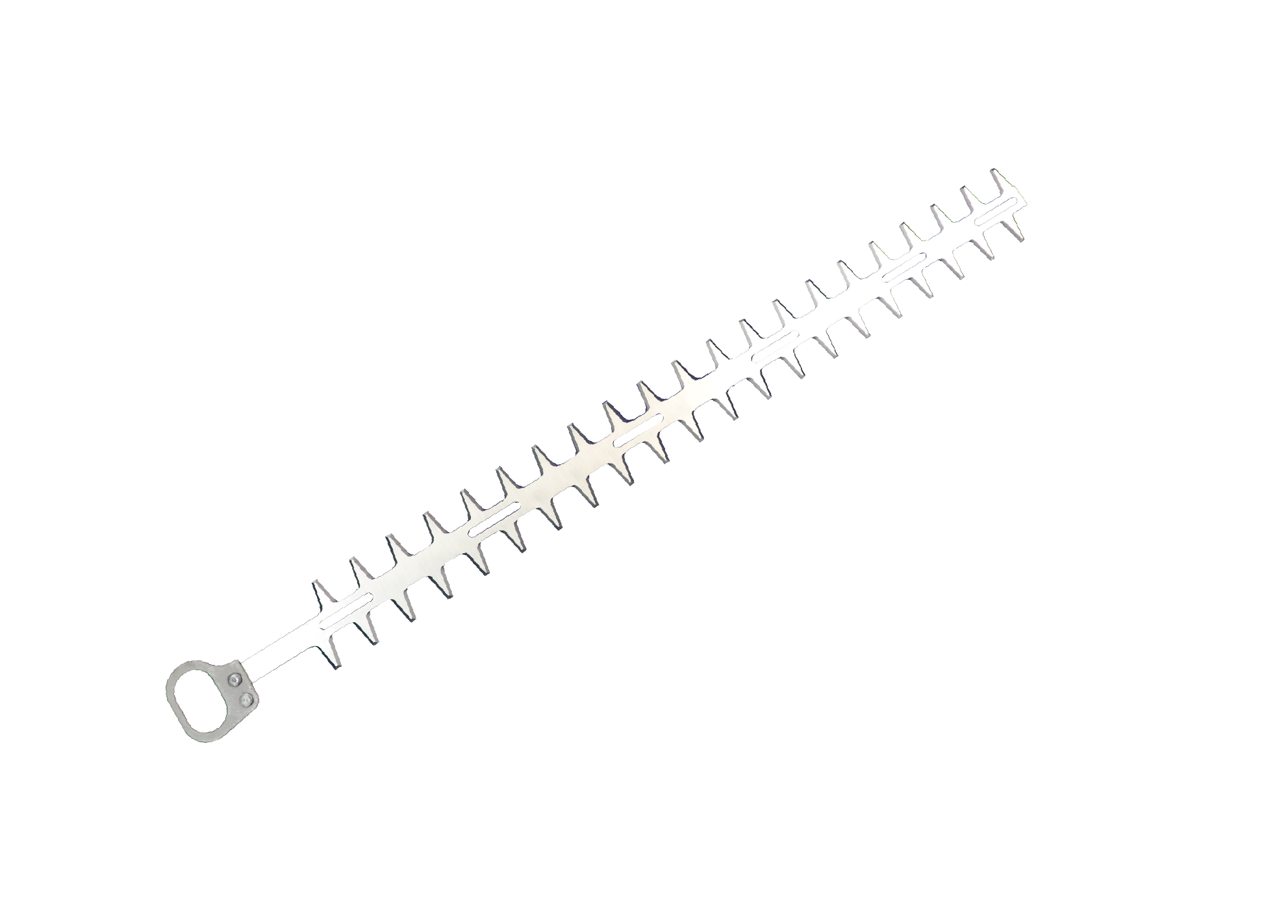
A cordless hedge trimmer blade is a cutting assembly, not a single stamped part. Depending on the design, it typically includes a reciprocating blade, a fixed counter blade, spacers, rivets or fasteners, and sometimes a guide bar or support plate. Cordless platforms add their own constraints: the blade must cut efficiently with the torque and runtime a battery pack can deliver, which puts pressure on tooth geometry and friction control.
Three technical parameters matter most in sourcing:
Material grade and hardness. Blades are commonly made from carbon steel or alloy steel with a defined heat treatment target, often expressed in HRC. Too soft and the edge rolls; too hard and the teeth become brittle and chip.Tooth geometry and sharpening consistency. Cutting angle, tooth pitch, and edge sharpness must match the trimmer's stroke length and speed. Inconsistent grinding shows up as rough cuts and premature branch damage.
Surface treatment. Coatings such as PTFE-based or other low-friction finishes reduce sap adhesion and corrosion, which is a common complaint in humid markets.
Buyers should request a drawing-level specification covering material, hardness range, coating type and thickness, and dimensional tolerances — not just a sample photo.
Manufacturing Process Control: Where Quality Is Won or Lost
Most blade defects trace back to process control rather than design. Heat treatment is the most common failure point. Without controlled atmosphere, accurate temperature curves, and verified quenching and tempering, hardness varies from batch to batch, and even within a single batch.
Tooth grinding is the second critical stage. Automated grinding with defined indexing produces repeatable tooth profiles; manual grinding does not, especially at volume. Surface treatment and coating adhesion follow closely — a coating that flakes at the tooth tips offers no corrosion benefit and can affect cutting performance.
An integrated production flow — material processing, heat treatment, machining, surface treatment, assembly, and finished product inspection — reduces the coordination risk that appears when a supplier outsources heat treatment or coating to third parties. Anhui Wisdom Mechanical Technology Co., Ltd. operates this type of integrated chain, with in-house heat treatment, precision laser cutting, metal stamping, tooth grinding, surface coating and spraying, injection molding, aluminum die casting, and assembly. For buyers, that structure mainly means one party is accountable for hardness, geometry, and finish together rather than separately.
How to Evaluate a Chinese Blade Supplier
Price per unit is a weak indicator on its own. The following criteria tend to predict long-term sourcing outcomes more reliably.
1. Manufacturing depth. Ask which processes are performed in-house and which are subcontracted. Request a process flow for the specific blade model, and confirm whether heat treatment is internal.
2. Quality management system. Certification is a baseline, not a differentiator. Look for ISO 9001 for quality management, and ISO 14001 and ISO 45001 where environmental and occupational health requirements matter to your market or your own compliance reporting.
3. Incoming and in-process inspection. Ask how steel is verified on receipt, how hardness is sampled after heat treatment, and how dimensional accuracy is checked after grinding. Documented sampling plans are more useful than general statements about quality.
4. Customization and engineering support. Blade specifications vary by trimmer model, cutting capacity, and market preference. Suppliers with development capability can adjust tooth profile, blade length, mounting holes, and coating to fit an existing tool platform rather than forcing you into a standard catalog item.
5. Capacity and delivery stability. Annual output, factory floor area, and workforce size indicate whether a supplier can absorb seasonal peaks. Seasonality is a real risk in garden tools, where demand concentrates in spring in most Northern Hemisphere markets.
6. Export experience and communication. Suppliers accustomed to international buyers understand documentation, packaging requirements, inspection arrangements, and specification changes communicated in English.
OEM/ODM Customization and Product Range
For most cordless trimmer programs, blades are not bought off the shelf. Buyers need either OEM production to an existing drawing or ODM development where the supplier contributes to the design. Practical customization areas include blade length and tooth count, cutting capacity and tooth shape, mounting interface and hole pattern, coating selection, and retail or bulk packaging.
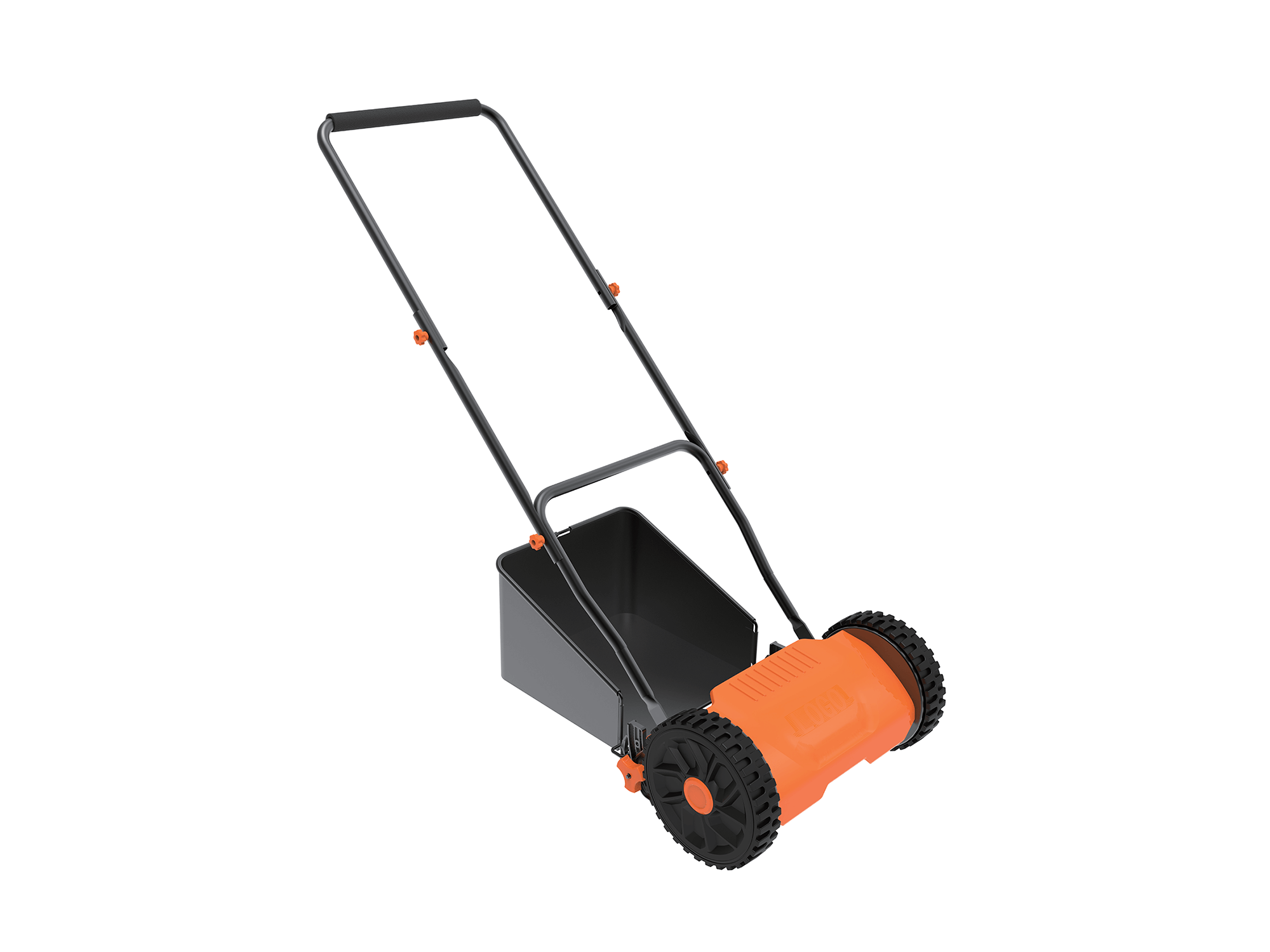
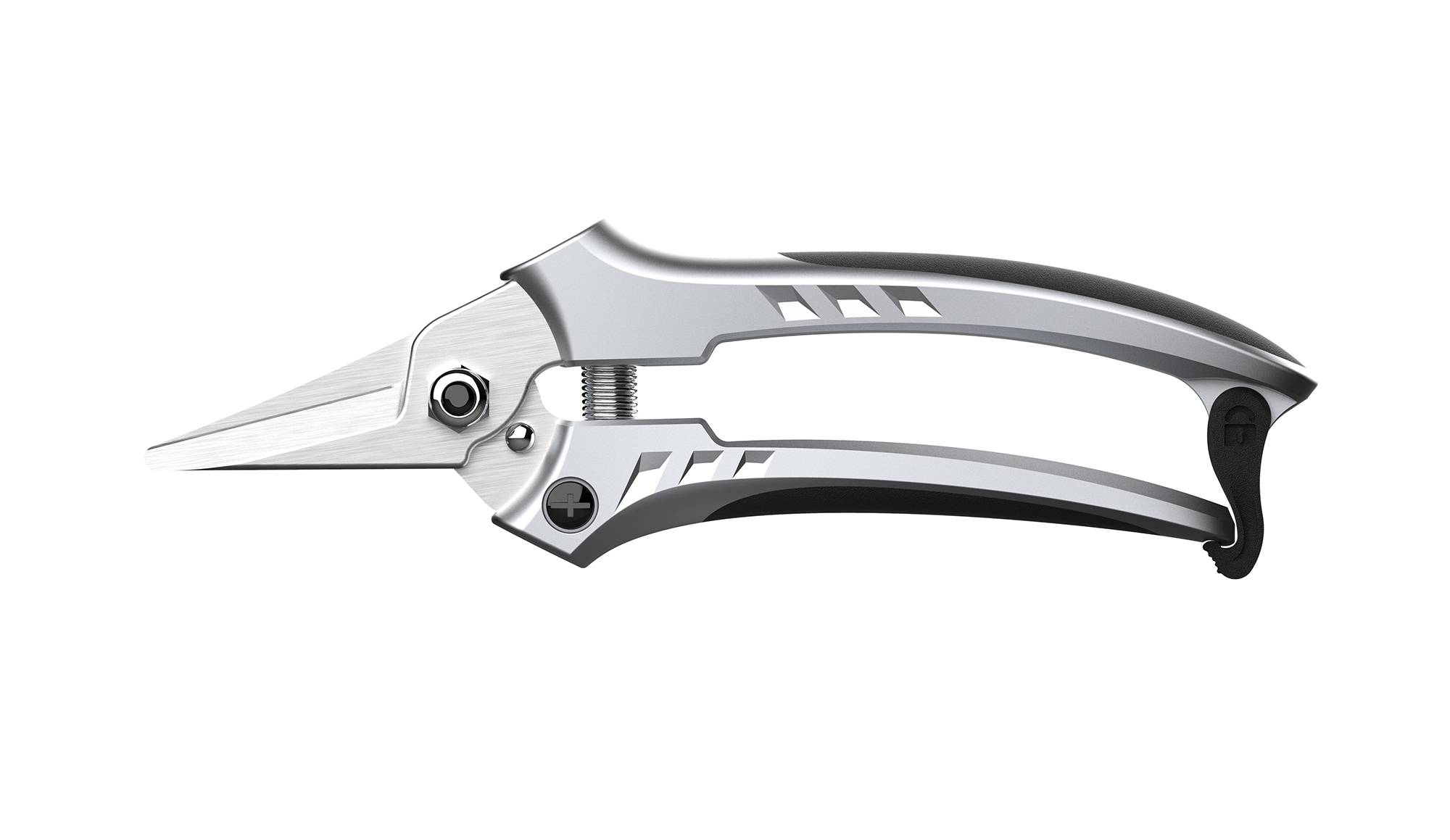
A supplier's broader product portfolio also matters, because it shows whether the engineering team understands the tool as a system. Rose pruning shears, pruning saws, tree branch loppers, hedge shears, long-reach pruners, push reel lawn mowers, and other garden and power tool components involve similar cutting, heat treatment, and coating disciplines. Suppliers who build across these categories usually have deeper experience with edge retention and corrosion issues than those producing a single part number.
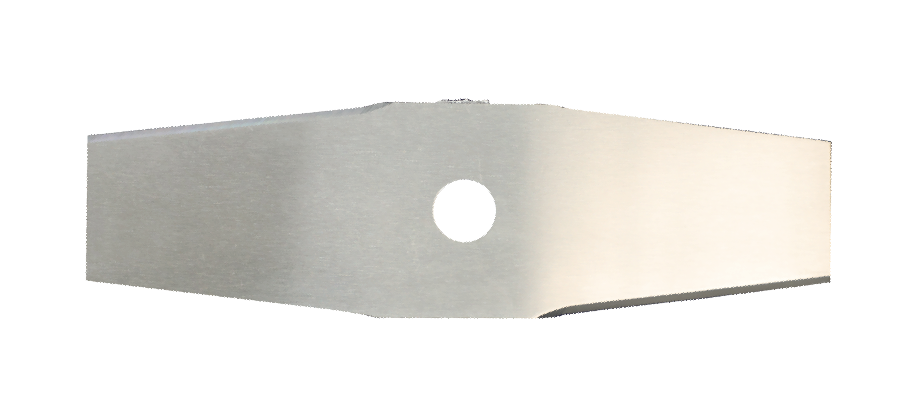
Wisdom Mechanical, established in 2021 as a wholly-owned subsidiary of Ningbo Chuangyue Garden Tools Co., Ltd., produces hedge trimmer blades, power tool blades, and related garden hand tools from a facility of approximately 50,000 square meters with more than 200 employees and annual capacity of roughly 4 million units.
Common Sourcing Mistakes to Avoid
Specifying hardness without a tolerance range. A single HRC number invites arguments at inspection. Define a range and an agreed test method.
Approving a sample without a production plan. A hand-finished sample can pass while the production process cannot repeat it. Ask how the sample will be reproduced at volume.
Ignoring coating performance. In coastal or high-humidity markets, inadequate corrosion resistance generates returns long after the shipment clears customs.
Treating packaging as an afterthought. Blades are sharp, prone to edge damage, and often sold in retail blister packs. Packaging design affects both safety and shelf presentation.
Skipping the pre-shipment inspection agreement. Agree on sampling, acceptance criteria, and who bears third-party inspection costs before the first order.
FAQ
What hardness should cordless hedge trimmer blades be? There is no universal figure. Hardness is set by blade material, tooth geometry, and the trimmer's power and stroke. Most specifications fall within a defined HRC range rather than a single value. Buyers should agree on a range, a test location on the blade, and an accepted test method before production.
Can a Chinese supplier produce blades for our existing trimmer model? Yes, if the supplier has development and tooling capability. Provide drawings or samples, cutting capacity requirements, and mounting dimensions. Expect a sample approval stage and a defined timeline for tooling, first article inspection, and mass production.
How do I verify heat treatment quality remotely? Request hardness test reports by batch, ask where testing is performed, and consider third-party verification during pre-shipment inspection. Suppliers with in-house heat treatment can usually provide more consistent batch records than those relying on external processing.
What is the typical lead time for custom blade orders? Lead times depend on tooling requirements, order volume, and coating specifications. Confirm sample lead time, production lead time, and peak-season scheduling separately in writing, since garden tool demand concentrates in specific months.
Conclusion
Sourcing cordless hedge trimmer blades from China comes down to process control, not catalog price. Buyers who specify material and hardness ranges, verify heat treatment and grinding capability, confirm quality systems, and agree on inspection and packaging terms early avoid most of the problems that surface after delivery. Working with an integrated manufacturer — one accountable for cutting, heat treatment, coating, and assembly — simplifies that verification and supports consistent repeat orders as your trimmer program grows.