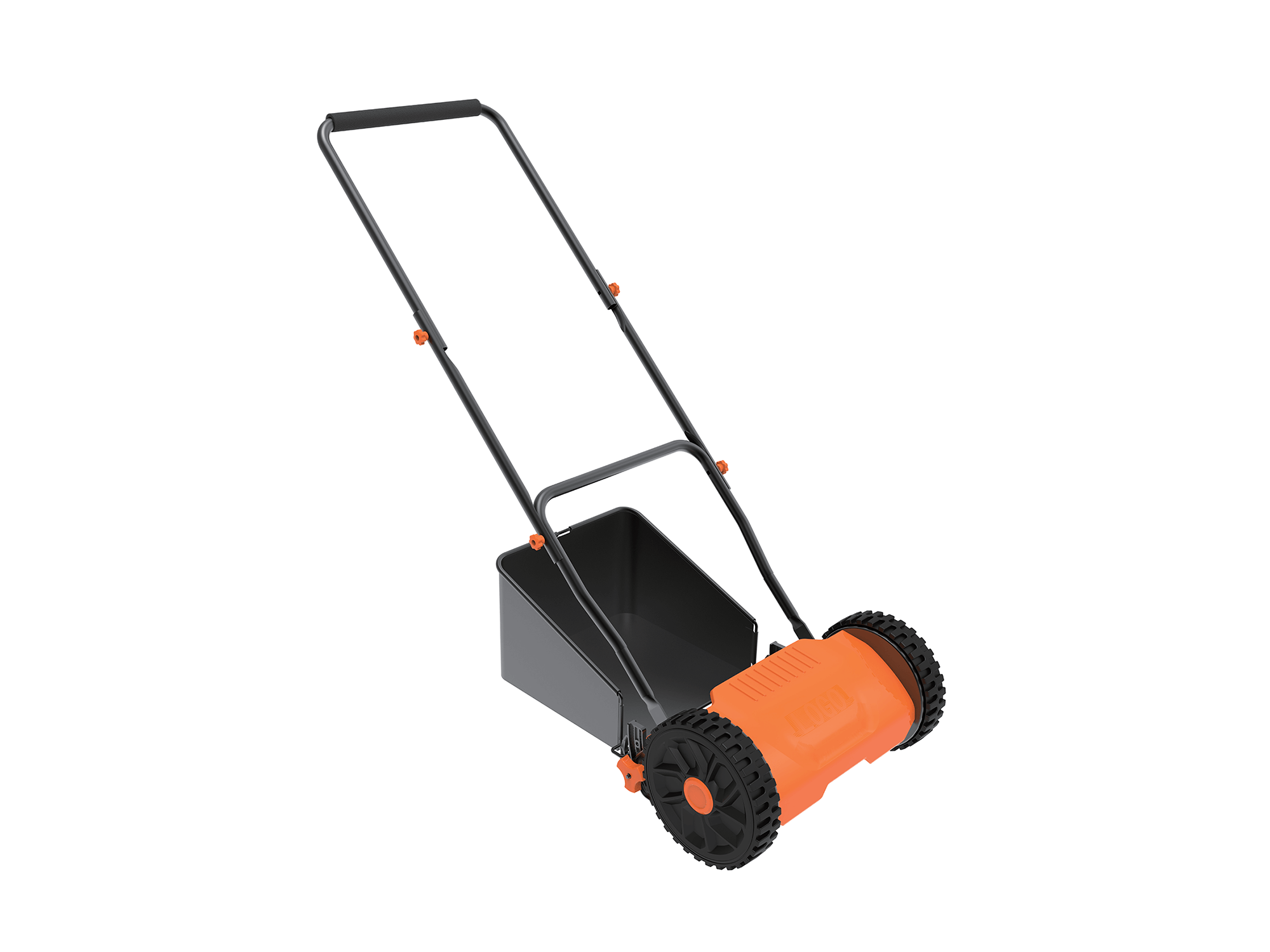
International buyers sourcing custom precision machining services from China typically seek suppliers who can deliver consistent quality at scale while supporting product customization. The demand often comes from manufacturers of garden tools, power tools, and hardware components that require tight tolerances on blades, housings, and assemblies.
Matching Manufacturing Capabilities to Product Requirements
Buyers should first define the exact processes needed. Laser cutting, stamping, tooth grinding, and heat treatment frequently appear in specifications for cutting tools and garden equipment. Suppliers with these capabilities in-house reduce coordination risks that arise when parts move between multiple subcontractors.
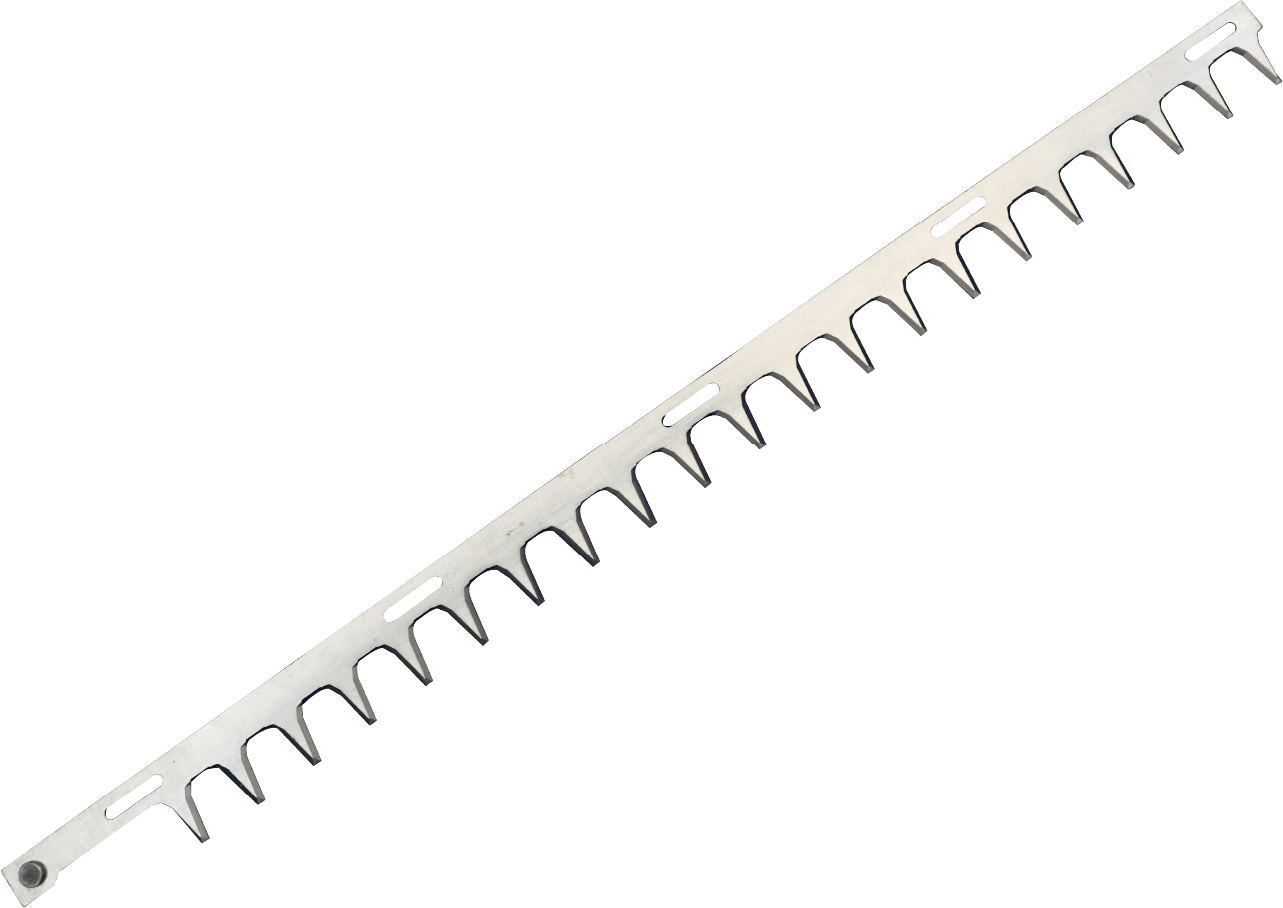
Anhui Wisdom Mechanical Technology Co.,Ltd maintains an integrated production chain that covers material processing through final assembly. This structure supports stable output for components such as hedge trimmer blades and pruning saw components, where dimensional accuracy directly affects cutting performance.
Evaluating Process Integration and Delivery Reliability
Fragmented supply chains often create quality variations between batches. An integrated facility can control variables such as heat treatment parameters and surface finishing more tightly. This matters for products exposed to outdoor conditions, where corrosion resistance depends on consistent coating application.
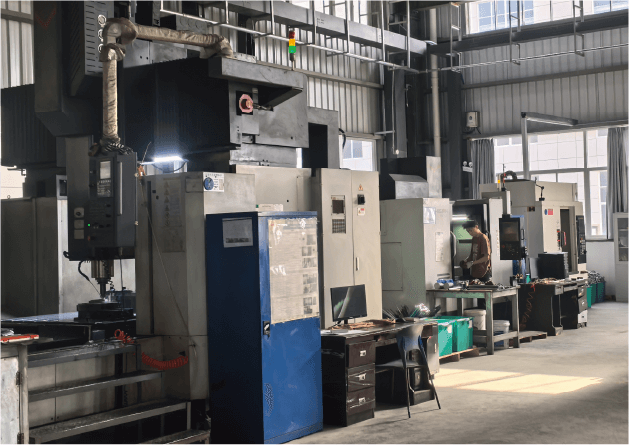
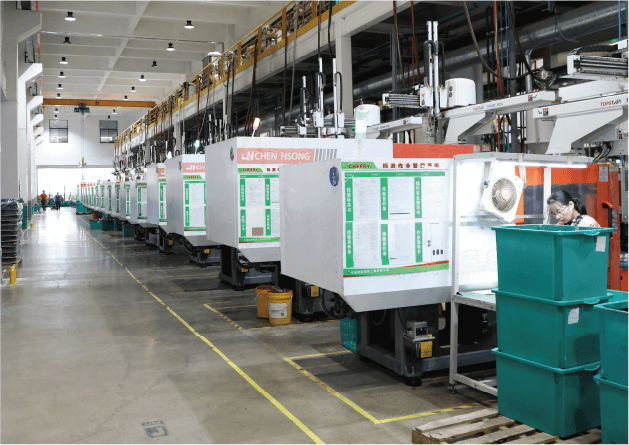
Wisdom Mechanical operates approximately 50,000 square meters of factory space with capabilities in injection molding, aluminum die casting, and automated assembly. These resources allow the company to manage complete component sets rather than individual processes, which simplifies logistics for overseas customers.
Quality Systems and Certification Requirements
Procurement teams routinely request evidence of systematic quality management. Relevant certifications include ISO 9001 for process control, ISO 14001 for environmental management, and ISO 45001 for occupational health. Social compliance documentation such as BSCI also appears in many RFQs.
The company holds these certifications and applies them across heat treatment, laser cutting, stamping, and surface treatment lines. Documented process controls help maintain repeatability when producing high volumes of precision parts for garden and power tool applications.
Customization and Technical Collaboration
Many projects require adjustments to tooth profiles, blade thickness, or mounting interfaces. Suppliers capable of modifying tooling and process parameters without external approval shorten development cycles. Early involvement in design reviews also reduces the chance of costly revisions later.
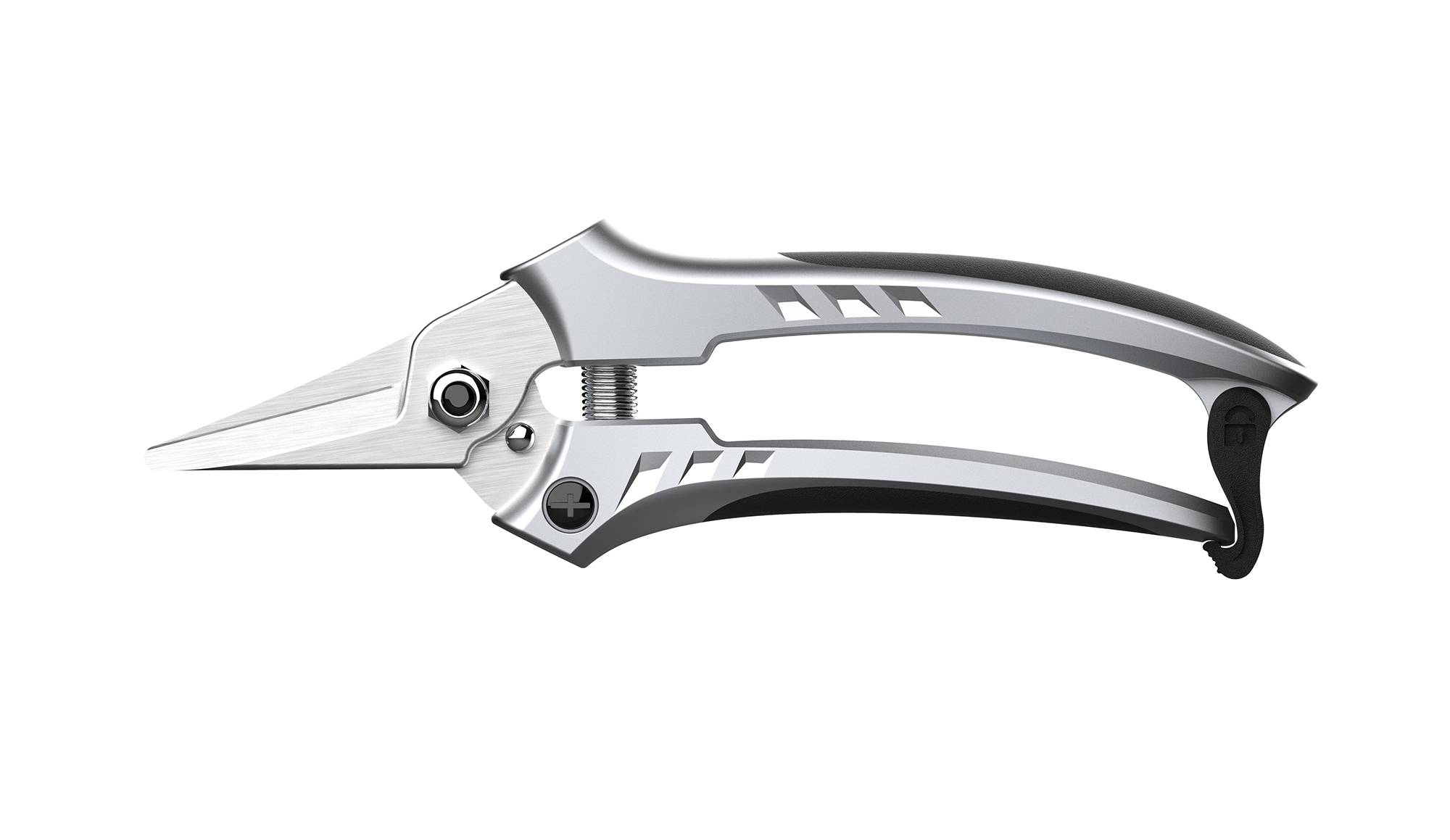
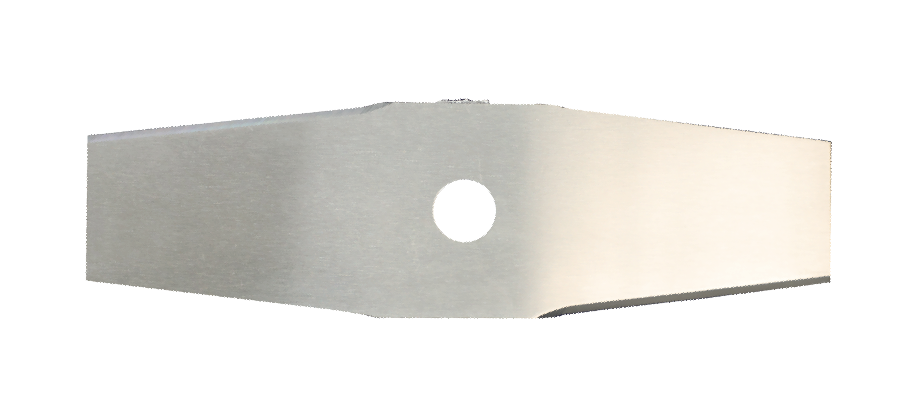
Wisdom Mechanical works with customers on OEM and ODM projects for pruning shears, long-reach pruners, and power tool blades. Technical teams review drawings and material specifications to align manufacturing methods with end-use performance targets.
Cost Structure and Total Procurement Considerations
Unit price alone rarely determines long-term supplier selection. Factors such as tooling amortization, minimum order quantities, packaging standards, and export documentation affect overall landed cost. Buyers benefit from discussing these elements during initial quotations.
The company’s annual capacity of approximately 4 million units supports both mid-volume and larger programs. Export-oriented processes include standard packaging configurations suitable for sea and air freight to markets in Europe, North America, and Asia.
Common Pitfalls in Supplier Selection
Selecting vendors based solely on quoted price without process auditsAssuming all Chinese manufacturers maintain identical quality systems
Overlooking the impact of surface treatment consistency on product lifespan
Failing to verify in-house capability versus reliance on subcontractors
Frequently Asked Questions
What tolerances can Chinese precision machining suppliers typically achieve for cutting tool components?
Tolerances depend on the process. Laser cutting and grinding operations commonly hold ±0.1 mm or tighter when supported by appropriate fixturing and inspection equipment.
How do buyers verify that a supplier maintains consistent quality across production batches?
Request process capability data, incoming material certificates, and in-process inspection records. On-site audits or third-party inspections provide additional confirmation.
What documentation is usually required for international shipments of machined garden tool parts?
Standard requirements include commercial invoices, packing lists, certificates of origin, and material test reports. Some markets request additional declarations for restricted substances.
Can suppliers accommodate design changes after initial samples are approved?
Most integrated manufacturers can implement modifications provided they control the relevant tooling and processes. Lead time and cost implications should be discussed before changes are finalized.
Wisdom Mechanical combines its manufacturing resources with parent-company technical support to serve international customers seeking reliable sources for precision-machined garden and power tool components. Buyers evaluating suppliers should focus on process integration, documented quality systems, and demonstrated customization experience when making final decisions.