Sourcing custom lawn mower blades is not the same as buying standard hardware. Blades are safety-relevant, wear-intensive components, and a batch that differs slightly in hardness, balance, or cutting geometry can generate returns, warranty claims, and dissatisfied end users. For importers, garden tool brands, and OEM buyers, the real question is not where to find a supplier, but how to identify a manufacturing partner whose production system can hold tolerances across repeat orders.
This guide outlines what to verify before placing a custom blade program with an overseas manufacturer.
What Separates a Custom Blade Manufacturer from a Trading Company
Many suppliers advertising custom lawn mower blades are trading companies that outsource cutting, heat treatment, and coating to separate workshops. That model can work for simple orders, but it creates gaps in accountability. When hardness drifts or a coating fails, responsibility is split across several vendors, and your corrective action request may take weeks to resolve.
A genuine manufacturer controls the process chain in-house. For mower blades, the critical steps are material selection, laser or stamping-based blanking, edge and tooth grinding, heat treatment, surface coating, and balancing and inspection. The more of these steps a supplier performs internally, the more consistent the output tends to be.
Anhui Wisdom Mechanical Technology Co., Ltd., for example, operates an integrated production chain covering material processing, heat treatment, machining, surface treatment, injection molding, die casting, and assembly. That structure is relevant to buyers because blade performance is determined by the interaction between these processes, not by any single operation.
Key Factors When Evaluating a Blade Supplier
1. Heat treatment control
Heat treatment determines blade hardness, toughness, and edge retention. Ask how the supplier controls austenitizing temperature, quench media, tempering cycles, and post-treatment hardness verification. A supplier that treats heat treatment as a documented, measured process rather than an outsourced step is usually a safer long-term partner. Hardness testing frequency and record retention matter as much as the nominal hardness range.
2. Material specification and traceability
Blade steel grade, thickness, and hardness targets should be agreed in writing before tooling begins. Confirm whether the supplier can source consistent steel grades, verify incoming material, and trace finished blades back to material lots. For markets with strict product liability expectations, traceability documentation is not optional.
3. Cutting geometry and balance
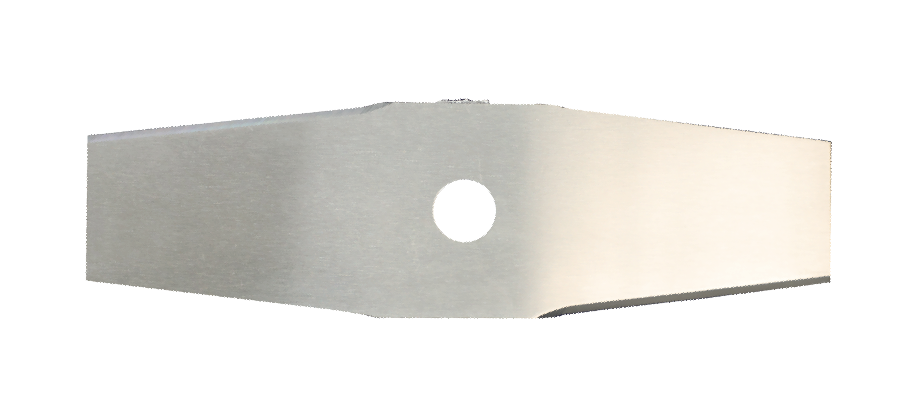
Blade performance depends on cutting edge angle, air-lift geometry, and static or dynamic balance. Slight deviations cause vibration, uneven cutting, and premature spindle wear. Ask how the manufacturer controls grinding parameters and how balance is checked in production, not only in samples.
4. Coating and corrosion resistance
Powder coating, spraying, and other surface treatments affect corrosion resistance and appearance. Buyers should confirm coating thickness, adhesion testing, and salt-spray expectations where relevant. Coating quality also varies with pre-treatment cleaning and deburring, which should be part of the same controlled line.
5. Capacity and delivery reliability
Custom blade programs usually involve seasonal demand peaks. Confirm annual capacity, typical lead times, and how the supplier schedules repeat orders against new tooling projects. A manufacturer with in-house stamping, grinding, and assembly generally has more flexibility than one coordinating multiple subcontractors.
OEM and ODM: What to Clarify Before Tooling
OEM blade production requires more than a drawing. Before committing to tooling, clarify:
Who owns the tooling, and how is it stored and maintained?What is the sample approval process, and how many iterations are included?
Which dimensions are considered critical-to-quality, and how are they measured?
What packaging, labeling, and barcode requirements apply?
How are engineering changes handled after mass production begins?
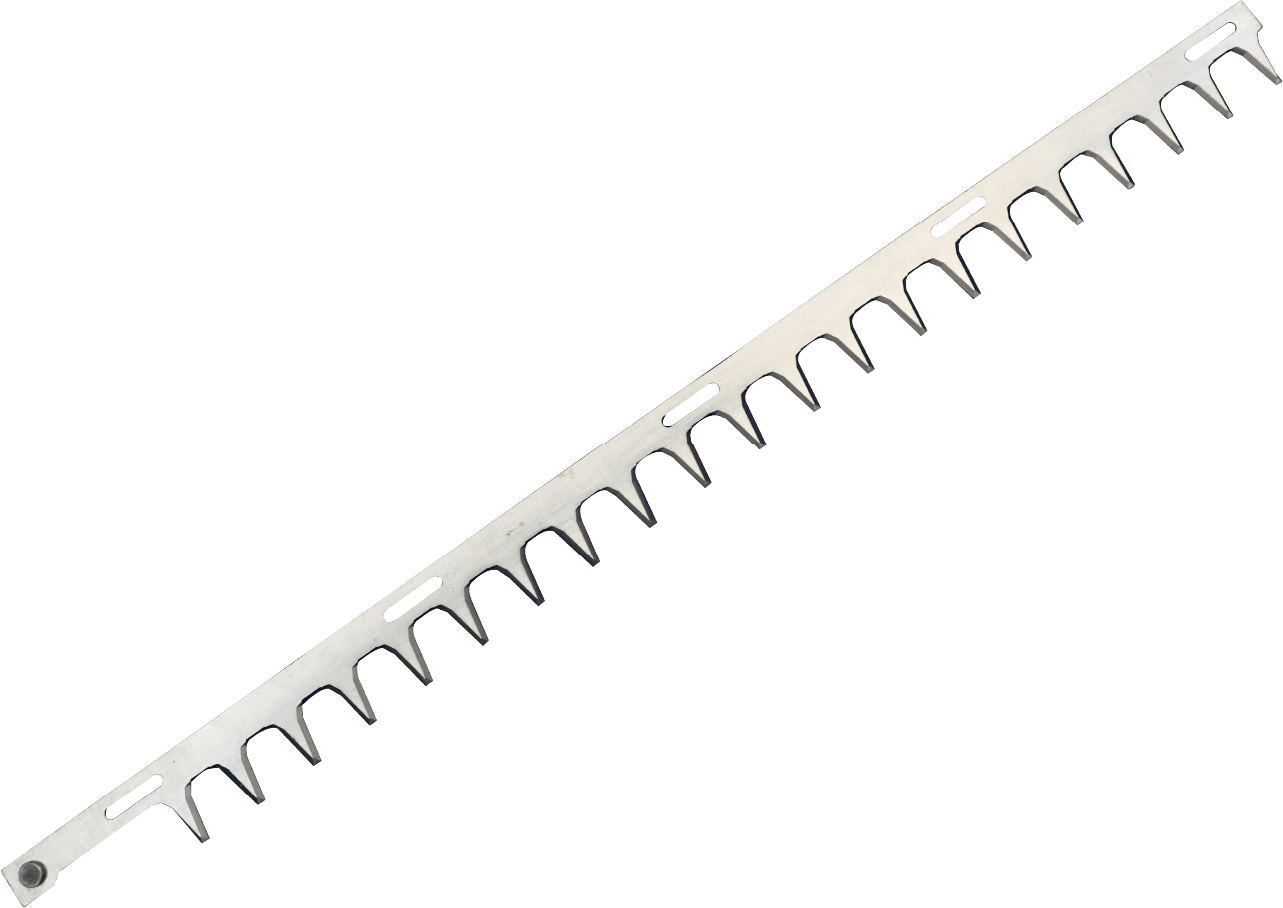
Wisdom Mechanical supports customized manufacturing for garden tool, hardware tool, and power tool customers, including hedge trimmer blades, power tool blades, and related cutting components. Suppliers with this kind of multi-category experience often understand cross-application requirements better than single-line workshops.
Common Mistakes Buyers Make
Choosing on unit price alone. A lower quotation frequently reflects thinner material, reduced heat treatment control, or outsourced grinding. These savings typically reappear as field failures.
Approving samples without production data. A good sample proves capability, not consistency. Ask for hardness records, dimensional reports, and coating checks from a production lot.
Ignoring the full process chain. Buyers who evaluate only the final assembly supplier may miss that heat treatment or coating is subcontracted with no shared quality system.
Leaving packaging and export requirements to the end. Blade packaging, pallet configuration, labeling, and documentation affect freight cost and shelf readiness. These should be fixed during contract negotiation.
Quality Systems and Supplier Verification
Request evidence of a functioning quality management system, not just a certificate. ISO 9001, ISO 14001, and ISO 45001 certifications indicate documented processes for quality, environment, and occupational health and safety. Social compliance certifications such as BSCI are increasingly requested by European and North American retail buyers.
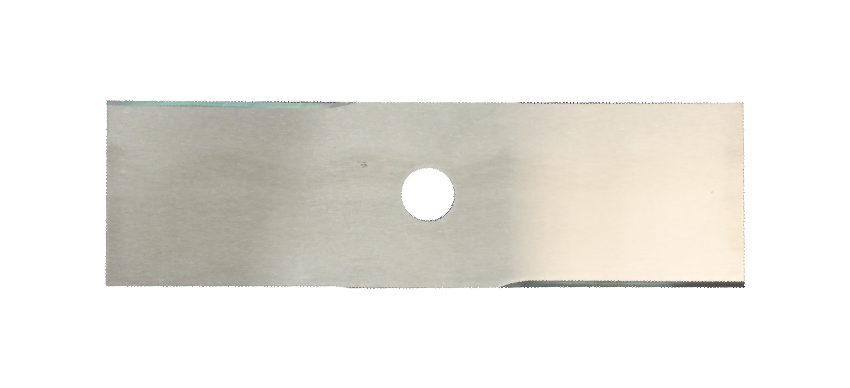
Wisdom Mechanical holds ISO 9001, ISO 14001, ISO 45001, and BSCI certifications, and operates roughly 50,000 square meters of factory space with more than 200 employees and an annual production capacity of approximately 4 million units. These figures are useful benchmarks when comparing whether a supplier can absorb your order volume alongside existing commitments.
Verification should also include a factory audit or video walkthrough covering heat treatment, grinding, coating, and final inspection areas. If a supplier cannot show these processes, the "manufacturer" label deserves scrutiny.
Cost, Delivery, and Export Considerations
Landed cost for custom blades includes material, tooling amortization, heat treatment, coating, packing, and freight. Ask for a cost breakdown by process so you can evaluate where savings are realistic and where they compromise performance.
For international sourcing, confirm Incoterms, documentation support, and experience with your destination market's import requirements. A supplier accustomed to export orders will typically handle commercial invoices, packing lists, and certificate of origin requests more smoothly. Working with an export-oriented manufacturer also reduces the risk of miscommunication on labeling and compliance paperwork.
FAQ
How long does it take to develop a custom lawn mower blade? Timelines depend on design complexity, tooling requirements, and sample iterations. A straightforward blade profile may move from drawing to approved sample in several weeks, while new tooling and coating development take longer. Confirm the schedule in writing, including sample approval stages, before committing to a production date.
What hardness should custom mower blades have? Hardness targets depend on blade type, steel grade, and application. Rather than fixed numbers, agree on a specified range with the supplier and require hardness testing records per lot. Over-hard blades can become brittle, while under-hard blades lose edge retention quickly.
Can a supplier produce both OEM and ODM blades? Yes. Many manufacturers support OEM production to customer drawings as well as ODM development where the supplier contributes design input. Clarify intellectual property ownership, tooling ownership, and exclusivity terms before development begins.
How do I verify quality consistency across repeat orders? Require lot-based inspection records covering material, hardness, dimensions, balance, and coating. Periodic third-party testing and pre-shipment inspections provide additional verification. A supplier with in-house heat treatment and grinding is generally easier to audit than one relying on subcontractors.
Conclusion
Selecting a custom lawn mower blade manufacturer comes down to process control, not marketing claims. Prioritize suppliers that manage heat treatment, grinding, coating, and inspection internally; verify quality systems with records rather than certificates alone; and settle tooling, packaging, and export terms before production starts. Wisdom Mechanical's integrated manufacturing base in Anhui, China, supports OEM and ODM blade programs with in-house processing from material to finished inspection, giving buyers a verifiable starting point for supplier evaluation.