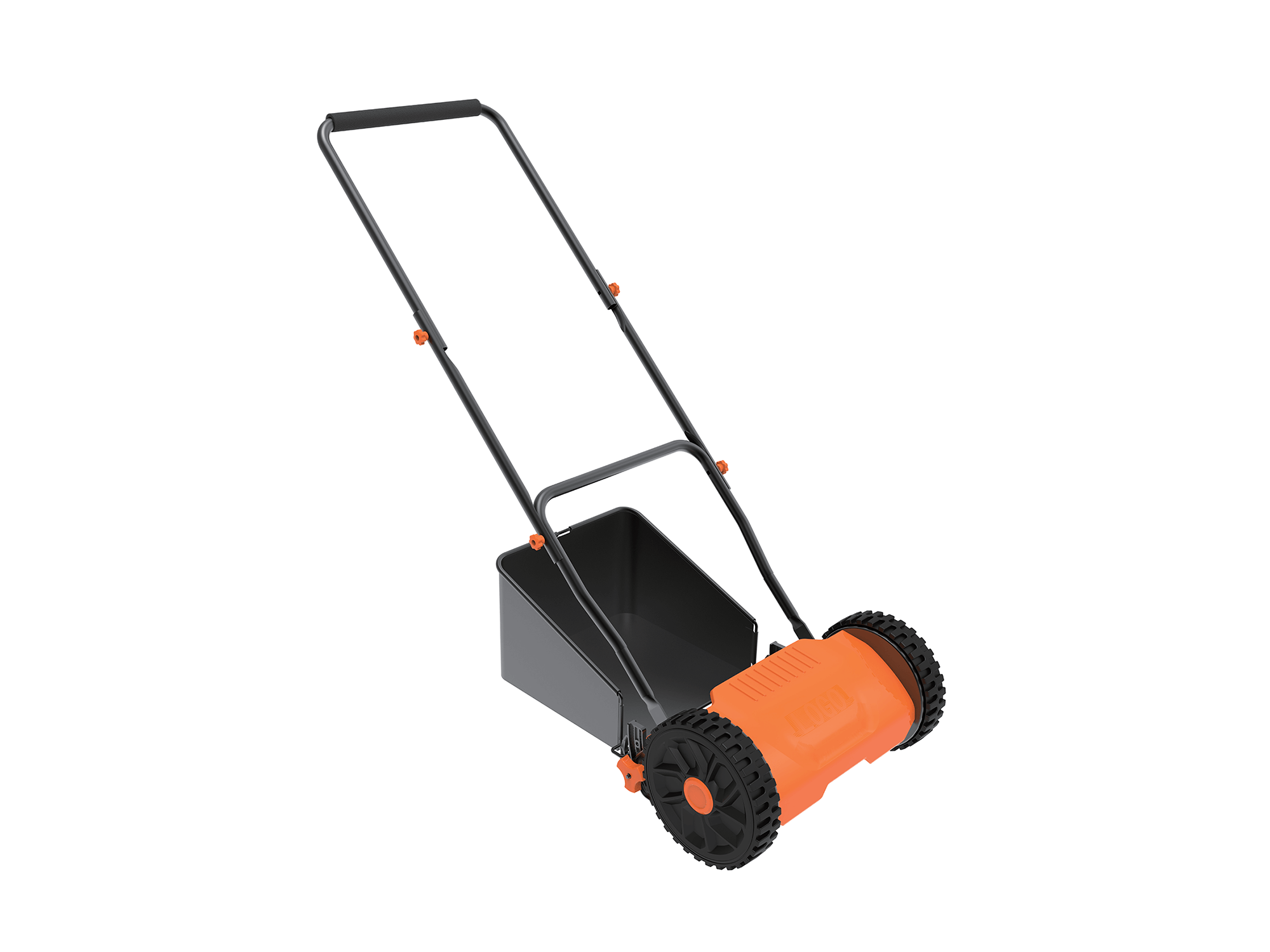
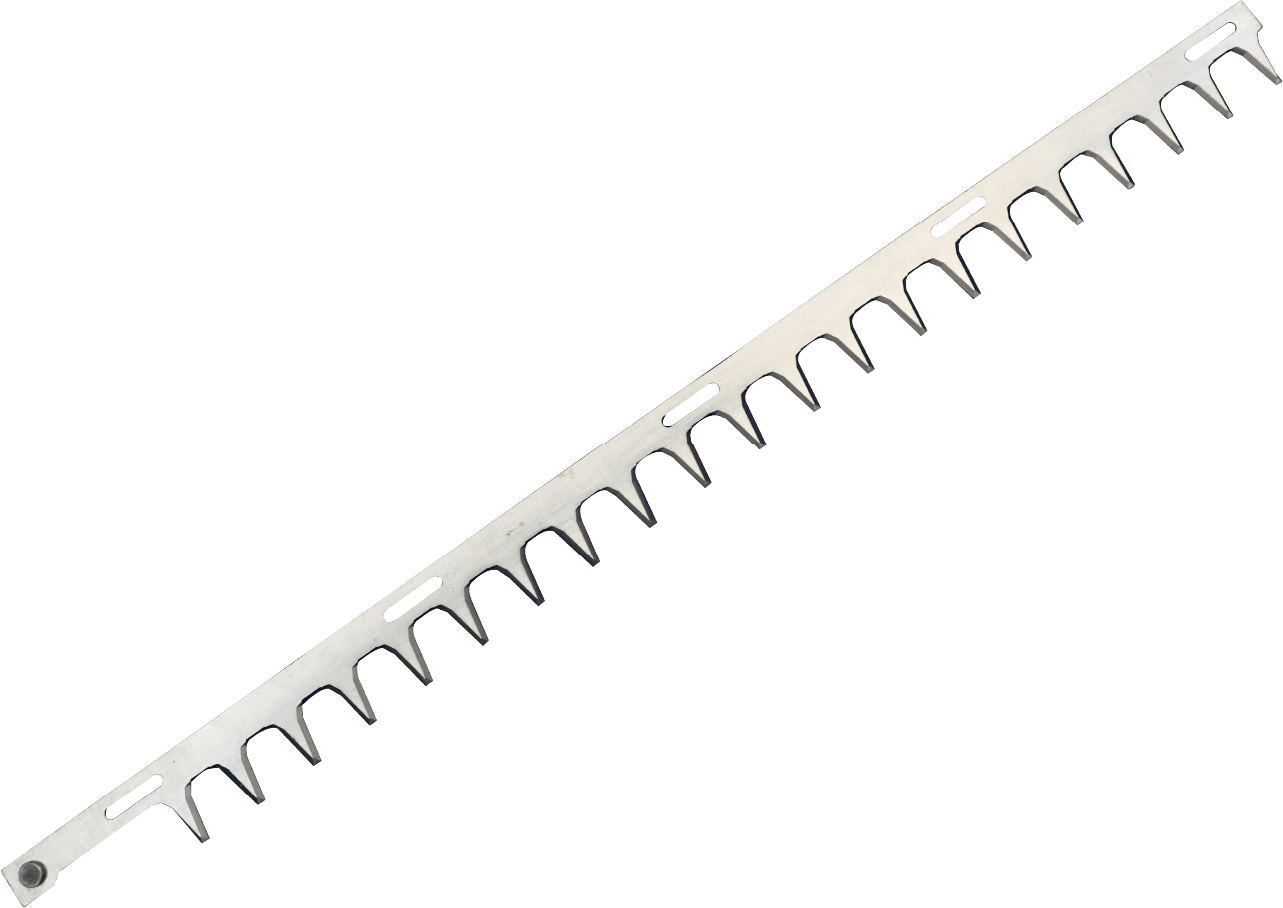
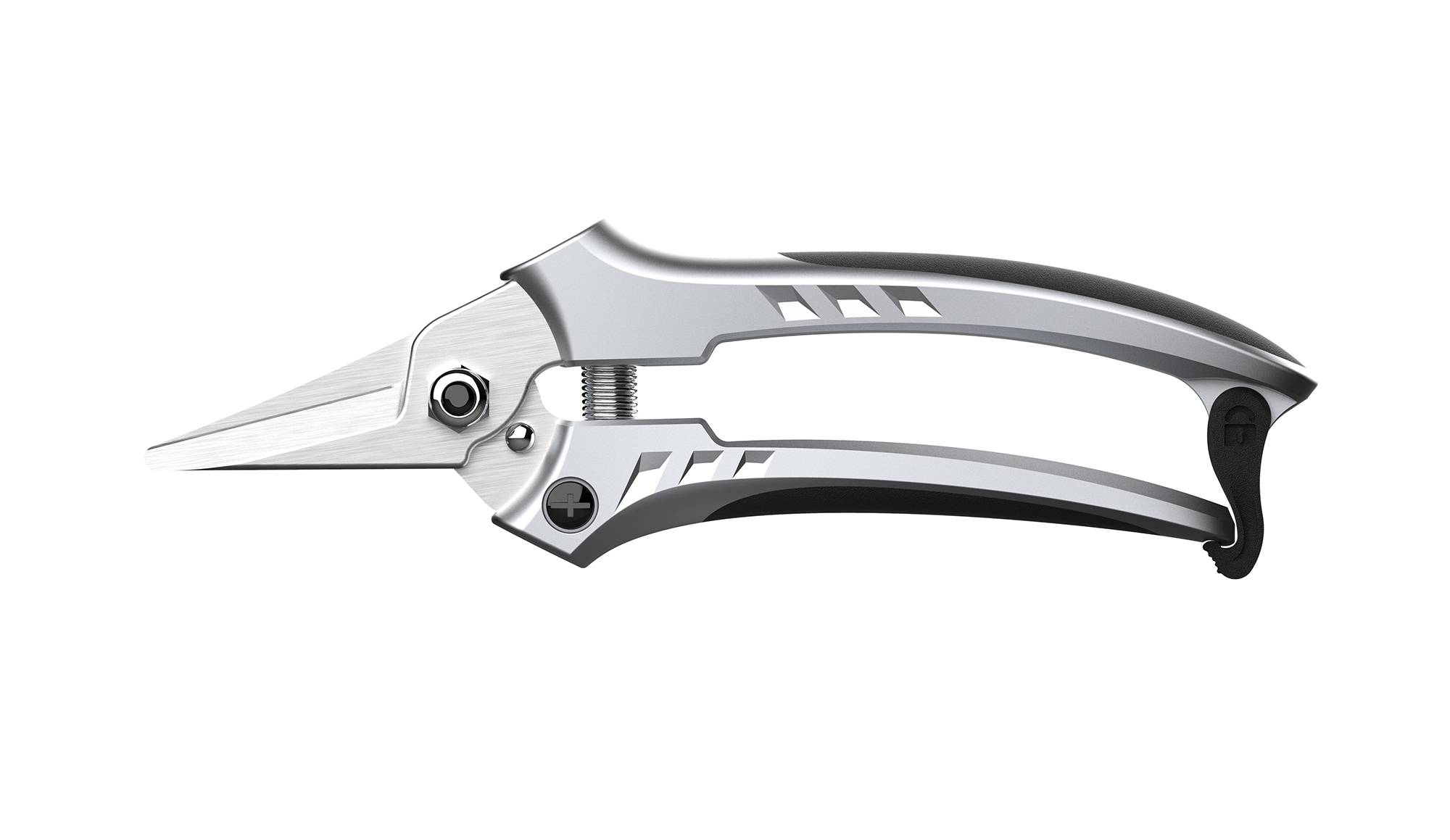
Sourcing lawn mower blades from China has become standard practice for garden equipment brands, importers, and distributors worldwide. The country's manufacturing ecosystem supports competitive pricing, flexible customization, and large production volumes. However, not all suppliers are equal. Differences in material selection, heat treatment discipline, and quality control directly affect blade balance, cutting performance, and product liability exposure.
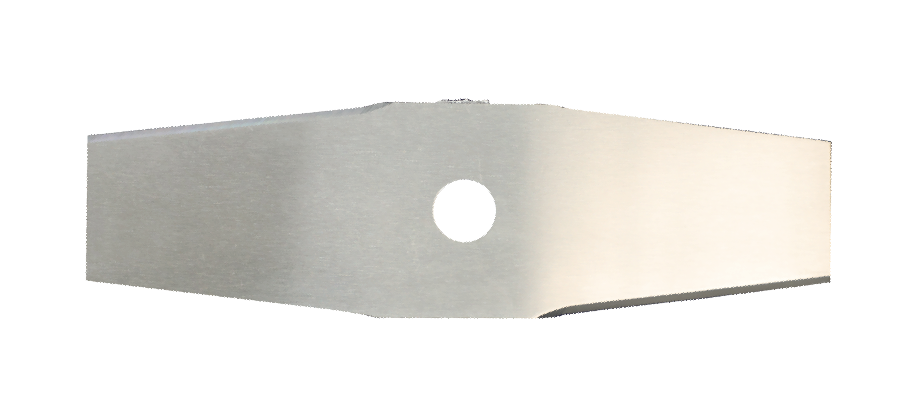
This guide covers what professional buyers should evaluate when selecting a China-based OEM lawn mower blade manufacturer, from technical specifications to supplier qualification and export logistics.
What to Look for in a Manufacturing Partner
Blade quality is determined long before assembly. Three factors matter most:
Material grade and traceability. Most OEM blades use carbon steel (such as 65Mn, 50Mn, or comparable grades) or boron steel. The steel grade affects hardness, wear resistance, and impact toughness. Suppliers should document incoming material batches and offer mill certificates on request.
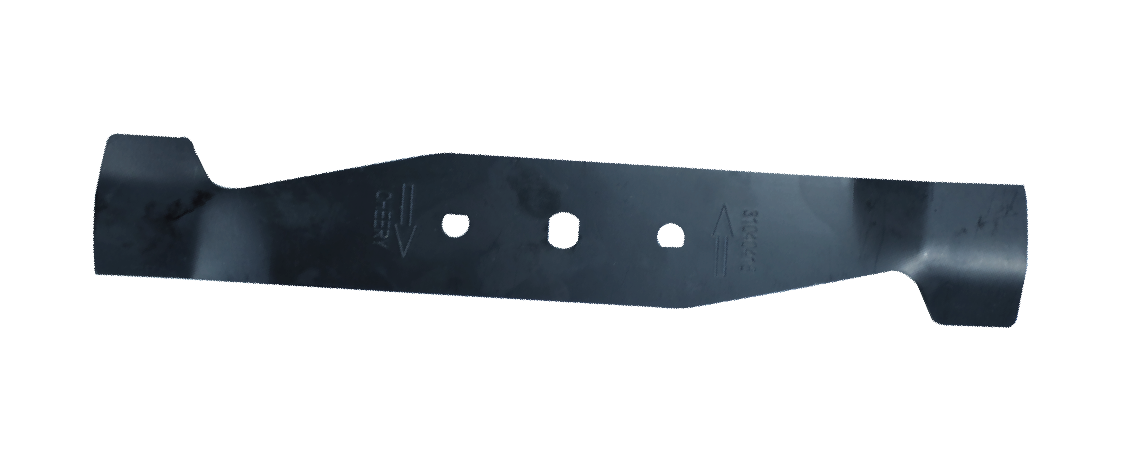
Heat treatment control. This is where many suppliers cut corners. Consistent quenching and tempering produce a blade that holds an edge without becoming brittle. Uneven hardness along the cutting edge leads to rapid dulling, chipping, or cracking in the field—problems that surface after shipment, not before.
Balance and straightness. An unbalanced blade causes vibration, bearing wear, and customer complaints. Reputable factories check blade flatness and weight distribution as part of routine inspection, not only for premium orders.
The Manufacturing Process Behind a Reliable Blade
A mower blade passes through multiple production stages, each affecting the final product. A typical process flow includes:
Material processing – steel coil or plate is cut to size by laser cutting or stamping.Forming – the blade profile, air lift, and mounting hole are shaped.
Tooth or edge grinding – cutting edges are sharpened to defined angles.
Heat treatment – hardening and tempering establish the hardness range.
Surface treatment – coating or spraying provides corrosion resistance.
Assembly and inspection – where applicable, components are assembled and finished products checked.
Factories that control these steps in-house reduce the risk of quality gaps between outsourced processes. Anhui Wisdom Mechanical Technology Co., Ltd., for example, operates an integrated production chain covering laser cutting, stamping, tooth grinding, heat treatment, surface coating, and assembly within its Anhui facility. This structure supports batch-to-batch consistency, which matters more in OEM programs than sample quality alone.
Key Factors When Evaluating Suppliers
1. Manufacturing Depth
Ask whether heat treatment, grinding, and surface treatment are performed internally or subcontracted. Integrated suppliers typically offer better delivery reliability and clearer accountability when issues arise.
2. Quality Management Systems
Certifications such as ISO 9001 indicate a documented quality system, while ISO 14001 and ISO 45001 reflect environmental and occupational health management. For buyers serving European or North American retail channels, BSCI social responsibility audits may also be required. Verify certificates directly rather than relying on scanned copies.
3. Customization and OEM/ODM Capability
Blade dimensions, hole patterns, air-lift profiles, and coatings vary by mower brand and model. Confirm the supplier can work from drawings, samples, or reverse-engineered parts, and clarify who owns tooling and mold costs. Suppliers with in-house R&D resources can often adjust designs for weight reduction, discharge performance, or extended wear life.
4. Production Capacity and Lead Times
Annual capacity, available production lines, and staffing levels indicate whether a supplier can handle seasonal peaks. Garden tool demand concentrates in spring, so confirm the factory's peak-season scheduling and material stocking strategy before committing to delivery windows.
5. Export Experience
Suppliers familiar with international shipping handle export documentation, packaging requirements, container loading plans, and labelling standards more efficiently. Ask about the markets they currently serve and their experience with retail-ready packaging.
Common Sourcing Mistakes to Avoid
Choosing on unit price alone. A lower quote often reflects thinner material, reduced heat treatment time, or skipped balance checks. These savings reappear as warranty claims and returns.
Skipping sample verification. Always request pre-production samples and test them for hardness, balance, and cutting performance before approving mass production.
Overlooking packaging requirements. Retail packaging, barcodes, carton strength, and pallet configuration should be specified in writing. Packaging errors can delay retail launches.
Ignoring communication processes. Clear engineering communication and responsive project management matter as much as factory capability. A supplier that cannot answer technical questions promptly will struggle during production troubleshooting.
OEM Workflow: From Drawing to Delivery
A structured OEM process reduces risk:
Specification review – buyer provides drawings, samples, or performance requirements.Feasibility and quotation – supplier confirms material, process, tooling, MOQ, and price.
Sampling – prototypes are produced, tested, and approved.
Mass production – with in-process inspection and final quality checks.
Packaging and export – compliant packing, labelling, and shipping documentation.
Wisdom Mechanical supports OEM and ODM programs for garden tool and power tool customers, offering processes such as heat treatment, laser cutting, metal stamping, tooth grinding, injection molding, aluminum die casting, and automated assembly. Its parent company, Ningbo Chuangyue Garden Tools Co., Ltd., is recognized as a national-level "Little Giant" specialized and innovative enterprise, which provides additional R&D and manufacturing resources. For buyers, this translates into a supply partner capable of handling both blade fabrication and related garden tool components under one roof.
Why China Remains a Practical Sourcing Base
China's advantage is not simply cost—it is depth. Suppliers can access consistent raw materials, tooling, and surface treatment services within a short radius, supporting faster development cycles. Export-oriented manufacturers already comply with common international requirements and understand the documentation and packaging expectations of overseas buyers.
For buyers in Europe, North America, and Australia, working with an experienced China-based OEM partner can shorten development timelines while maintaining quality standards. The key is supplier selection and process verification, not geography.
FAQ
What steel is typically used for OEM lawn mower blades? Carbon steels such as 65Mn, 50Mn, and boron steel are common. The choice depends on hardness targets, impact resistance, and cost. Suppliers should confirm the grade and provide material certificates when requested.
How do I verify heat treatment quality? Request hardness testing reports and check for consistent values across samples. Hardness should fall within a specified range—too hard causes brittleness, too soft causes rapid dulling.
What is a typical MOQ for custom blades? MOQs vary by supplier, tooling requirements, and material. For custom profiles, expect higher minimums than for standard sizes. Confirm MOQ, tooling cost, and sample lead time in writing.
Can suppliers handle retail packaging? Many export-oriented factories offer retail-ready packaging, including printed cartons, barcodes, and labelling. Specify requirements during quotation so packaging costs and lead times are included.
Conclusion
Choosing an OEM lawn mower blade manufacturer in China comes down to process control, not promises. Verify material grades, heat treatment consistency, balance checks, and quality systems before placing volume orders. Prioritize suppliers with integrated manufacturing, OEM/ODM experience, and a clear export track record. Companies like Wisdom Mechanical demonstrate how a complete production chain—from steel processing to final inspection—supports stable quality across large orders. Buyers who invest time in supplier qualification early avoid costly rework later.