Orchard profitability depends on how quickly and cleanly workers can prune. A dull or poorly aligned fruit tree pruner slows every crew, raises labor costs, and can damage trees through ragged cuts that invite disease. For buyers sourcing orchard equipment, the real challenge is finding a supplier that can deliver consistent quality across repeat orders, not just a good first sample.
This guide covers what to evaluate in fruit tree pruner suppliers, the specifications that matter for orchard work, and how to structure a sourcing process that reduces risk.
What Orchard Buyers Actually Need from a Pruner Supplier
Orchard pruning differs from home gardening. Crews work long shifts during tight seasonal windows, cutting branches from roughly 10 mm to 40 mm depending on tree age and species. Equipment must survive thousands of cuts per day, and replacement parts must match the original specification exactly.
That creates three requirements. First, dimensional and metallurgical consistency across production batches, so a replacement blade fits the same housing months later. Second, enough production capacity to handle seasonal order spikes before pruning windows open. Third, a supplier able to adjust specifications for different tree varieties, cutting diameters, and regional harvesting practices.
Buyers who treat pruners as a commodity item often discover the cost of inconsistency later, when replacement blades no longer align or cutting resistance increases after a few weeks of use.
Key Factors When Evaluating Fruit Tree Pruner Suppliers
Manufacturing integration. A supplier that controls heat treatment, stamping, tooth grinding, and surface coating in-house can hold tolerances more reliably than one coordinating multiple subcontractors. Anhui Wisdom Mechanical, for example, operates an integrated chain from material processing through heat treatment, machining, surface treatment, assembly, and finished-product inspection.
Blade material and heat treatment. Cutting performance and edge retention depend heavily on steel grade selection and heat treatment control. Ask how hardness is specified and verified, and whether batch records are traceable.
Customization capability. Different markets prefer different handle materials, grip designs, blade coatings, and cutting geometries. Suppliers with injection molding, aluminum die casting, and stamping capabilities can support OEM and ODM projects without long development cycles.
Quality management systems. Certifications such as ISO 9001 indicate a documented quality system. BSCI certification matters for buyers with social compliance requirements in retail supply chains.
Capacity and delivery reliability. Annual capacity, factory footprint, and workforce size indicate whether a supplier can absorb volume growth. Roughly 50,000 square meters of factory space and an annual capacity around 4 million units provide a reference point for mid-to-large programs.
Product Types and Specifications to Compare
Fruit tree pruning covers several tool categories, and most orchard operations use more than one:
Pruning saws for branches beyond shear capacity, where tooth geometry and blade replacement matter.
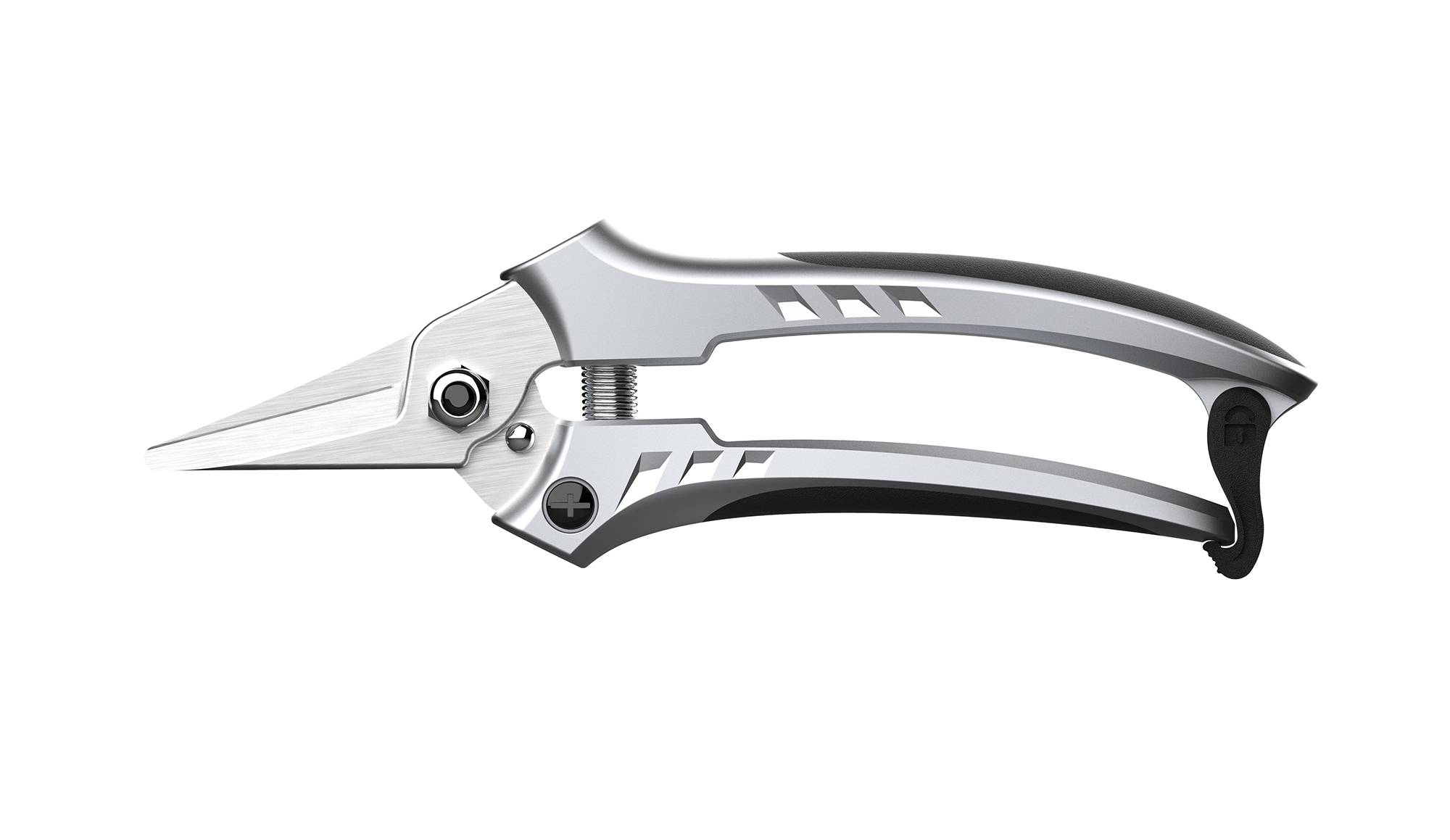
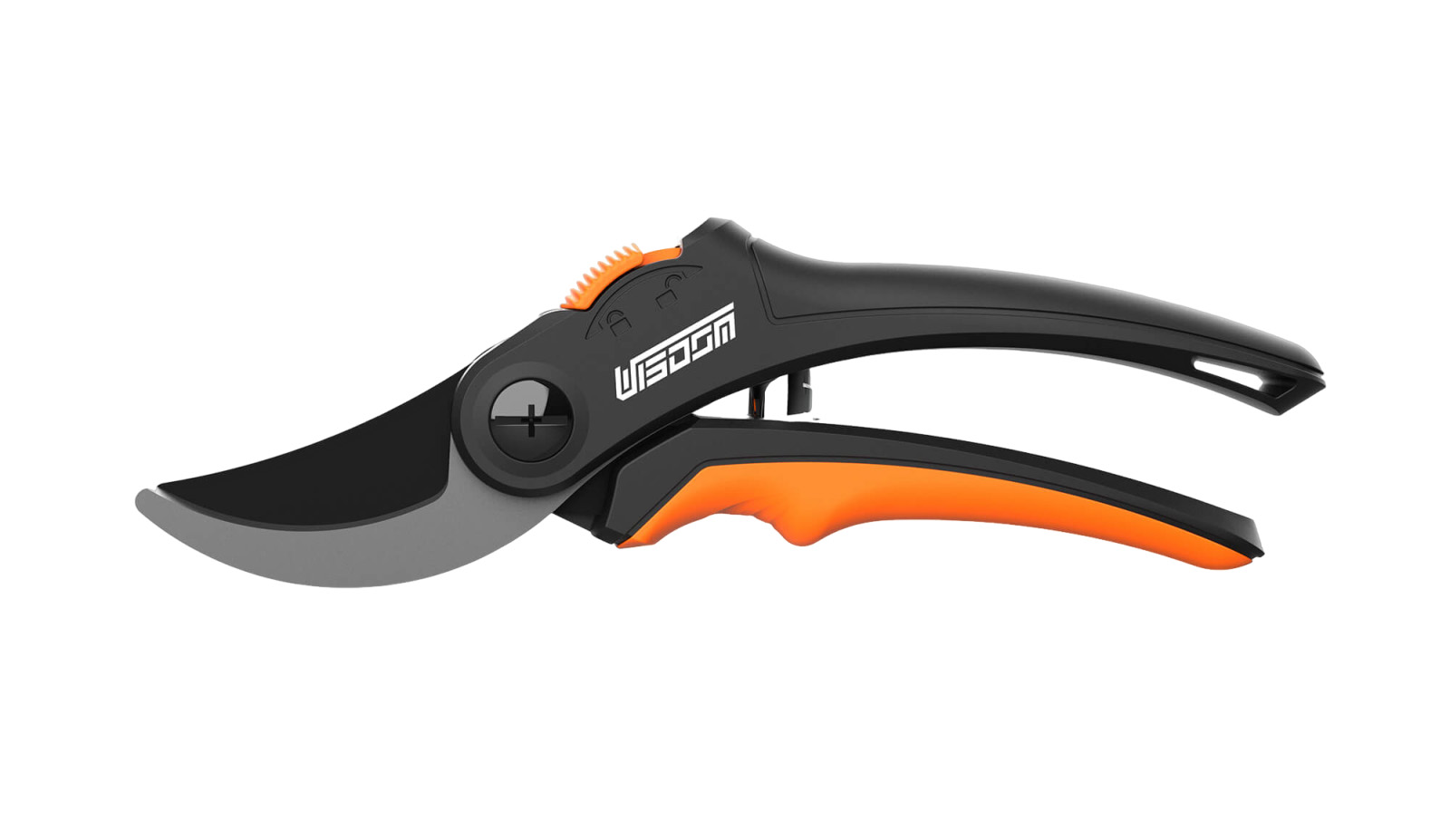
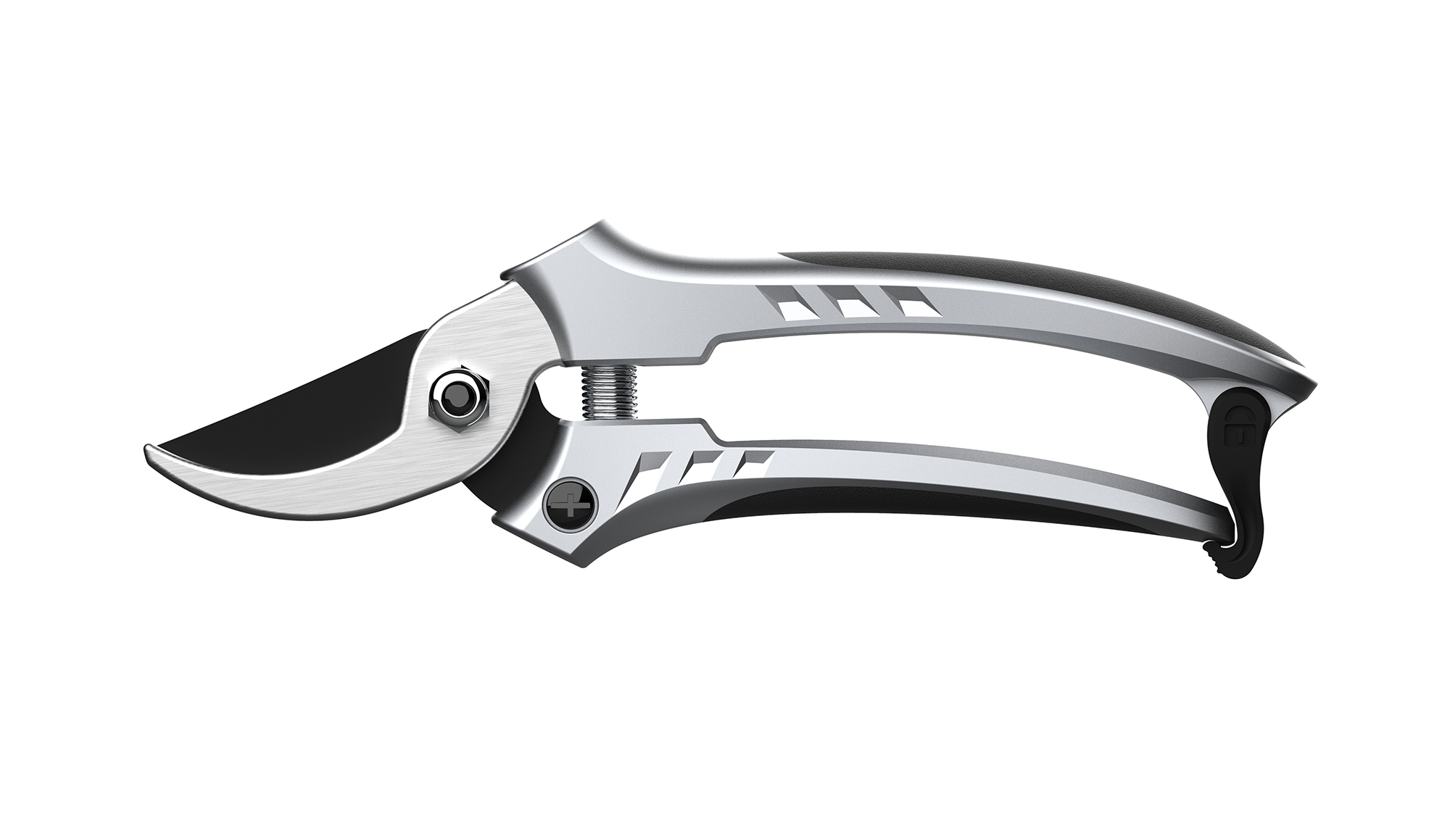
Hedge shears and pruning shears for lighter selective cuts and shape maintenance.
Long-reach pruners and pruning saws for high canopy work without ladders.
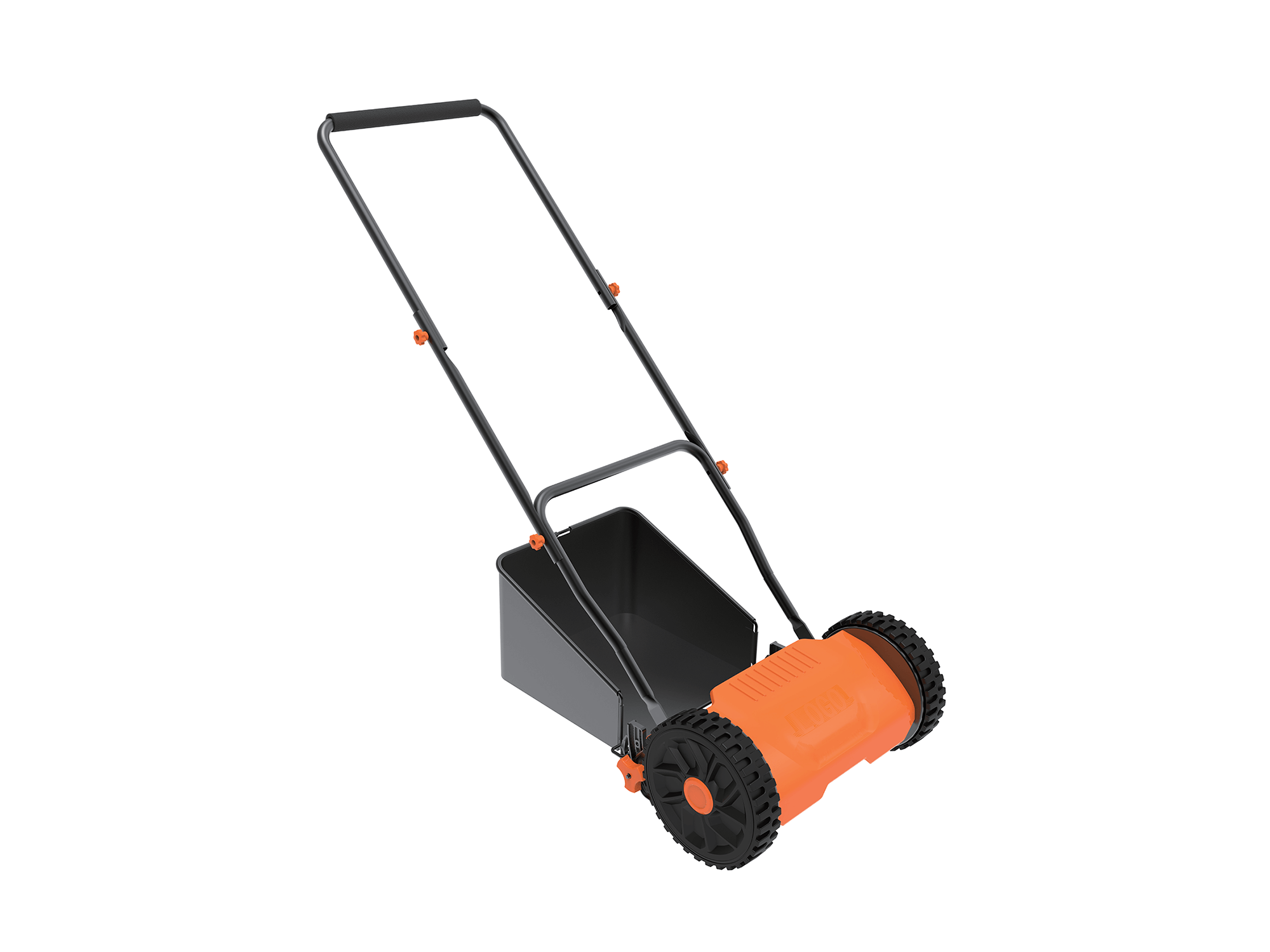
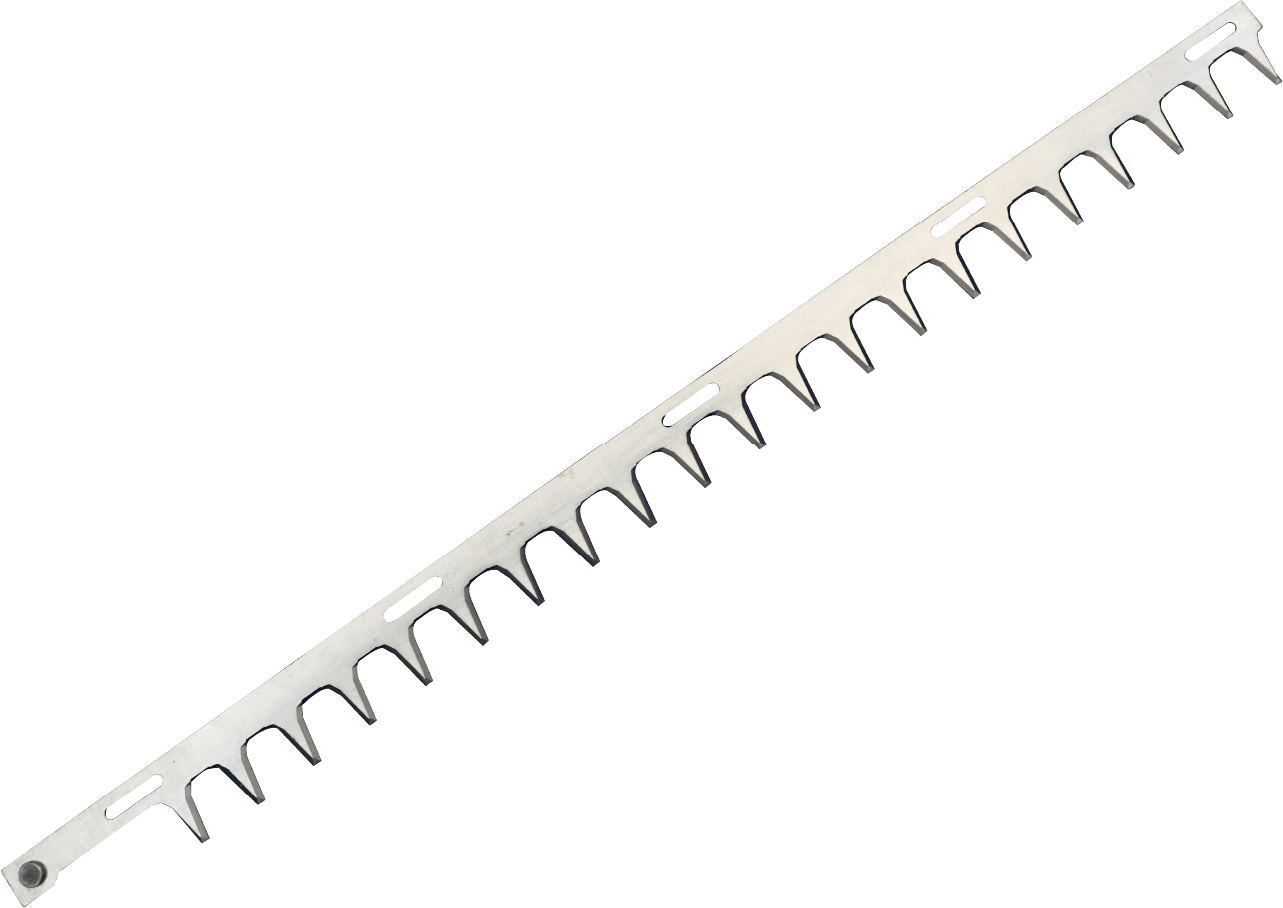
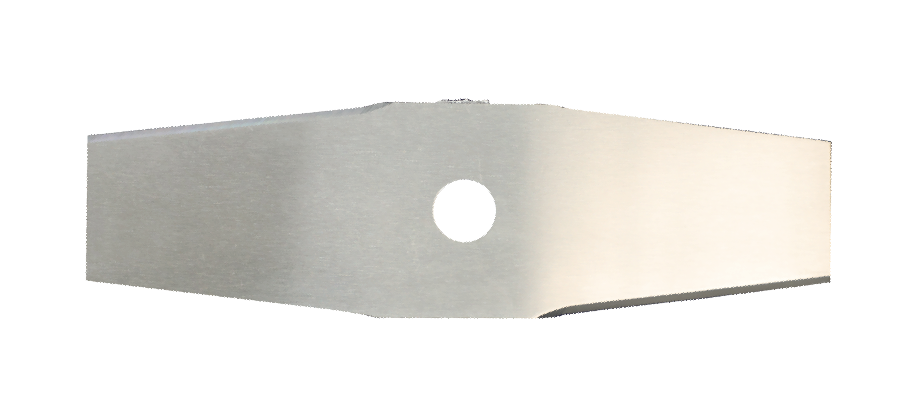
Hedge trimmer blades and power tool blades for operations using powered equipment.
When comparing quotes, standardize on blade material, hardness range, cutting capacity, handle material, coating type, and packaging. A lower unit price with thinner blade stock or reduced heat treatment often costs more over a season through replacements and lost productivity.
A Practical Sourcing Process
Start with a written specification covering dimensions, materials, hardness, coating, and functional tests. Request samples from two or three suppliers and run them under real orchard conditions for at least several weeks.
During evaluation, request process documentation rather than only finished samples. Heat treatment records, inspection procedures, and in-process controls reveal more about repeatability than a hand-picked sample.
Then verify commercial terms: minimum order quantities, lead times by season, packaging standards, labeling requirements, and spare parts availability. Confirm which party handles tooling costs for custom designs and how design ownership is documented.
Finally, place a pilot order at production scale before committing to annual volume. Pilot orders surface issues in packaging, labeling, and batch consistency that sample evaluation cannot.
Common Sourcing Mistakes
Evaluating samples only. A sample proves a supplier can produce one good unit, not that it can reproduce it across 50,000 units.
Ignoring seasonal timing. Pruning demand peaks before growing seasons. Ordering too late compresses production and shipping, increasing the risk of air freight costs or missed windows.
Overlooking replacement parts. Pruners are consumable in practice. Confirm blade and spring availability before committing.
Choosing on price alone. Low-cost quotations frequently reflect thinner materials or skipped heat treatment steps.
FAQ
What should I check first when qualifying a fruit tree pruner supplier? Start with manufacturing integration and quality system documentation. A supplier controlling heat treatment, machining, and surface treatment in-house can maintain tolerances more consistently. Request process records and batch traceability, then confirm capacity against your seasonal volume requirements before discussing price.
How do I verify blade quality before placing a large order? Request hardness test data and material certificates, then test samples under real cutting conditions. Check edge retention after extended use, coating adhesion, and whether replacement blades align correctly with the housing. Pilot orders at production scale confirm consistency better than sample evaluation alone.
Can suppliers customize pruners for my market? Many established manufacturers offer OEM and ODM services, including custom handle designs, blade geometry, coatings, and branding. Confirm tooling costs, design ownership, development lead times, and minimum order quantities for custom specifications. Injection molding and die casting capabilities allow broader design flexibility.
What certifications matter for orchard tool suppliers? ISO 9001 confirms a documented quality management system. ISO 14001 and ISO 45001 cover environmental and occupational safety management. BSCI certification supports social compliance requirements common in European and North American retail supply chains. Match certifications to your destination market requirements.
Conclusion
Sourcing fruit tree pruners is a specification and verification exercise, not a price comparison. Define blade material, hardness, cutting capacity, and packaging clearly, then evaluate suppliers on manufacturing integration, quality systems, and capacity rather than samples alone. Suppliers such as Wisdom Mechanical that combine in-house heat treatment, machining, and assembly with OEM and ODM support can reduce consistency risk across repeat orders. Pilot production before scaling, and confirm replacement part availability to protect your orchard operations through every pruning season.