China supplies a significant share of the world's garden hand tools, and handheld pruners are among the most technically demanding products in that category. For importers, distributors, and professional tool brands, choosing the right Chinese manufacturer is not simply a matter of comparing unit prices. Blade hardness, cutting geometry, spring durability, and coating quality all determine whether a pruner performs for years or fails within a season.
This guide outlines what professional buyers should evaluate when sourcing handheld pruners from China, from material specifications to supplier manufacturing depth.
What Separates Professional-Grade Pruners from Consumer Models
The differences between a professional pruner and a budget consumer model come down to a few measurable factors:
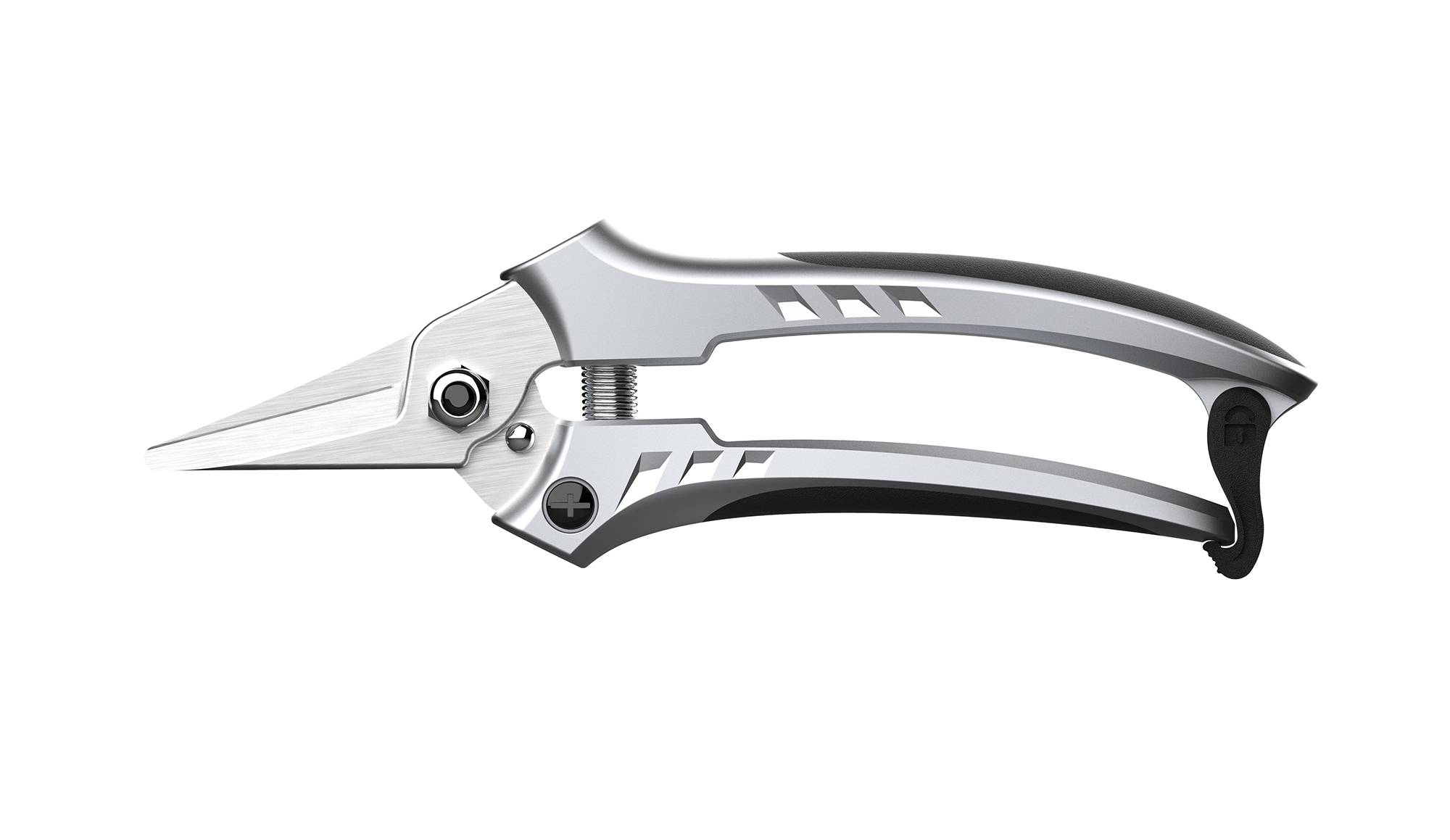
Blade material and hardness. Professional pruners typically use high-carbon steel or SK5 steel, with heat treatment bringing blade hardness to roughly 52–58 HRC. Blades that are too soft deform under repeated cutting; blades that are too hard become brittle and chip.Cutting geometry. Bypass pruners rely on a curved blade passing a hooked counter-blade with minimal gap. Anvil pruners crush rather than slice, which is why they suit dry wood better than green stems.
Spring and pivot quality. A return spring that loses tension after a few thousand cycles turns a good pruner into a frustrating one. Pivot rivets and bushings must resist wear and lateral play.
Surface treatment. Chrome plating, nickel plating, or PTFE coatings improve corrosion resistance and reduce friction. Poor coating adhesion leads to flaking, especially in humid storage or coastal markets.
For professional use in landscaping, orchards, and vineyards, buyers should specify hardness ranges, cutting capacity in millimeters, and coating standards in the purchase agreement rather than relying on catalog descriptions alone.
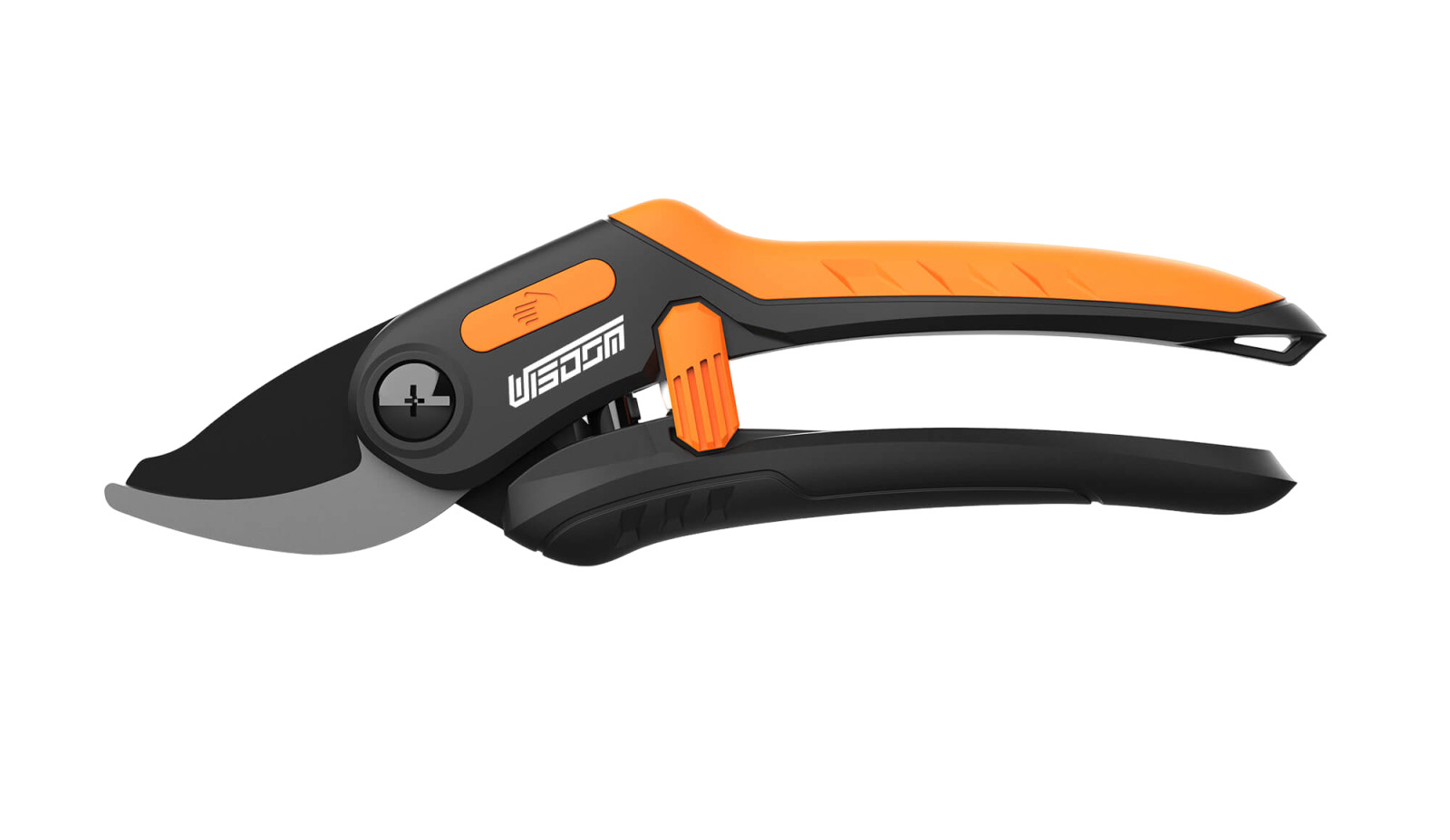
Core Manufacturing Processes That Determine Pruner Quality
A pruner passes through many production steps, and quality is built at each one. Understanding the process helps buyers ask the right questions during supplier evaluation.
Heat treatment is the most critical stage. Inconsistent furnace temperature or quenching control produces blades with variable hardness within the same batch. Suppliers should be able to describe their heat treatment method and demonstrate batch-level hardness testing.
Blade grinding and tooth geometry affect cutting efficiency. Precision grinding keeps the cutting edge sharp and the blade-to-counterblade gap consistent. This is where manufacturers with in-house tooth grinding and CNC machining hold an advantage over assemblers that outsource blade production.
Surface treatment and coating protect against rust, particularly for export markets with high humidity. Electroplating, spraying, and PTFE coating each suit different price points and performance expectations.
Assembly and inspection determine consistency at scale. Springs, locking mechanisms, and handles must fit correctly across thousands of units, not just prototypes.
A manufacturer with an integrated production chain—covering material processing, heat treatment, machining, surface treatment, and assembly—can control these variables instead of depending on multiple external suppliers. Anhui Wisdom Mechanical Technology Co., Ltd., for example, operates this type of integrated system for cutting tools and garden hand tools, which supports batch consistency and delivery stability for export orders.
How to Evaluate a Chinese Pruner Supplier
Beyond price lists, buyers should assess suppliers across several dimensions:
Manufacturing depth. Does the factory perform heat treatment, grinding, stamping, and coating in-house? Integrated manufacturers are generally easier to hold accountable for quality issues than trading companies coordinating several workshops.Quality management systems. ISO 9001 certification indicates a documented quality system. ISO 14001 and ISO 45001 reflect environmental and occupational health management, which increasingly matter to European and North American buyers with supply chain compliance requirements. BSCI certification supports social responsibility audits common in retail supply chains.
Customization and OEM/ODM capability. Can the supplier adjust blade hardness, handle material, logo engraving, and packaging? Professional brands often need proprietary specifications, and manufacturers with in-house R&D and tooling can respond faster.
Testing and documentation. Ask for hardness test reports, salt spray test results for coatings, and cycle testing data for springs and locking mechanisms.
Sample evaluation. Always test samples against your own performance criteria—cutting green and dry wood, repeated cycling, and corrosion exposure—before committing to volume orders.
Common Sourcing Mistakes to Avoid
Buying on unit price alone. A lower quote often reflects thinner blades, softer heat treatment, or skipped coating steps. The savings disappear when return rates rise.
Skipping specification documents. Verbal agreements about steel grade or hardness leave no basis for inspection or dispute resolution.
Ignoring packaging and export requirements. Retail-ready packaging, barcodes, hang tags, and carton drop-test standards vary by market. Clarify these before production, not after.
Overlooking delivery reliability. A supplier that cannot maintain stable output during peak season creates stockouts. Confirm realistic lead times and production capacity relative to your order volume.
Customization, OEM, and Export Considerations
Most professional buyers eventually need customized pruners—specific blade shapes for vineyard work, ergonomic handles for extended use, or branded packaging for retail. OEM and ODM projects require a supplier with in-house design support, tooling capability, and process flexibility.
Export experience also matters. Suppliers familiar with international shipping, documentation, and major market standards can reduce friction in logistics and compliance. Wisdom Mechanical, based in Anqing, Anhui Province, was established as an export-oriented manufacturer and serves global garden tool and hardware customers, which means its production planning already accounts for international order cycles and packaging requirements.
FAQ
What steel is best for professional pruner blades?
High-carbon steel and SK5 are common choices for professional-grade pruners. What matters more than the steel name is heat treatment quality—consistent hardness in the 52–58 HRC range balances edge retention and toughness. Ask suppliers for batch hardness test data rather than relying on material claims alone.
How do I verify pruner quality before placing a bulk order?
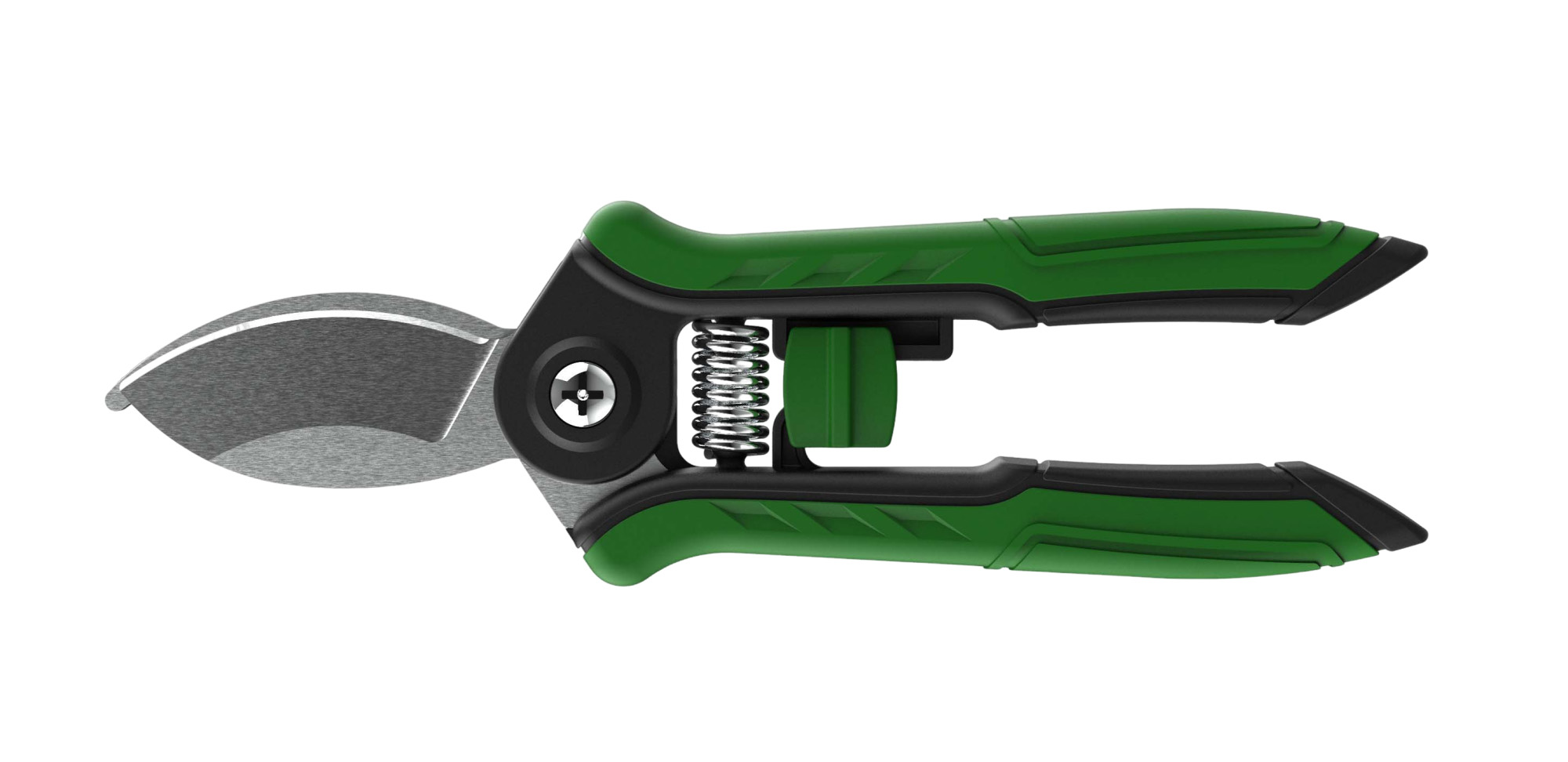
Request samples and test them against your own criteria: cutting green and dry branches, repeated open-close cycles, and corrosion exposure. Also request hardness reports, coating test results, and quality inspection procedures. A supplier that provides documentation openly is usually more reliable.
Can Chinese manufacturers produce OEM pruners with my brand?
Yes. Many manufacturers offer OEM and ODM services, including blade customization, handle changes, logo printing, and retail packaging. Confirm tooling costs, minimum order quantities, and development timelines in writing before the project starts.
What certifications should a pruner supplier have?
ISO 9001 is the baseline for quality management. ISO 14001, ISO 45001, and BSCI are relevant for buyers with environmental, safety, or social compliance requirements. Certification should be verified against the factory's legal entity, not just a trading company's paperwork.
Conclusion
Choosing a handheld pruner manufacturer in China comes down to manufacturing depth, process control, and communication. Buyers who specify blade hardness, coating standards, and packaging requirements—and who verify suppliers through samples and documentation—consistently get better results than those who buy on price alone. An integrated manufacturer with in-house heat treatment, grinding, and assembly capabilities offers the consistency and delivery stability that professional tool programs require. Start with clear specifications, test thoroughly, and build the relationship on verifiable performance.