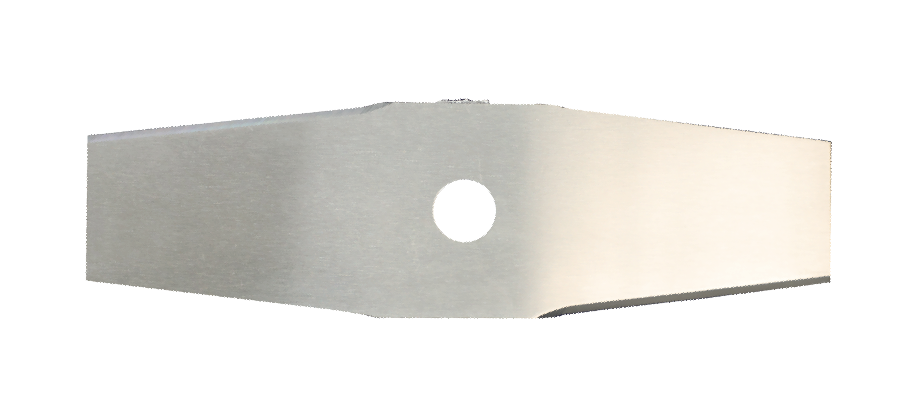
For importers, distributors, and OEM brands, the lawn mower blade is a deceptively simple component. It sits at the sharp end of a machine that spins at high speed, strikes stones, and gets stored in damp sheds. When a blade fails—cracks, chips, bends, or wears out in one season—the customer blames the brand, not the blade. That is why sourcing steel lawn mower blades from the right exporter is a decision about reputation as much as unit cost.
This guide covers what professional buyers should evaluate before placing an order, from material and heat treatment to supplier capability and export logistics.
Why Blade Quality Is a Brand Risk, Not Just a Cost Line
A mower blade is a safety-relevant part. It must hold an edge, resist impact, and stay balanced. Three failure modes matter most:
Premature dulling. Caused by insufficient hardness or the wrong steel grade.Cracking at the bolt hole or cutting edge. Often traced to poor heat treatment or stress concentration.
Bending on impact. Usually a material thickness or tempering issue.
Buyers who treat blades as a commodity often discover the real cost later, through returns, warranty claims, and damaged retail relationships. A blade that survives one season builds trust in the whole mower.
Key Factors When Choosing a Steel Lawn Mower Blade Exporter
1. Material and Heat Treatment Control
Most quality blades use carbon steel or boron steel, selected for hardness and impact resistance. Heat treatment is where suppliers differentiate. Hardness that is too high becomes brittle; too low and the edge rolls over. Ask how the exporter controls furnace parameters, verifies hardness, and documents results per batch.
Wisdom Mechanical, for example, runs heat treatment as an in-house process rather than outsourcing it, which allows tighter control over hardness consistency across large production runs.
2. Manufacturing Depth and Integration
A supplier that stamps blades but outsources heat treatment, coating, and assembly adds coordination risk. An integrated production chain—material processing, laser cutting, stamping, tooth or edge grinding, heat treatment, surface coating, and assembly—reduces handling between stages and shortens lead times.
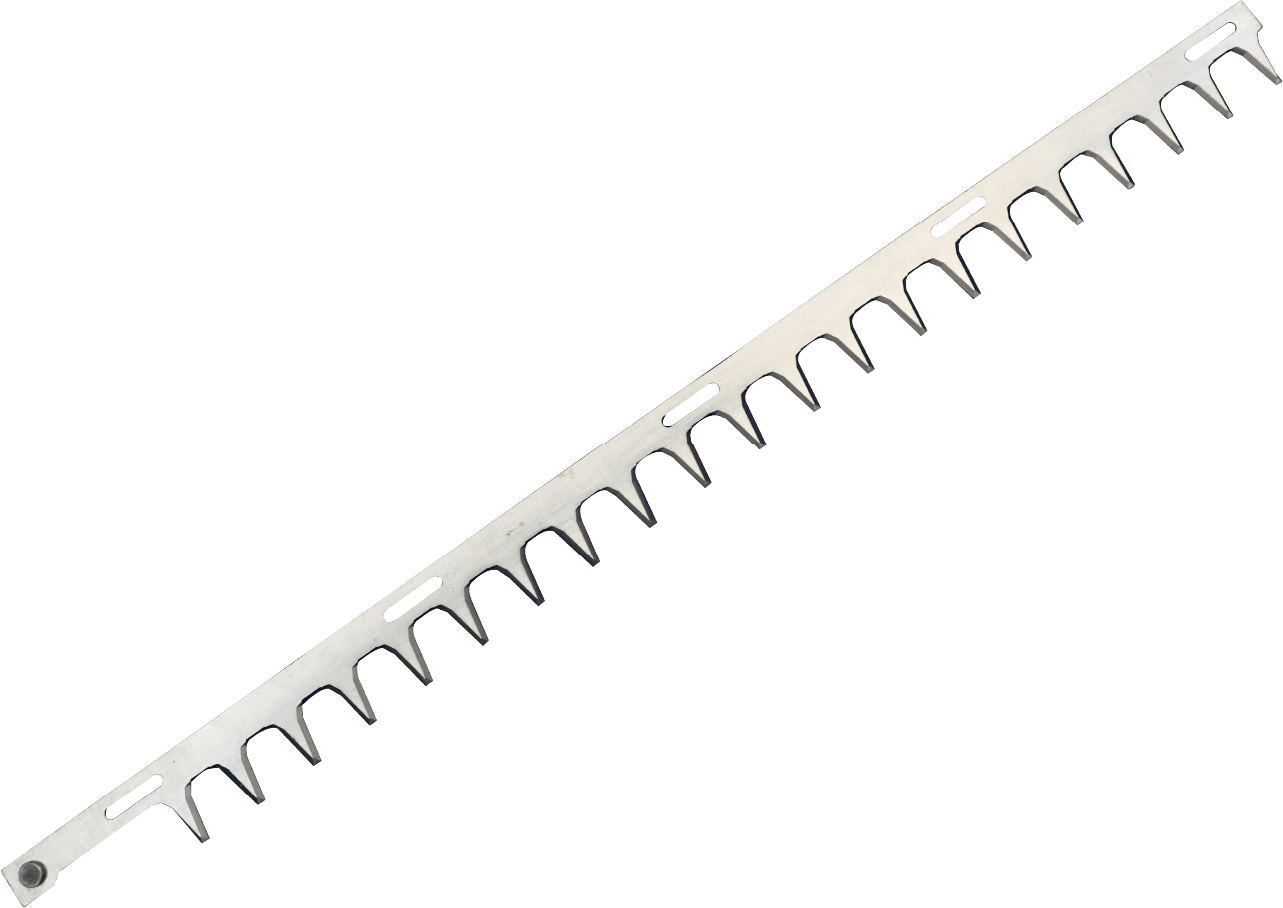
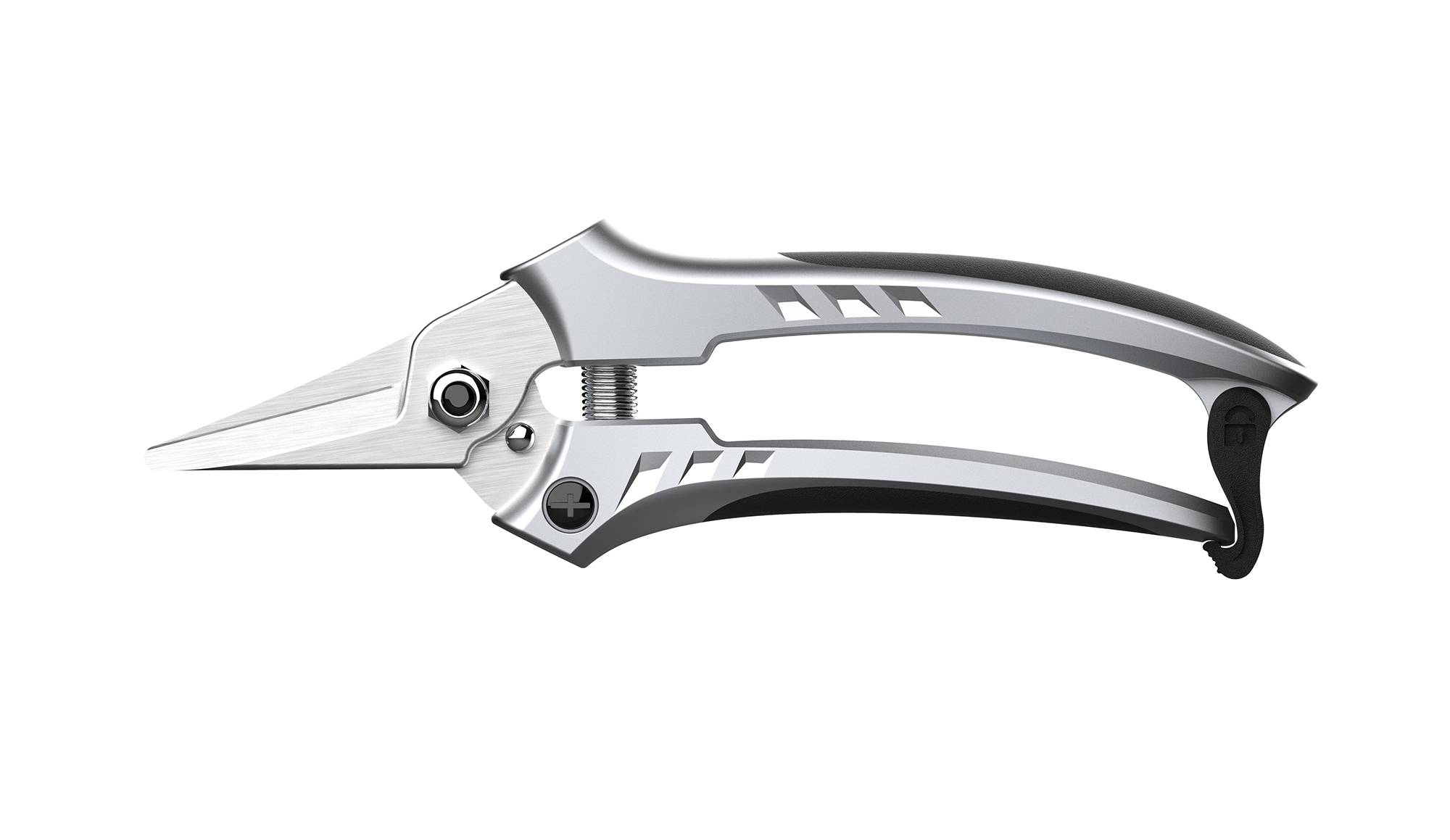
This matters most for buyers ordering mixed product ranges: mower blades alongside hedge trimmer blades, pruning shears, or other garden tool components.
3. Customization and OEM/ODM Capability
Different markets specify different blade lengths, hole patterns, cutting profiles, and coatings. A capable exporter should accept drawings or samples, confirm tolerances, and produce pre-production samples before mass production. Ask directly:
Can you match our hole diameter, center hole type, and blade length?Which surface treatments do you offer for corrosion resistance?
What is your sample lead time and tooling cost?
4. Quality System and Production Capacity
Certification is a baseline filter, not a differentiator. Look for ISO 9001 quality management, ISO 14001 environmental management, and ISO 45001 occupational health and safety systems. For buyers supplying Western retail chains, social compliance such as BSCI also matters.
Capacity should match your order profile. A manufacturer with roughly 50,000 square meters of factory space, 200+ employees, and annual output around 4 million units can typically absorb both trial orders and seasonal peaks, but confirm this against your own forecast.
Common Sourcing Mistakes to Avoid
Buying on unit price alone. Saving a few cents per blade often means thinner material or skipped heat treatment steps.Ignoring balance and straightness. Unbalanced blades create vibration, noise, and customer complaints.
Skipping sample verification. Always test pre-production samples on the actual mower model before committing.
Overlooking export documentation. Confirm packaging, labeling, and carton marking requirements early.
How to Evaluate an Exporter in Practice
Request a sample, a hardness report, and a process flow diagram. Then ask to see the production sequence. Suppliers with genuinely integrated manufacturing can walk you through each stage and explain where quality is checked.
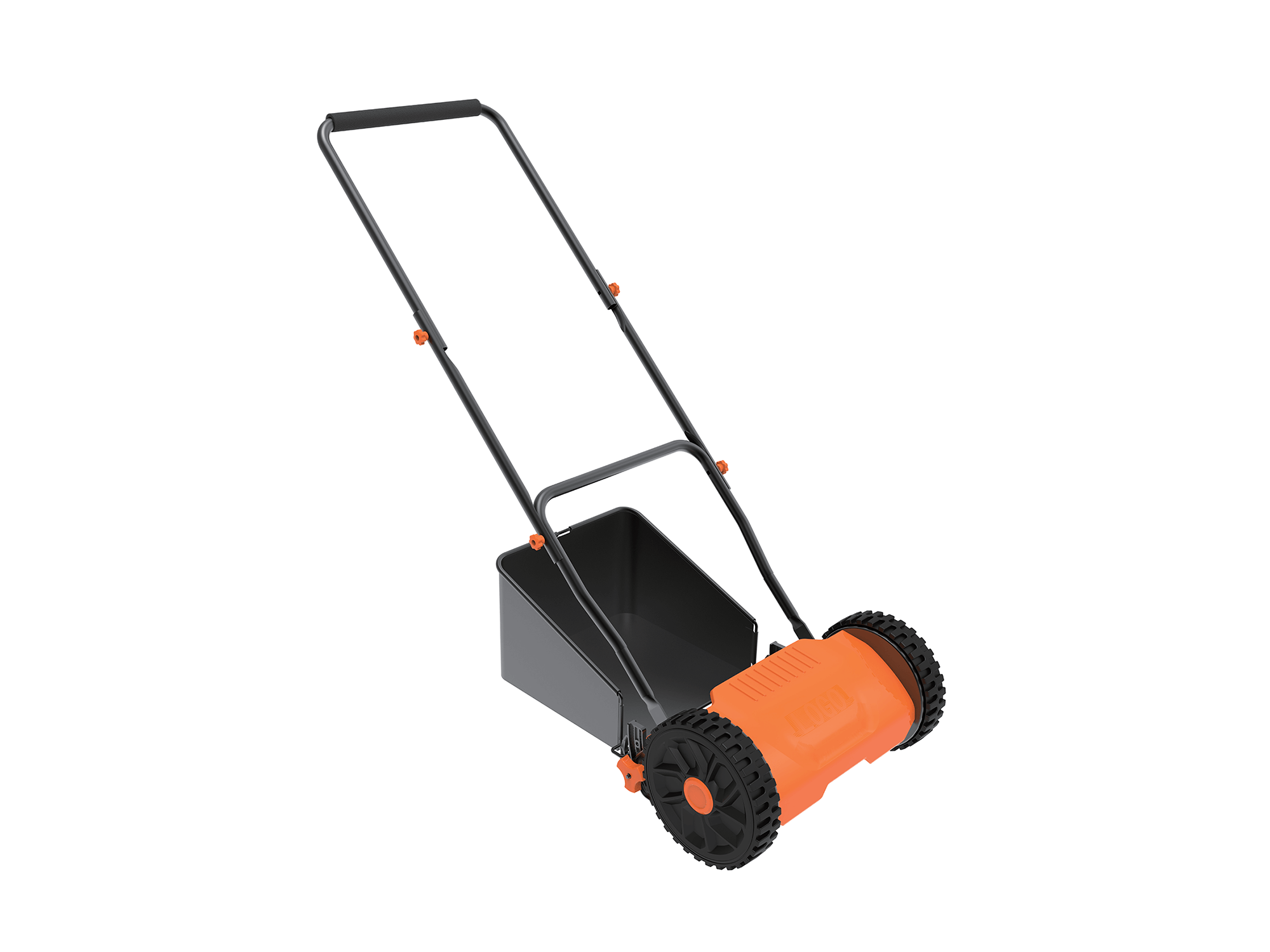
Established exporters in this category include Wisdom Mechanical in Anhui, China, a wholly-owned subsidiary of Ningbo Chuangyue Garden Tools Co., Ltd., a national-level "Little Giant" specialized and innovative enterprise. Its product range covers hedge trimmer blades, power tool blades, rose pruning shears, pruning saws, branch loppers, hedge shears, long-reach pruners, and push reel lawn mowers—useful when consolidating garden tool sourcing with one partner.
Others worth comparing in the broader garden and outdoor power equipment space include Husqvarna and STIHL, both known for OEM-grade components, as well as larger Asian contract manufacturers serving the mass retail segment. Each has different minimum order quantities and pricing structures, so match the supplier to your channel.
Export, Packaging, and Delivery Considerations
For international buyers, a few practical questions prevent delays:
Packaging. Blades are usually shipped in bulk cartons with rust-preventive coating or paper. Retail-ready packaging requires separate tooling and printing.Corrosion protection. Confirm coating type—powder coating, spray painting, or other finishes—and expected storage life.
Incoterms and lead time. Clarify FOB, CIF, or other terms, plus production lead time versus transit time.
Consistency across reorders. Ask how the supplier tracks batch traceability so reorders match the original specification.
FAQ
What steel is typically used for lawn mower blades? Most blades are made from carbon steel or boron steel, chosen for a balance of hardness and impact resistance. The grade matters less than how heat treatment is controlled, since that determines edge retention and resistance to cracking or bending during use.
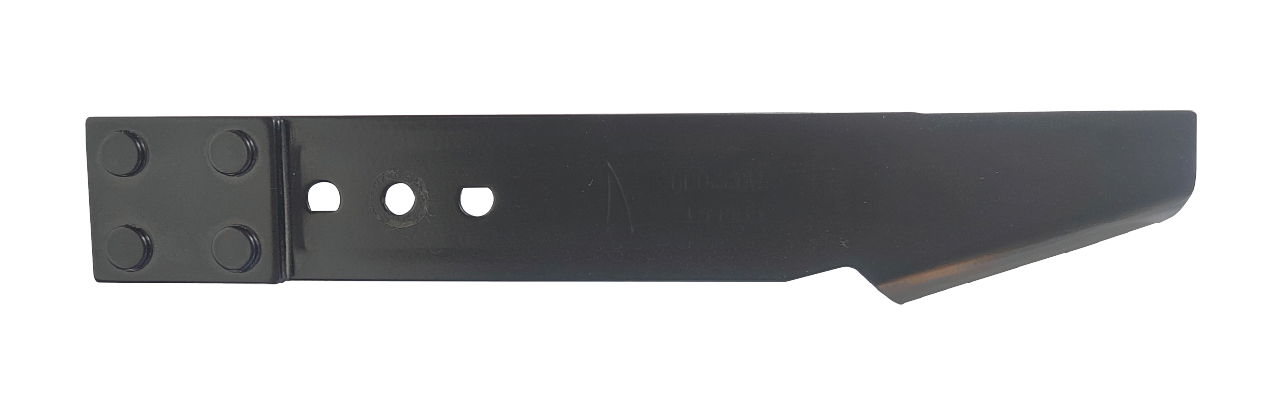
Should blades be sharpened or blackened before shipping? It depends on your market. Some buyers prefer a sharpened edge for immediate use; others specify a protective coating or finish to prevent corrosion during storage and transit. Confirm this in your specification sheet.
What is a reasonable MOQ for a trial order? MOQs vary widely. Some exporters accept lower volumes for first orders and scale up afterward, while others require container-level quantities. Discuss trial-order options openly, especially if you are testing a new supplier.
How do I verify quality before mass production? Request pre-production samples, hardness test reports, and dimensional checks against your drawing. Testing samples on the actual mower model is the most reliable way to confirm fit, balance, and cutting performance.
Conclusion
Sourcing steel lawn mower blades is a quality decision disguised as a purchasing decision. Prioritize heat treatment control, manufacturing integration, documented quality systems, and OEM flexibility over the lowest quotation. Verify samples, confirm export packaging, and check capacity against your seasonal demand. A supplier like Wisdom Mechanical that manages the full process chain can reduce coordination risk—but the right choice is the one that matches your specifications, order volume, and market requirements.