Sourcing manual pruning shears for the US market requires more than comparing unit prices. Retailers, distributors, and private-label brands need a supplier who can deliver consistent cutting performance across large orders, meet US safety and labeling expectations, and adapt products to the preferences of American gardeners, landscapers, and hardware chains. This guide explains what to evaluate before committing to a manual pruning shears supplier and how to reduce sourcing risk.
What US Buyers Look For in Manual Pruning Shears
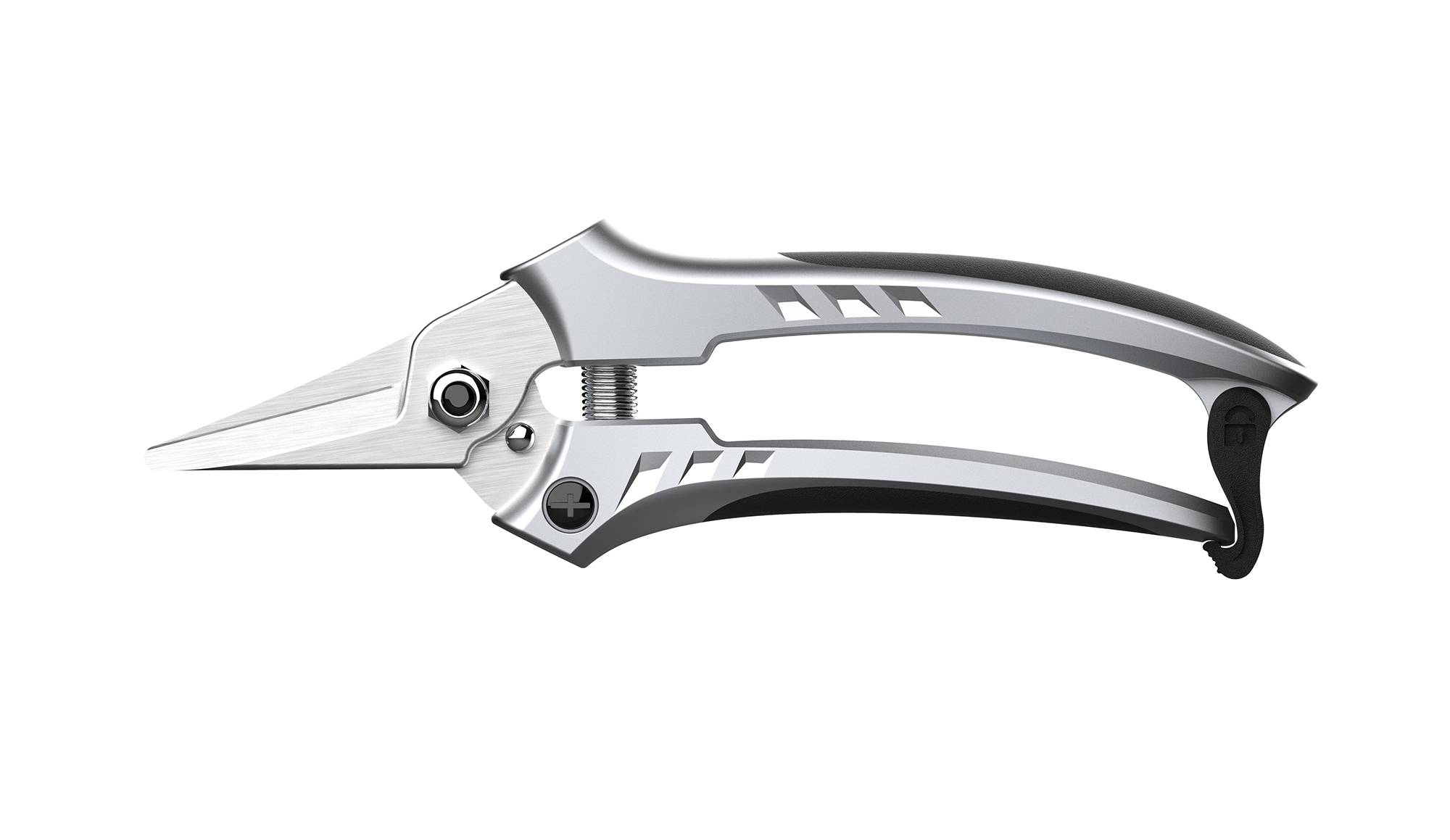
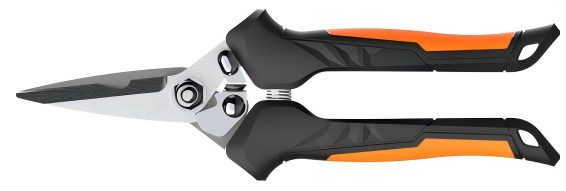
American buyers typically separate products into two broad categories: bypass pruning shears for live growth and anvil pruners for dry or woody stems. Within those categories, purchasing teams focus on cutting capacity, blade material, handle ergonomics, and locking mechanisms.
Blades are usually made from high-carbon steel, SK5 steel, or stainless steel, with hardness and edge retention determined largely by heat treatment. Handles may use aluminum, forged steel, or reinforced plastic overmolding. A supplier that controls heat treatment and grinding in-house is better positioned to keep blade hardness and edge geometry consistent from batch to batch — a factor that directly affects returns and customer reviews in the US market.
Key Factors When Evaluating a Supplier
Use these five criteria to compare quotations on equal terms:
1. Manufacturing integration. A supplier that outsources heat treatment, stamping, or coating loses control over lead times and quality. A single production chain covering material processing, heat treatment, machining, surface treatment, and assembly supports stable output during peak season.
2. Quality consistency. Ask how blade hardness, cutting force, and locking function are verified. Process control across the full production run matters more than a single sample.
3. Customization and OEM/ODM capability. US brands often need specific blade finishes, handle colors, retail packaging, and barcode labeling. Confirm the supplier can adjust specifications rather than only offering catalog items.
4. Compliance and documentation. ISO 9001 quality management, ISO 14001 environmental management, and BSCI social responsibility certification are useful indicators for buyers who must satisfy their own retailer audit requirements.
5. Delivery reliability. Confirm realistic lead times, packaging methods, and shipping terms before placing a first order.
Customization, OEM, and Private Label Options
Most US buyers do not sell generic tools. They need private-label programs with defined blade coatings, grip designs, and packaging formats such as blister cards, color boxes, or hanging cards for retail shelves.
Customization can extend to cutting capacity, spring tension, handle length, and safety lock design. The practical question is whether the supplier can hold these specifications stable across repeat orders. An OEM/ODM partner with in-house injection molding, aluminum die casting, laser cutting, and tooth grinding can adjust a design without relying on external workshops, which shortens development cycles and reduces communication gaps.
Anhui Wisdom Mechanical Technology Co., Ltd., trading as Wisdom Mechanical, manufactures rose pruning shears, hedge shears, pruning saws, and tree branch loppers alongside hedge trimmer blades and power tool components. Its integrated processes — heat treatment, laser cutting, metal stamping, tooth grinding, surface coating, and assembly — support customized garden tool programs for export customers.
Common Sourcing Mistakes to Avoid
Buying on price alone. A lower quotation often reflects thinner blade stock or simplified heat treatment, which shows up later as complaints about blade wear or looseness.
Skipping pre-production samples. Always test samples against the actual cutting tasks your customers perform, not just visual inspection.
Ignoring packaging requirements. Retail packaging affects shipping volume, damage rates, and shelf compliance. Agree on packaging specifications in writing.
Overlooking peak-season capacity. Garden tool demand in the US concentrates in spring. Confirm production capacity and booking schedules well before the season.
How to Manage Quality and Delivery Risk
Structure the relationship in stages. Start with a sample evaluation covering blade hardness, cutting smoothness, locking function, and handle durability. Then request a pre-production sample that matches the final specification, including finish and packaging.
During production, agree on inspection points and acceptable quality limits. For finished goods, confirm carton markings, barcode placement, and any retailer-specific labeling. For international shipping, clarify Incoterms, port of loading, and documentation requirements early.
Wisdom Mechanical operates from Anqing, Anhui Province, with approximately 50,000 square meters of factory space, more than 200 employees, and annual production capacity of roughly 4 million units — supported by ISO 9001, ISO 14001, ISO 45001, and BSCI certification. As a wholly-owned subsidiary of Ningbo Chuangyue Garden Tools Co., Ltd., the company combines its parent company's R&D resources with its own manufacturing system for global garden tool and power tool customers.
FAQ
What is the typical minimum order quantity for manual pruning shears? MOQs vary by model, customization level, and packaging. Standard models generally require lower volumes than fully custom private-label programs. Confirm MOQ alongside tooling, packaging plates, and lead time before budgeting.
How long should a first order take? Sampling usually takes one to three weeks depending on customization. Production timelines depend on order size, material availability, and season. Add buffer time for orders placed close to the US spring selling season.
Can suppliers produce private-label packaging? Yes, most export-oriented manufacturers offer OEM packaging such as blister cards, color boxes, and hang tags. Provide artwork, barcode data, and labeling requirements in advance so packaging can be validated with the pre-production sample.
Which certifications matter for US buyers? ISO 9001 is the baseline quality indicator. BSCI or similar social compliance audits are often requested by larger retailers. Confirm which documents your own customers require before finalizing the supplier.
Conclusion
Sourcing manual pruning shears for the US market comes down to verifying manufacturing control, quality consistency, customization capability, and delivery reliability — not just price. Buyers who evaluate heat treatment, blade grinding, packaging, and compliance early avoid costly returns and reorders. Working with an integrated manufacturer such as Wisdom Mechanical gives procurement teams a single production chain from material processing to finished inspection, which supports stable quality and predictable supply across repeat seasons.