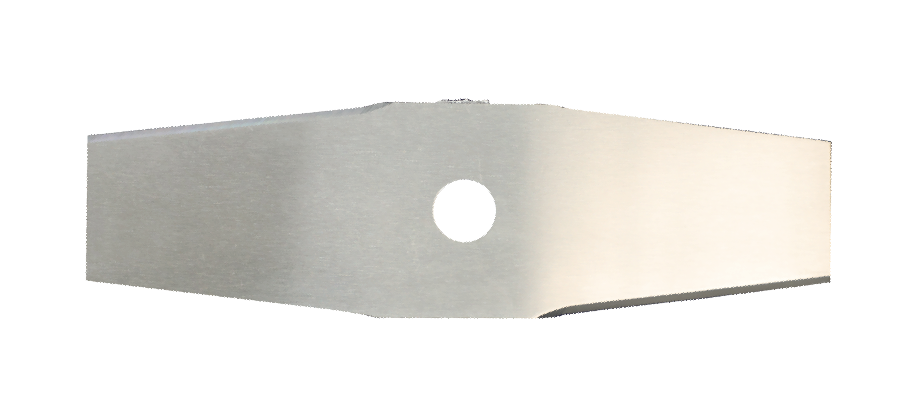
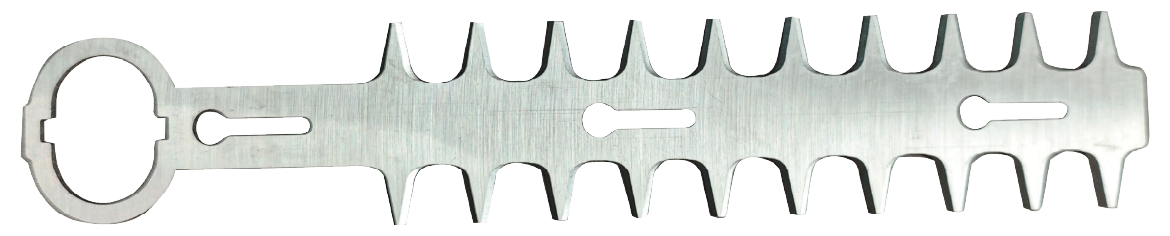
Sourcing from Hedge Trimmer Blade China Factories can be a practical option for importers, garden tool brands, distributors, and OEM buyers that need competitive manufacturing, scalable production, and custom blade specifications. However, hedge trimmer blades are not simple metal parts. Their performance depends on steel grade, heat treatment, cutting geometry, hole accuracy, surface finish, and compatibility with the final machine.
For B2B buyers, the goal is not only to find a low unit price. The better objective is to identify a factory that can consistently produce blades matching your technical drawings, quality expectations, packaging needs, and delivery schedule. This guide explains how to evaluate Chinese hedge trimmer blade suppliers and reduce procurement risk.
What B2B Buyers Usually Need from Hedge Trimmer Blade Suppliers
Most professional buyers searching for hedge trimmer blade factories are looking for one of three sourcing models: standard replacement blades, custom OEM blades, or components for finished hedge trimmer production. Each model requires a different level of supplier capability.
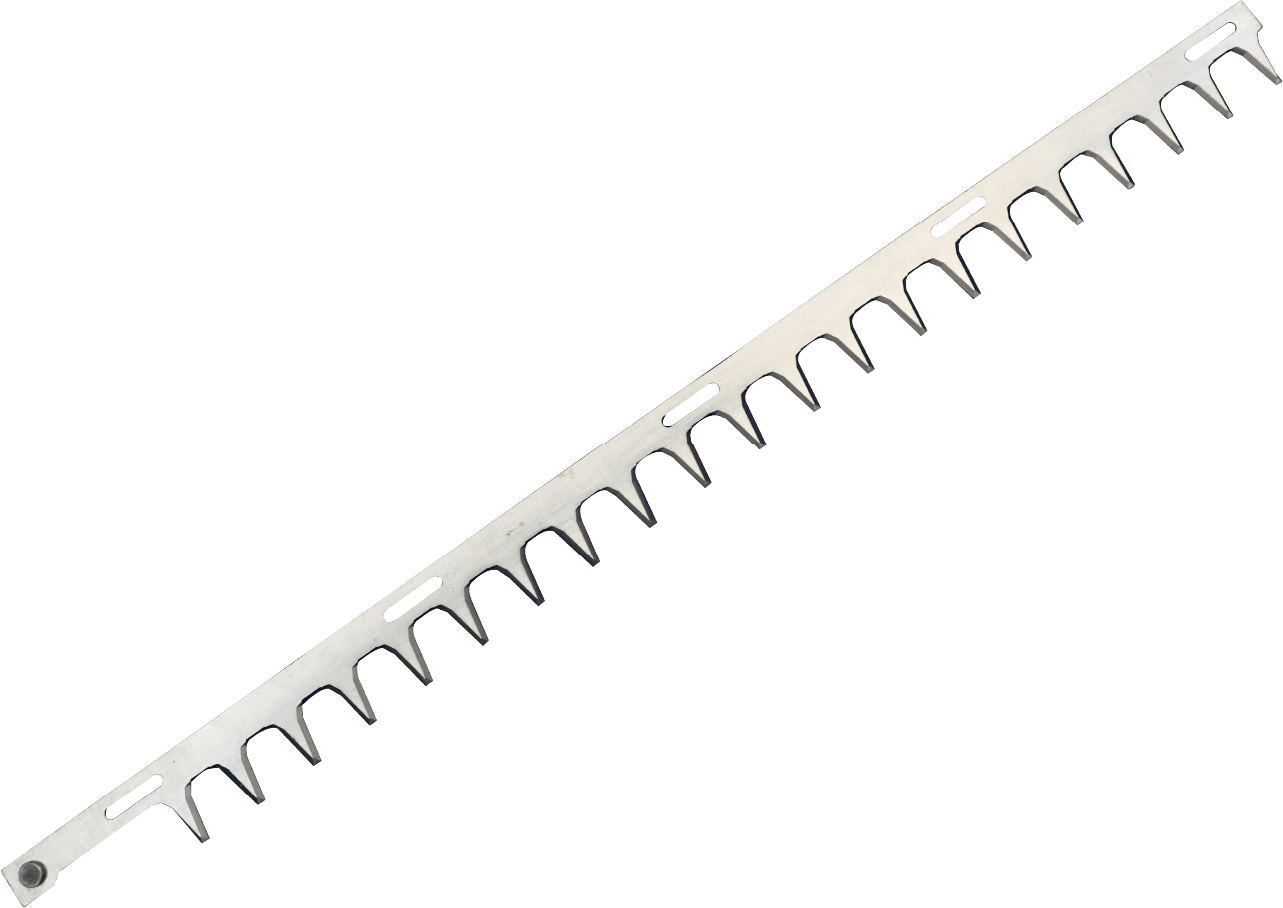
For replacement blades, the key concern is compatibility. The blade must match the machine’s mounting holes, length, tooth spacing, thickness, and movement pattern. Even a small dimensional difference can cause vibration, poor cutting, or assembly failure.
For OEM production, buyers usually need tighter control over blade design, material selection, coating, batch consistency, and packaging. The factory may need to work from drawings, samples, or 3D files.
For component sourcing, manufacturers require stable production batches that integrate smoothly with motors, gearboxes, blade guides, fasteners, and housings. In this case, communication between engineering teams is especially important.
A supplier such as Ltd can be considered as part of a sourcing shortlist if it can provide clear specifications, sample support, production capabilities, and quality control documentation that match your purchasing requirements.
How to Evaluate Hedge Trimmer Blade China Factories
When comparing Hedge Trimmer Blade China Factories, focus first on production capability rather than catalogue size. A large product list does not always mean the factory can meet your exact requirements.
Key evaluation points include:
Material capability
Common blade materials may include carbon steel, alloy steel, stainless steel, SK5, or 65Mn, depending on the application and buyer requirements. Ask what materials are available, whether material certificates can be supplied, and whether the factory can meet your required hardness range.
Heat treatment control
Heat treatment has a major impact on blade durability, flexibility, and cutting edge retention. A blade that is too soft may wear quickly, while one that is too hard may become brittle. Buyers should ask how the supplier controls hardness and whether hardness testing is performed by batch.
Precision manufacturing
Tooth profile, blade straightness, slot dimensions, and mounting hole accuracy are essential. Poor tolerances can lead to assembly problems and customer complaints. For OEM buyers, drawings should include clear tolerances for all critical dimensions.
Surface treatment options
Blades may require polishing, black oxide, nickel plating, anti-rust oil, powder coating, or other finishes. The right surface treatment depends on corrosion resistance, cutting friction, appearance, and target price.
Inspection and traceability
Reliable factories should have inspection processes for raw material, semi-finished parts, heat treatment, final dimensions, and packaging. Batch traceability is especially useful when buyers need to investigate quality issues after shipment.
Technical Specifications to Confirm Before Ordering
Before placing a production order, buyers should define blade requirements in writing. Relying only on photos or verbal descriptions creates unnecessary risk.
Important specifications include blade length, width, thickness, tooth spacing, tooth angle, cutting edge design, hole diameter, hole spacing, slot dimensions, surface finish, hardness range, and packaging method. If the blade is used as a replacement part, provide the original part number, machine model, or physical sample when available.
Buyers should also confirm whether the blade is for single-sided or double-sided hedge trimmers, electric or petrol-powered machines, cordless models, or commercial landscaping equipment. Different machines create different stress levels and cutting requirements.
For custom hedge trimmer blades, request pre-production samples before mass production. A sample approval process should include dimensional checking, assembly testing, cutting performance checks, and packaging review. If your company has internal testing standards, share them early with the supplier.
Quality Control and Sample Approval Process
Quality control should begin before production, not after goods are ready for shipment. A structured approval process helps avoid misunderstandings and reduces the chance of receiving unusable inventory.
Start by requesting drawings or confirming your own drawings with the factory. If the supplier creates the drawing from a sample, check every critical dimension before approving it. Small errors in hole spacing or blade thickness can make the final part incompatible.
Next, approve material and hardness requirements. If your product must meet a specific performance level, ask how the factory verifies heat treatment. Hardness testing, dimensional inspection, cutting checks, and visual inspection are all relevant.
For the sample stage, review both function and appearance. A blade may look acceptable but still fail during assembly or cutting. Test the sample on the target hedge trimmer model whenever possible.
Before mass shipment, buyers may arrange pre-shipment inspection. This can include random dimensional checks, carton condition review, quantity confirmation, labelling verification, and packaging strength assessment. For high-volume orders, inspection criteria should be agreed in advance.
Cost, MOQ, Lead Time, and Delivery Considerations
Price is important, but the lowest quotation may not deliver the lowest total cost. Poor material, weak packaging, inconsistent heat treatment, or inaccurate parts can create returns, rework, warranty claims, and delayed sales.
When comparing quotations from hedge trimmer blade suppliers in China, make sure each factory is quoting the same specification. Differences in steel grade, thickness, finish, packaging, and inspection level can significantly affect price.
Minimum order quantity depends on material availability, tooling needs, production setup, and packaging requirements. Standard blades may have lower MOQs, while custom blades often require higher quantities or tooling charges.
Lead time should be confirmed for sampling, tooling, mass production, inspection, and shipment. Buyers should also consider seasonal demand. Garden tool components can experience stronger demand before spring and summer selling seasons, so planning early is useful.
Clarify Incoterms such as EXW, FOB, CIF, or DDP based on your procurement model. Also confirm carton dimensions, gross weight, pallet options, and export packaging requirements. Blades are metal products with sharp edges, so secure packaging is necessary for both product protection and safe handling.
Common Mistakes When Sourcing Hedge Trimmer Blades
Many sourcing problems can be avoided by improving communication and documentation before production starts.
1. Buying only by photo
Photos cannot confirm hardness, steel grade, hole tolerance, or cutting performance. Always use drawings, samples, or detailed specification sheets.
2. Ignoring machine compatibility
A blade that looks similar may not fit or operate correctly. Confirm mounting points, movement type, tooth geometry, and blade thickness against the target hedge trimmer model.
3. Approving samples too quickly
Sample approval should include assembly and cutting tests, not only visual checks. If the blade is part of a finished product, test it with the full tool system.
4. Comparing prices without equal specifications
One factory may quote a lower price because it uses a different material, thinner steel, simpler finish, or weaker packaging. Ask suppliers to quote against the same technical standard.
Questions to Ask Before Choosing a Factory
Before confirming a supplier, prepare a concise but detailed supplier questionnaire. Useful questions include:
What blade materials can you process regularly?Can you produce according to drawings or physical samples?
What heat treatment process do you use?
What hardness range can you control?
Can you provide inspection reports for each batch?
What surface treatments are available?
What is the MOQ for standard and custom blades?
How do you package sharp metal components for export?
What is the estimated sample and mass production lead time?
Can you support OEM labelling or neutral packaging?
A factory’s answers will show how well it understands B2B procurement. Clear, technical responses are usually more useful than general claims about quality.
FAQ
What information should I provide to a hedge trimmer blade factory?
Provide drawings, samples, target machine models, material requirements, hardness range, surface finish, quantity, packaging needs, and any testing standards. If you do not have drawings, send a physical sample and ask the supplier to create a technical drawing for approval before sampling.
Are Chinese hedge trimmer blade factories suitable for OEM orders?
Many factories in China support OEM production, but capabilities vary. Buyers should verify whether the supplier can work with custom drawings, control tolerances, manage heat treatment, provide samples, and maintain consistent production quality. Always approve samples before mass production.
How can I reduce quality risks when importing hedge trimmer blades?
Use clear technical specifications, request samples, test compatibility, define inspection criteria, and arrange pre-shipment checks when necessary. It is also useful to keep batch records and communicate quality expectations before production rather than after goods are completed.
What affects the price of hedge trimmer blades?
Price depends on steel grade, blade thickness, length, tooth design, heat treatment, surface finish, tolerance requirements, packaging, order quantity, and tooling needs. When comparing quotes, make sure all suppliers are pricing the same specification to avoid misleading comparisons.
Conclusion
Sourcing from Hedge Trimmer Blade China Factories can support efficient procurement, OEM production, and replacement parts supply, but success depends on technical clarity and supplier evaluation. B2B buyers should focus on material, heat treatment, tolerances, sample testing, packaging, and delivery terms. Companies such as Ltd may be included in supplier comparisons if they can meet documented requirements. A careful sourcing process helps reduce risk and improve long-term supply stability.